Propagating Caladium 'Red Flash': Step-by-Step Guide
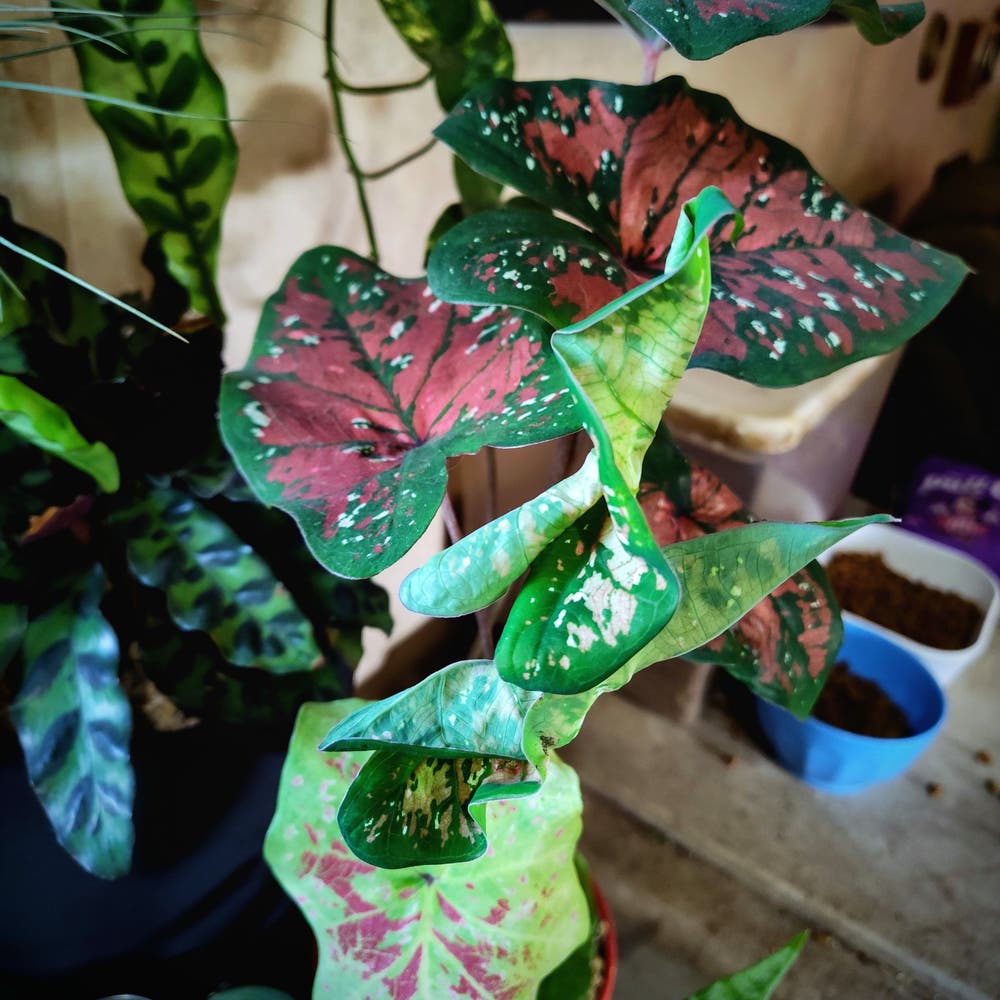
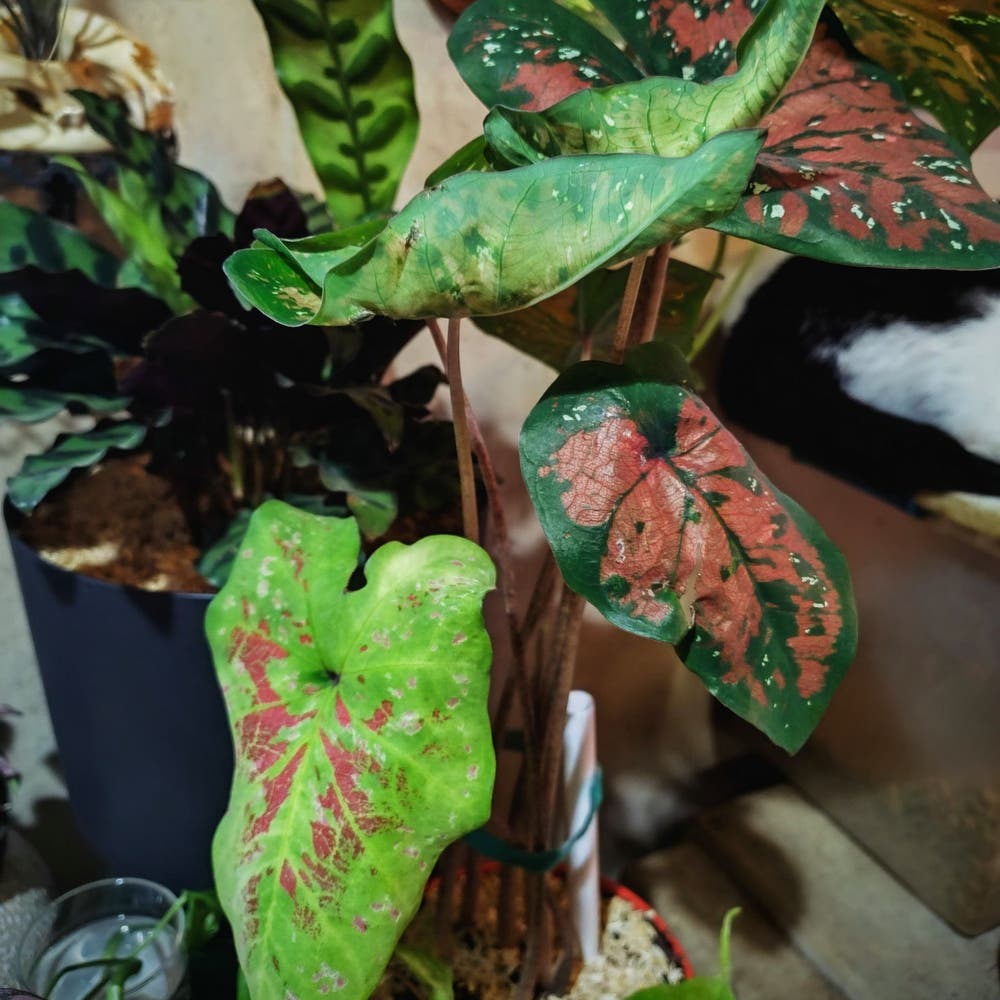
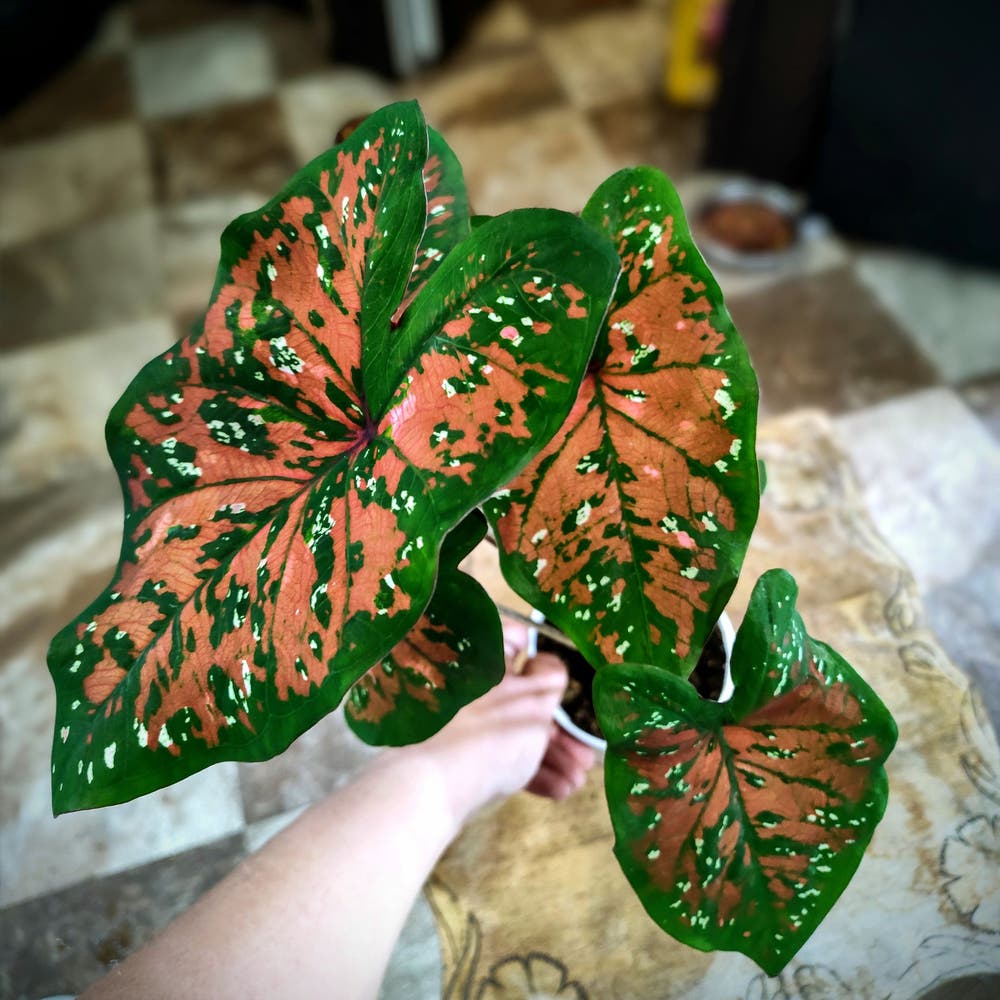
Caladium 'Red Flash'
By the Greg Editorial Team
Mar 09, 2024•5 min read
This article was created with the help of AI so we can cover more plants for you. May contain errors. See one? Report it here.
Propagate your own 'Red Flash' jungle 🌿 with this fail-proof guide to multiplying their striking beauty!
- 🌱 Spring is prime for propagation, ensuring energetic root growth.
- ✂️ Sterilize tools, prevent disease - crucial for all propagation methods.
- 💧 Consistent moisture is key post-propagation for thriving 'Red Flash'.
Preparing to Propagate 'Red Flash'
🌱 When to Propagate
Spring is your starting gun for Caladium 'Red Flash' propagation. It's when the plant is raring to go, full of energy for root development. Early summer is also a green light, with longer days acting as a cheerleader for growth. Avoid the dormant winter months; it's like trying to start a campfire in a downpour.
🛠 Tools and Materials
Sharpness is your best friend here. Grab pruning shears that could give a paper cut with a glance. Sterilize with rubbing alcohol or a bleach solution to dodge the spread of plant pathogens. You'll also need pots, soil, and a keen eye for healthy tubers or stems. Remember, the right tools don't just make life easier; they're the difference between propagation triumph and face-palming frustration.
Dividing Tubers Like a Pro
🌱 The Division Process
Caladium 'Red Flash' tubers are ready for division when they're dormant. Here's how to split them up without a hitch:
- Gently unearth the tuber, brushing off excess soil to reveal the structure.
- Look for the "eyes" or growth points—these are your targets for division.
- With a sterilized sharp knife, slice the tuber into sections, ensuring each piece has at least one eye.
- Handle with care—the tuber's neck is delicate. Avoid bending or breaking it.
🌿 Aftercare for Divided Tubers
Once divided, the tubers need some TLC. Follow these steps to get them going:
- Let each piece dry to form a protective callus over the cut surfaces.
- Plant them in individual pots with well-draining soil.
- Water thoroughly and place in a warm spot with bright, indirect light.
- Keep the soil consistently moist, but not soggy, to pamper those tender new roots.
Remember, the first few weeks are critical—monitor your tubers for signs of growth and address any issues promptly.
Stem Cuttings Simplified
🌱 Snip and Plant
To propagate Caladium 'Red Flash' via stem cuttings, select robust stems. These should be free of disease, pests, and boast a healthy set of leaves. Sterilize your scissors or pruners to prevent infection. Snip the stem just below a leaf node at a 45-degree angle—this increases the surface area for roots to emerge. Aim for a cutting length of about 4-6 inches, and strip the lower leaves to prevent rot.
🌿 Rooting Your Cuttings
For rooting, you've got two camps: Team Water and Team Soil. Water rooting offers a front-row seat to root development, while soil rooting provides a more natural transition to the plant's permanent home. If you go with soil, choose a well-draining mix and consider using rooting hormone to give your cuttings a leg-up. Whether you're rooting in water or soil, encase your cuttings in a humidity haven—a plastic bag or dome works wonders, but don't forget to let them breathe with occasional air circulation. Keep the medium consistently moist, not soggy, to avoid the dreaded rot. With patience and care, you'll soon have new Caladiums to show off.
Nurturing New Offsets
🌱 Separation Anxiety? Not Here!
When your Caladium 'Red Flash' offsets are plump enough to have their own roots, it's time to think about separation. Sterilize your tools first; you're a plant surgeon now. Gently twist or slice the offset away from the mother plant, ensuring a clean break.
🏡 Offsets' First Home
Potting your offsets is like setting them up in a studio apartment. Choose a container that fits just right and fill it with a well-draining soil mix. Indirect sunlight is their best friend, and when it comes to watering, think of it as a sip, not a gulp. Keep the soil moist but not waterlogged to prevent root rot. Watch for growth—it's the plant's high-five to your green thumb.
Post-Propagation Care and Troubleshooting
🌱 The First Few Weeks
In the initial weeks post-propagation, your 'Red Flash' Caladiums are at their most vulnerable. Consistent moisture is key; aim for damp soil that's never waterlogged. Overwatering is a rookie mistake—it's the express lane to root rot. Underwatering, on the other hand, will leave your plants high and dry. Strike that perfect hydration balance, and watch for the telltale signs of new growth.
🪚 Common Propagation Pitfalls
Dividing Tubers
When it comes to tuber division, cleanliness is next to godliness. Sterilize your tools to prevent infection. If your divided tubers are stalling, consider whether they're getting enough warmth and humidity. They're not just sitting there; they're recalibrating for their new solo careers.
Stem Cuttings
Rooting stem cuttings can feel like a waiting game. If your cuttings are more stick than sprout, check your light levels. Too much shade will have them slacking off, while too much sun can burn them out. And remember, water is a privilege, not a right—overwatering is the fast track to a mushy stem.
Offsets
Offsets are like teenagers—they need guidance but also space to grow. If they're looking a little wilted, resist the urge to helicopter-parent with water. Instead, ensure they're not drowning in your love (or overwatering). They need to toughen up their root systems, so go easy on the H2O.
Each propagation method has its quirks, but with a watchful eye and a steady hand, you'll navigate these pitfalls like a pro. Keep a log of your care routine; it's your cheat sheet for future success. Remember, propagation is a marathon, not a sprint, and patience is your best companion on this green-thumbed journey.
⚠️ Safety First
This content is for general information and may contain errors, omissions, or outdated details. It is not medical, veterinary advice, or an endorsement of therapeutic claims.
Always consult a qualified healthcare professional before using any plant as food, medicine, or supplement.
Never eat any plant (or feed one to pets) without confirming its identity with at least two trusted sources.
If you suspect poisoning, call Poison Control (800) 222-1222, the Pet Poison Helpline (800) 213-6680, or your local emergency service immediately.
Spotted an error? Please report it here.
Spring into propagation success 🌿 with Greg's custom moisture alerts, ensuring your Caladium 'Red Flash' cuttings develop roots and flourish from these expert tips!