🌞 Is Direct Sunlight Good for My Caladium 'Red Flash'?
Caladium 'Red Flash'
By the Greg Editorial Team
Mar 09, 2024•4 min read
This article was created with the help of AI so we can cover more plants for you. May contain errors. See one? Report it here.
Ensure your Caladium 'Red Flash' flourishes by mastering its ideal sunlight exposure. 🌿☀️
- Indirect light is best for Caladium 'Red Flash', not direct sunlight.
- Window direction matters: North for gentle light, South with sheer curtains.
- Seasonal adjustments keep 'Red Flash' thriving: shade in summer, possible grow light in winter.
When Sun Kisses Leaves: Direct Sunlight and 'Red Flash'
🌞 What Exactly Is Direct Sunlight?
Direct sunlight is the unfiltered solar performance, the main act on the stage of your garden or windowsill. It's the midday sun that casts a sharp shadow, the kind that can make your car's interior feel like a sauna.
🌿 Can 'Red Flash' Handle the Spotlight?
Caladium 'Red Flash' might have a dramatic name, but when it comes to basking in the sun's relentless gaze, it prefers to keep things low-key. Moderation is key; this plant enjoys a light dapple rather than a full-on solar serenade. Too much direct light and 'Red Flash' will throw in the towel, its vibrant leaves fading and crisping up in protest.
Through the Window: Sunlight's Path to Your 'Red Flash'
🌞 The Direction Dilemma: North, South, East, or West?
Windows are gatekeepers of sunlight for your Caladium 'Red Flash'. North-facing windows offer a gentle, consistent glow, ideal for these tropical beauties. South-facing windows pack a punch with intense light, a boon in the Northern Hemisphere but a potential hazard without some sheer curtains as a buffer. East-facing windows are your plant's morning coffee, serving up a soft, energizing light. Conversely, west-facing windows can be like an afternoon espresso shot, strong and potentially overwhelming.
💡 Hemisphere Highlights: Does Location Matter?
Absolutely. Your spot on the globe is a game-changer for indoor plant care. In the Northern Hemisphere, south-facing windows are your best bet for maximum brightness. Flip the script in the Southern Hemisphere, and it's the north-facing windows that become the sun's VIP lounge. Remember, while Caladium 'Red Flash' loves light, it doesn't appreciate the scorching midday sun. So, no matter your hemisphere, aim for bright, indirect light to keep those leaves vibrant and healthy.
Seasonal Sun Strategies for 'Red Flash'
🌞 Summer Blaze vs. Winter Rays
Adjusting 'Red Flash' care with the changing angle and intensity of sunlight is like playing a strategic game with Mother Nature.
☀️ Summer Care
In summer, the sun is relentless, and your 'Red Flash' can get scorched if left unprotected. Position it where it can enjoy bright, indirect light without the midday glare. Morning sunlight is gentler, so east-facing windows are your best bet. By noon, you'll want to ensure some shade is in place—think sheer curtains or a strategically placed taller plant.
❄️ Winter Strategies
Come winter, the sun's intensity wanes. Your 'Red Flash' will crave every bit of light it can get. South-facing windows become prime real estate, offering the most extended light exposure. If you're in a particularly dark space, consider a grow light to compensate for the lack of natural sunlight.
The Balancing Act: Light, Temperature, and Humidity
Crafting the perfect environment for 'Red Flash' amidst varying sunlight conditions requires a watchful eye and a willingness to adapt.
Light and Temperature
As the seasons shift, so does the temperature. Your 'Red Flash' doesn't just need the right light; it needs the right warmth too. Avoid placing it near drafty windows or heat sources that can dry it out. Aim for a consistent temperature range that mimics its tropical origins.
Humidity Matters
Indoor heating can turn your home into a desert in the winter, sapping moisture from the air. A humidifier can be a 'Red Flash' lifesaver, maintaining the humidity it loves. In summer, increased evaporation might mean stepping up your watering game to keep the soil lightly moist.
By monitoring these elements and adjusting as needed, your 'Red Flash' will remain a vibrant spectacle year-round.
Sunlight Savvy: Tips for Protecting 'Red Flash'
🕶️ Sunscreen for Plants: Safeguarding Against Too Much Sun
Sheer curtains or shade cloths are your first line of defense against the midday sun's harsh glare. They act like sunscreen, filtering out the intense rays that threaten to crisp up your 'Red Flash' leaves. If you notice signs of sunburn—yellowing or crispy edges—it's time for a quick relocation to a shadier spot.
🍃 Reading the Leaves: Signs 'Red Flash' Is Getting Just the Right Light
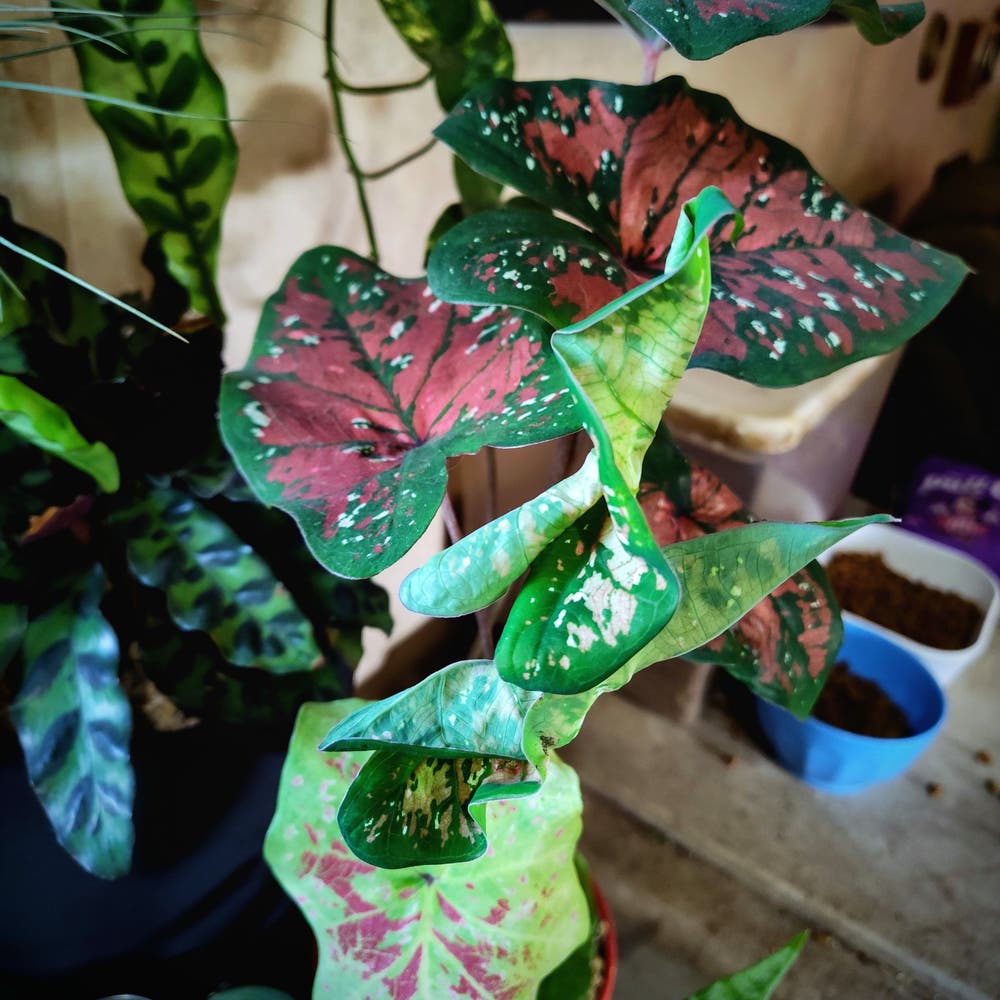
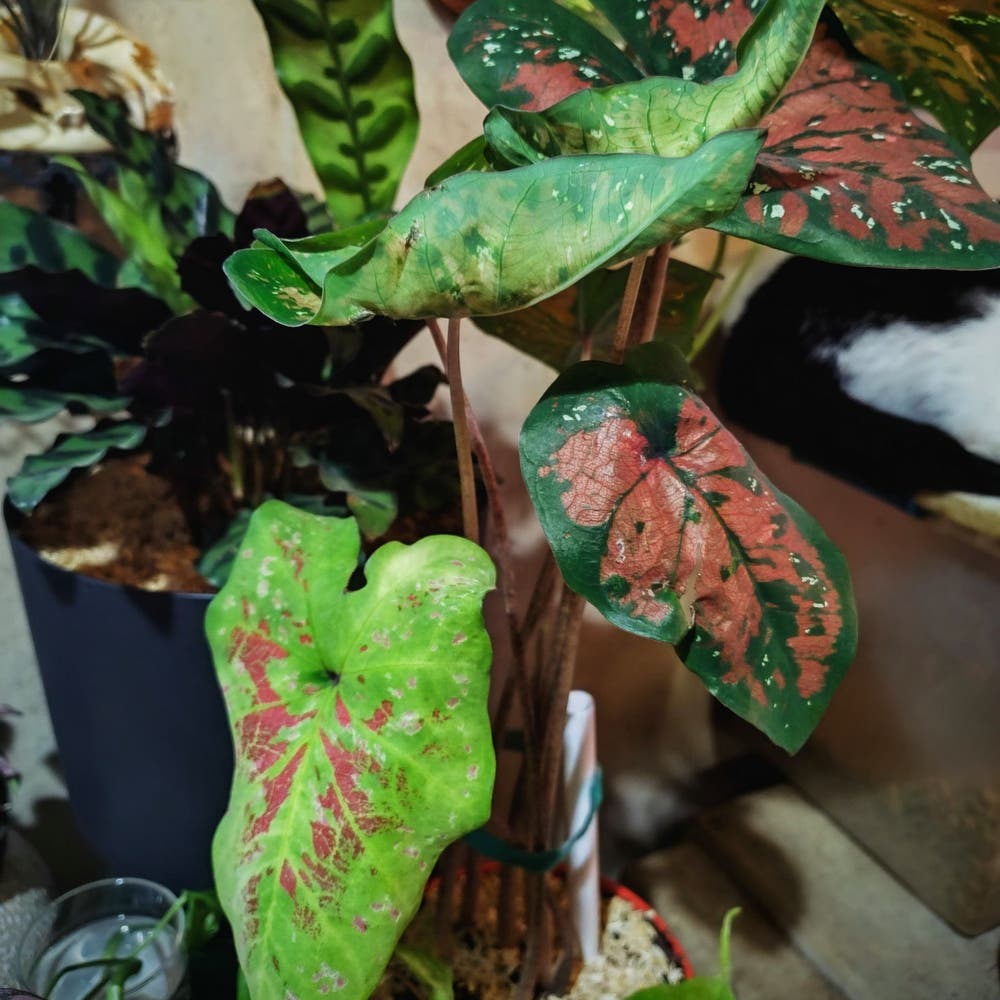
Your 'Red Flash' will tell you if it's basking in the perfect amount of sunlight. Look for leaves that are vibrant and perky, without any of the brown tips or faded colors that scream "I'm getting roasted here!" If the foliage starts to look like it's losing its luscious red, it's a cry for less light. On the flip side, if the leaves are reaching out, looking a bit pale and stretched, it's craving more light. Adjust your plant's position accordingly, and watch as it thrives in its happy light zone.
⚠️ Safety First
This content is for general information and may contain errors, omissions, or outdated details. It is not medical, veterinary advice, or an endorsement of therapeutic claims.
Always consult a qualified healthcare professional before using any plant as food, medicine, or supplement.
Never eat any plant (or feed one to pets) without confirming its identity with at least two trusted sources.
If you suspect poisoning, call Poison Control (800) 222-1222, the Pet Poison Helpline (800) 213-6680, or your local emergency service immediately.
Spotted an error? Please report it here.
Flourish your Caladium 'Red Flash' 🌞 with Greg's location-based reminders, ensuring it basks in the ideal indirect light, no matter the window direction.