🌡 What Temperature Does My Caladium 'Red Flash' Need?
Caladium 'Red Flash'
By the Greg Editorial Team
Mar 09, 2024•4 min read
This article was created with the help of AI so we can cover more plants for you. May contain errors. See one? Report it here.
Keep your Caladium 'Red Flash' vibrant and healthy by avoiding temperature-induced stress! 🌡️🍂
- 65°F to 80°F is ideal for Caladium 'Red Flash' health and growth.
- 🌡️ Watch for wilting or browning as signs of temperature distress.
- Stabilize temperature to avoid drafts and sudden changes.
Keeping Your 'Red Flash' Comfy: The Ideal Temperature Range
🌴 What 'Red Flash' Loves
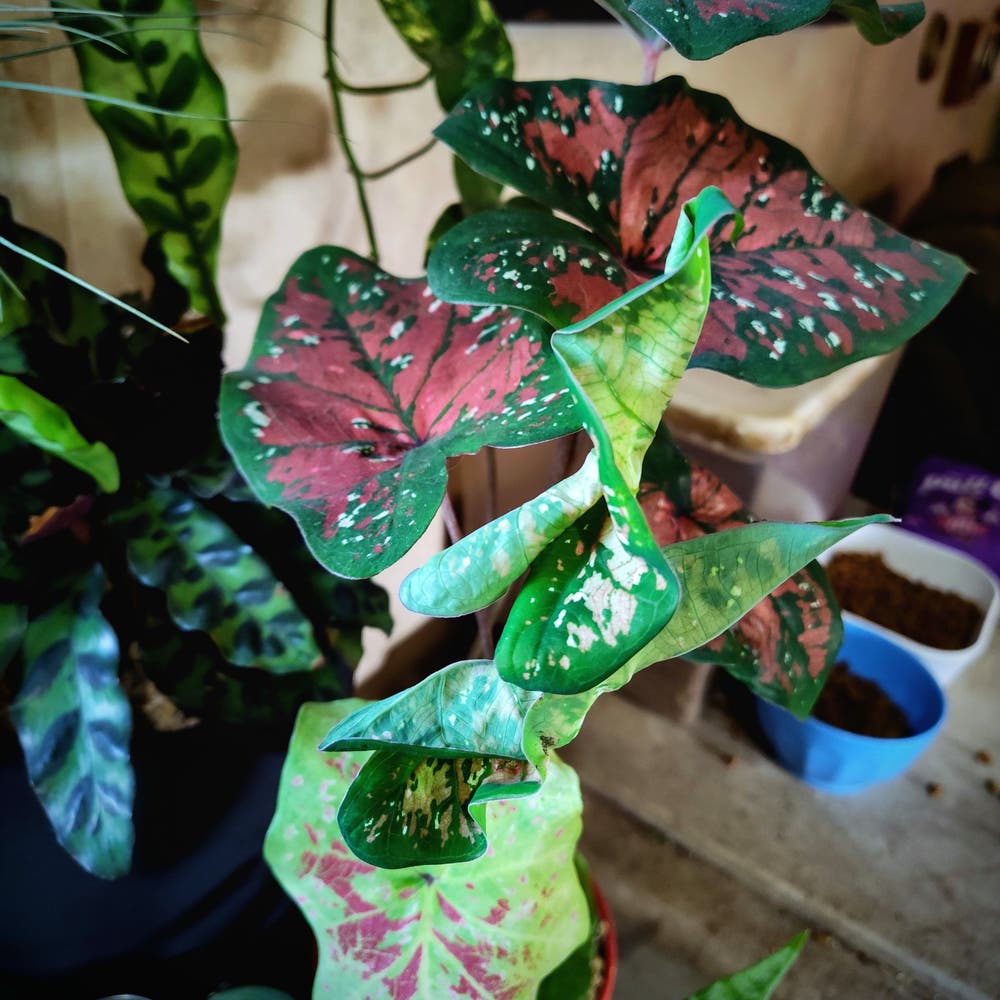
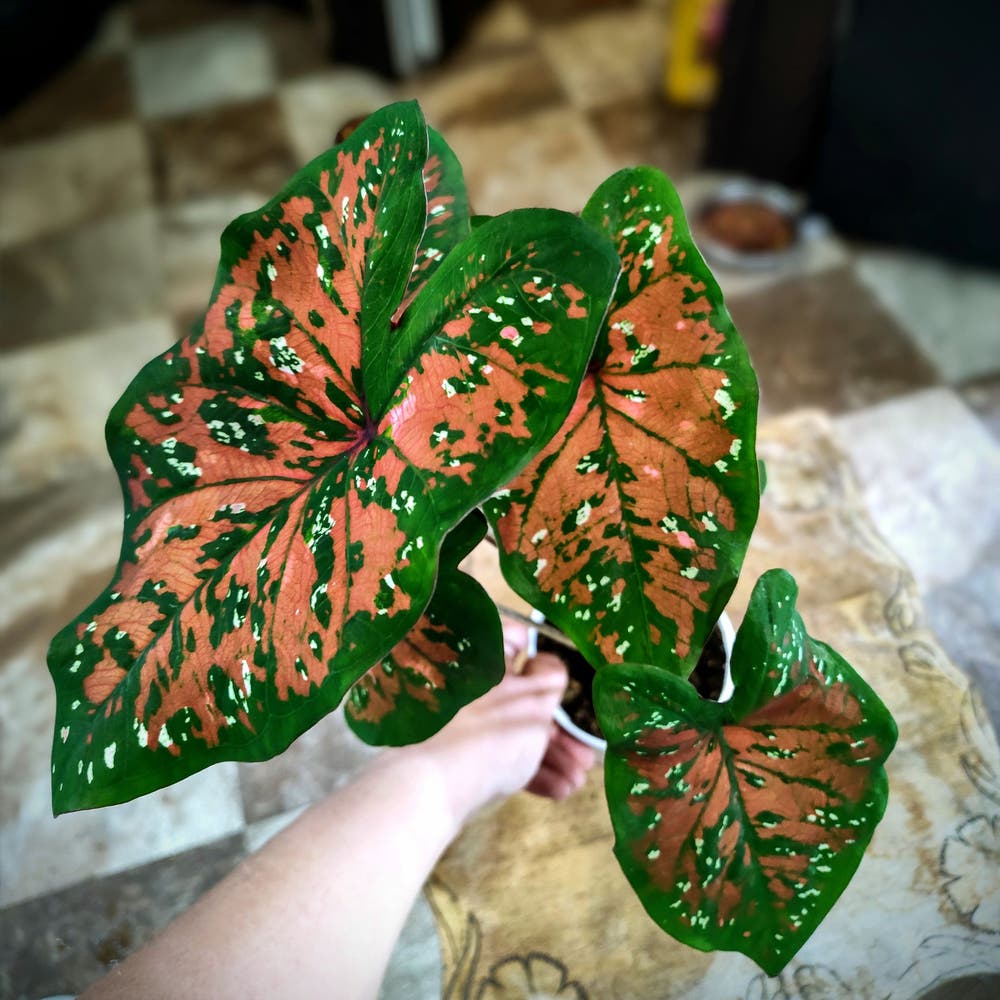
Caladium 'Red Flash' thrives in temperatures that mimic its tropical origins. The sweet spot for this vibrant plant is between 65°F to 80°F (18°C to 27°C). Within this range, 'Red Flash' can photosynthesize efficiently, ensuring lush growth and the vivid colors it's known for.
🌡️ When It's Too Hot or Too Cold
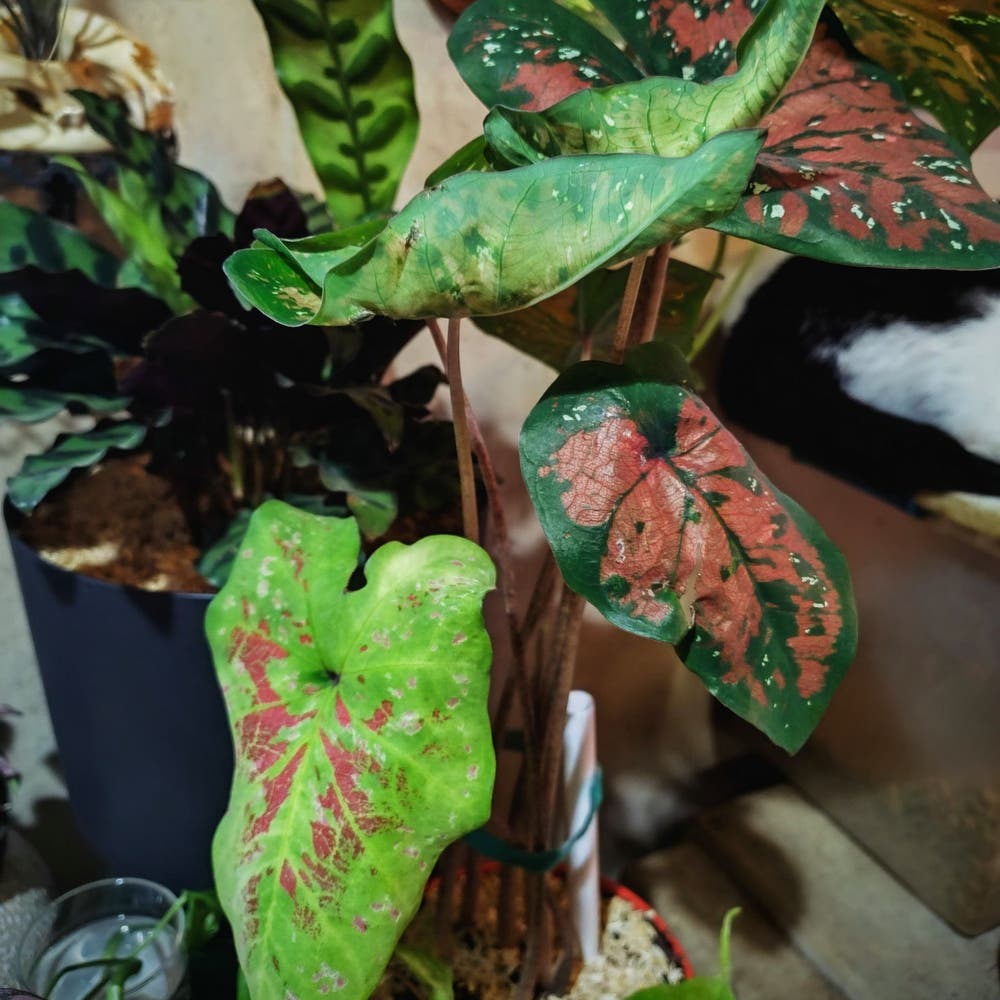
When temperatures soar above 85°F (29°C), 'Red Flash' may begin to wilt, its leaves crisping at the edges—a clear sign it's too hot. Conversely, dipping below 60°F (15°C) can slow growth and cause the plant to droop. Keep an eye out for leaf discoloration or damage, as these are visual distress signals that your 'Red Flash' is not in its happy place.
Spotting Trouble: Signs of Temperature Stress
🌡️ Visual Distress Signals
In the realm of Caladium 'Red Flash', visual cues are your first hint that the temperature is off. Wilting leaves are like a white flag, signaling surrender to the heat. When you spot leaves curling or edges turning brown, it's the plant's version of a distress flare. These are the obvious signs that your 'Red Flash' is crying out for a temperature check.
Behind the Scenes
But not all symptoms of temperature stress are so in-your-face. Some are more subtle, lurking behind the scenes. If your 'Red Flash' is experiencing stunted growth or a lack of new leaves, it's not slacking off—it's likely struggling with the temperature. Leaves that have lost their vibrant color or developed spotty patterns are also whispering for help. Keep a sharp eye out; these are the less obvious signs that your 'Red Flash' is not in its happy place, temperature-wise.
Avoiding Temperature Tantrums
🌡️ Common Culprits of Temperature Stress
Drafts and sudden temperature changes are like uninvited guests for your Caladium 'Red Flash'. They can disrupt the plant's comfort and lead to stress. Extreme temperatures, whether too hot or too cold, can be just as harmful. Indoor temperature control can become a nemesis if not managed correctly, and outdoor temperature fluctuations add another layer of complexity. Seasonal changes also demand attention; your 'Red Flash' can't just throw on a sweater or take a dip in the pool.
💡 Pro Tips for Temperature Stability
To keep your 'Red Flash' from throwing a fit, monitor temperatures closely. Think of your thermometer as a crucial social media feed, constantly checking in. Use heaters or shade to stabilize the environment as needed. It's about creating a consistent and safe space for your plant. Avoid placing your 'Red Flash' near drafty windows or heaters; these spots can be as problematic as a poorly planned party. And remember, sudden temperature changes are more shocking to your plant than a plot twist in a thriller. Keep it stable, and your 'Red Flash' will stay drama-free.
Quick Touch on Humidity
Humidity is the silent partner to temperature in the Caladium 'Red Flash' comfort dance. It's not the headline act, but it's essential for keeping your plant from throwing a fit.
💃 The Role of Humidity
Relative humidity (RH) is the diva of plant care, changing with the temperature and affecting your 'Red Flash' mood. High temperatures can turn your living room into a sauna, demanding a hike in humidity to keep your plant from a meltdown. Conversely, a temperature drop can transform the air into a moisture-sucking vacuum, leaving your 'Red Flash' gasping for hydration.
🌡 Keeping Humidity in Check
Avoid drafts and vents to maintain a stable environment. Group your plants together to create a microclimate of shared transpiration, a little plant community that's swapping moisture like good gossip.
🛠 Tools for Managing Humidity
Invest in a hygrometer; it's like having a weather station focused solely on your plant's comfort, no guesswork involved. If you're dealing with arid air, a humidifier or pebble tray can up the ante. Conversely, a dehumifier will tackle that unwanted swamp vibe. Remember, it's about subtle tweaks, not turning your living room into a tropical rainforest.
⚠️ Safety First
This content is for general information and may contain errors, omissions, or outdated details. It is not medical, veterinary advice, or an endorsement of therapeutic claims.
Always consult a qualified healthcare professional before using any plant as food, medicine, or supplement.
Never eat any plant (or feed one to pets) without confirming its identity with at least two trusted sources.
If you suspect poisoning, call Poison Control (800) 222-1222, the Pet Poison Helpline (800) 213-6680, or your local emergency service immediately.
Spotted an error? Please report it here.
Keep your Caladium 'Red Flash' radiant 🌡️ with Greg's personalized environment tracking, ensuring your plant stays within its ideal temperature and humidity sweet spot.