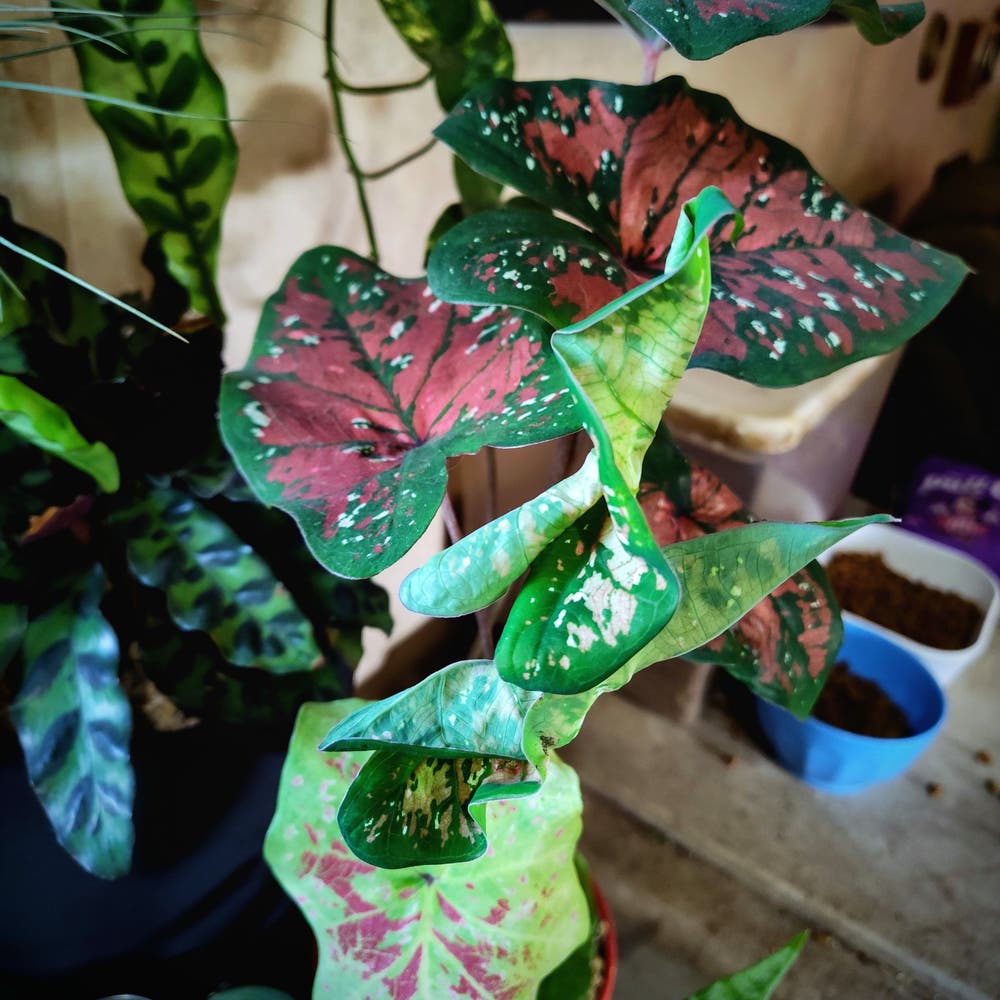
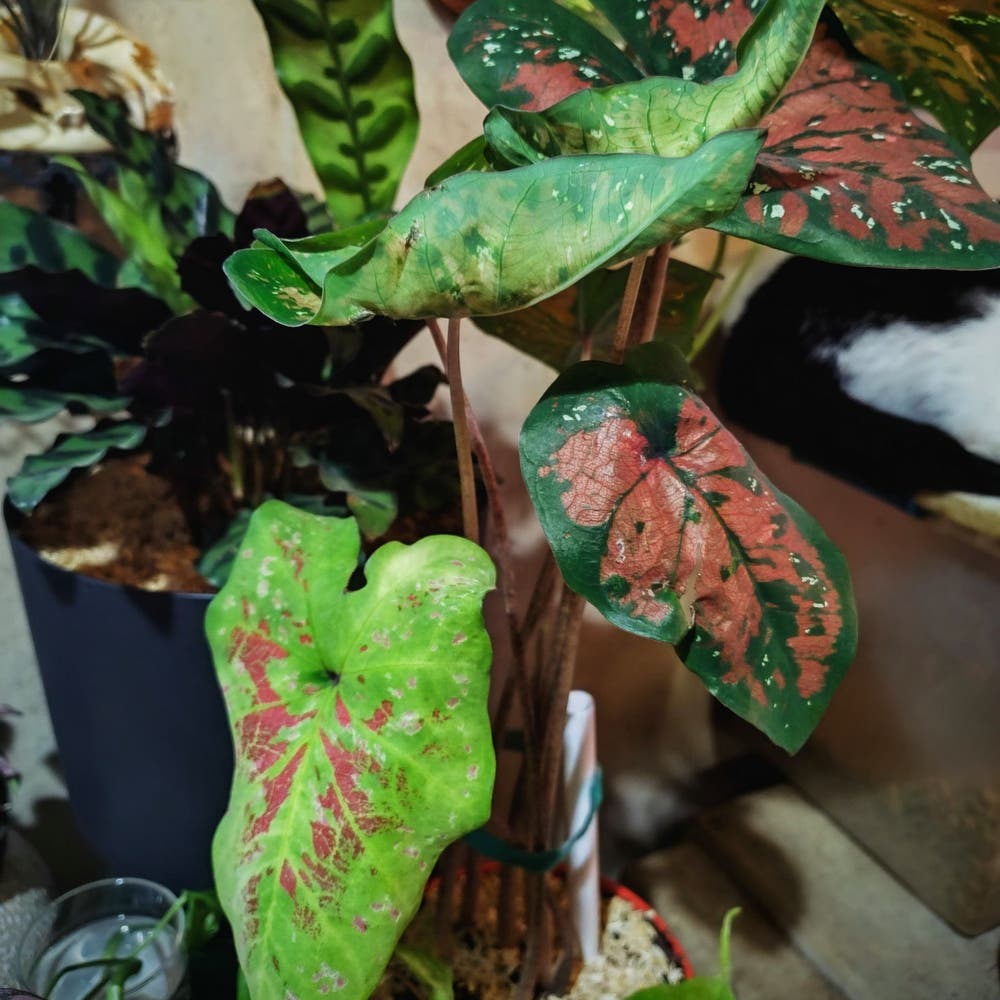
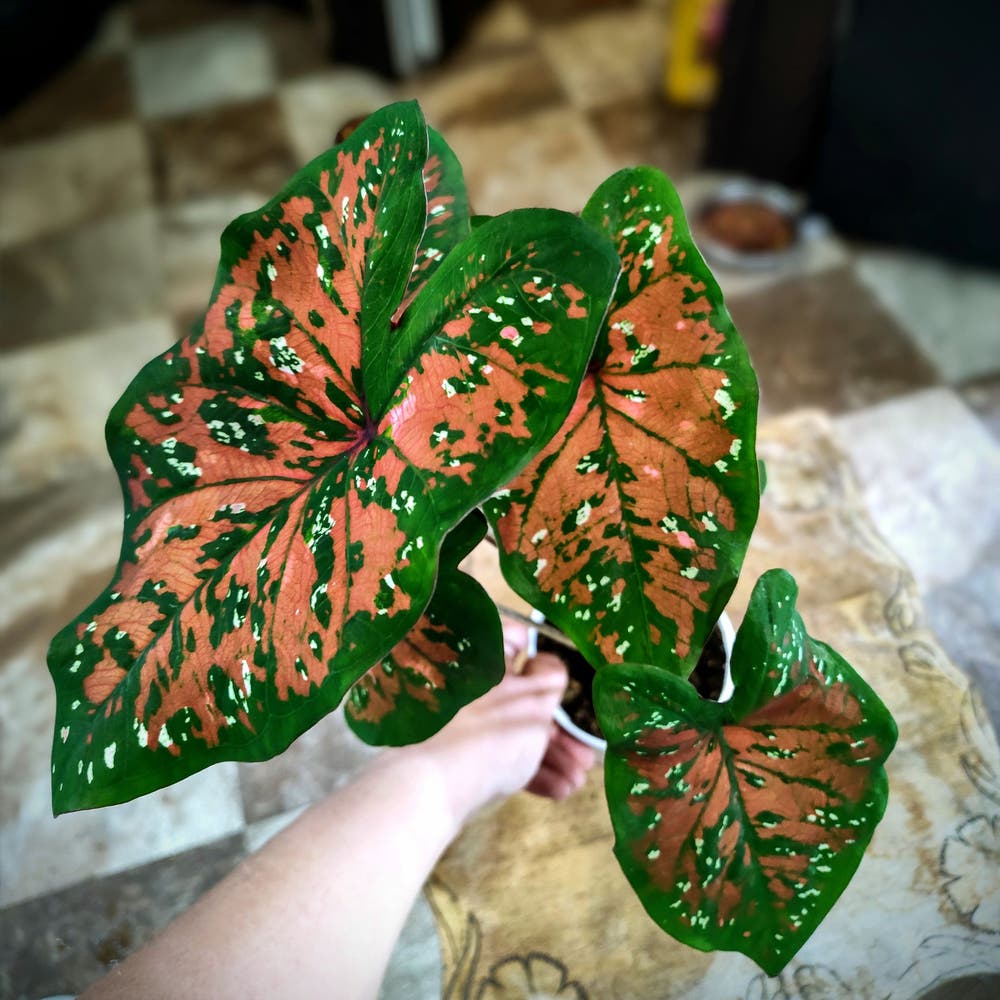
Best Potting Soil Mix for Caladium 'Red Flash'
Caladium 'Red Flash'
By the Greg Editorial Team
Mar 09, 2024•5 min read
This article was created with the help of AI so we can cover more plants for you. May contain errors. See one? Report it here.
Nurture a vibrant 'Red Flash' 🌺 with the perfect soil mix for unstoppable growth and health!
- Drainage and aeration are crucial to prevent root rot and decay.
- Nutrient-rich, slightly acidic soil (pH 5.5-6.0) promotes optimal growth.
- DIY mix with peat/coir, perlite, sand, compost ensures 'Red Flash' thrives.
Spotting Trouble in Paradise: Unhealthy Soil Signs
🌱 Telltale Signs Your 'Red Flash' Isn't Happy Below Ground
Your Caladium 'Red Flash' is a diva that demands the perfect soil stage. If it's throwing a tantrum, look for leaves that droop like a disappointed audience. This could be a sign of compacted soil—as unwelcoming as a concrete bed. Roots need room to boogie, so if growth has hit a plateau, it's time to fluff up that soil.
🍄 Mold Be Gone: Dealing with Fungal Foes in the Soil
Mold in the soil is like a bad party guest—uninvited and hogging the buffet. Spot this fungal fiend as fuzzy growths or by a musty stench. It's stealing the spotlight, and nutrients, from your 'Red Flash'. To evict this pest, scrape it off and let the soil dry out. If your mix is too clingy, throw in some perlite to loosen things up and prevent an encore performance.
🤢 When the Soil Smells Wrong: Addressing Odor Issues
If your soil smells worse than last week's leftovers, it's sending an SOS. A nasty odor is the red flag for decay, a sign that your 'Red Flash' might be living in a toxic environment. Don't let your plant suffer in silence—revive the soil with better drainage and aeration before root rot turns your vibrant foliage into a wilted mess.
The Shopping List: What to Look for in a Commercial Potting Mix
💧 Drainage is Key: Ingredients That Keep 'Red Flash' Feet Dry
When hunting for the ideal commercial potting mix for your Caladium 'Red Flash', drainage should top your list. Perlite, pumice, or coarse sand are your allies here, ensuring that water flows freely and roots don't stew in moisture. A mix that feels light in your hands is a good sign; it indicates that the mix won't compact easily, allowing those delicate roots to breathe and preventing the dreaded root rot.
🍽️ Nutrient Nirvana: Ensuring Your Soil is Packed with Goodies
Next up, your 'Red Flash' will crave a nutrient-rich environment. Organic matter is the buffet it's looking for, with ingredients like peat moss or compost providing a smorgasbord of nutrients. However, don't be fooled by the "organic" label alone; it's not a silver bullet. Your plant's health hinges on a balanced diet, so ensure the mix is fortified with the right stuff—limestone for pH balance and beneficial microbes are like the probiotics for your plant's gut.
🌡️ pH Perfection: Finding the Sweet Spot for 'Red Flash'
Finally, pH levels can make or break your 'Red Flash' experience. Aim for a slightly acidic to neutral pH, somewhere between 5.5 and 6.0. This is the comfort zone where your Caladium can absorb nutrients effectively. If the mix doesn't boast about its pH level, it's like a restaurant not listing its star dish—it's probably not worth your time. Remember, the right pH is like the perfect pitch in music; it's essential for harmony in your plant's world.
Crafting the Perfect Home for 'Red Flash': DIY Soil Mix
🌱 The Base Camp: Starting with Peat Moss or Coconut Coir
Creating the ideal soil mix for Caladium 'Red Flash' begins with a solid foundation. Peat moss or coconut coir serve as the base, ensuring moisture retention while preventing waterlogging. Both materials are excellent for maintaining a balance, with coconut coir offering a more sustainable option and peat moss being widely available.
💨 Airy Additions: Perlite and Sand for Breathable Bliss
Perlite is the non-negotiable ingredient for aeration. Think of it as the lungs of your soil mix, allowing roots to breathe and preventing compaction. Coarse sand also plays a role in this airy ensemble, enhancing drainage and reducing the risk of root rot. A mix that's too dense is a no-go; your 'Red Flash' demands room to grow.
🌿 Compost Cocktail: Mixing in Nutrients for a Thriving 'Red Flash'
Lastly, compost is the secret sauce in your soil mix recipe. It's chock-full of nutrients, acting like a slow-release fertilizer that keeps 'Red Flash' thriving. Don't skimp on this step; a nutrient-starved Caladium is a sad sight. Mix thoroughly to avoid hot spots of concentrated compost that could burn delicate roots. Adjust the ratios based on your plant's feedback and the specific conditions of your home.
Keeping the Good Times Rolling: Maintaining Healthy Soil
💧 Water Wisely: Preventing Waterlogging and Root Rot
Overwatering is the fast track to unhappy 'Red Flash' roots. Caladiums like their soil like their martinis – moist but not waterlogged. Stick your finger in the soil; if it's soggy, hold off on the H2O. Root rot sneaks in when you're too generous with the watering can.
🌬 A Breath of Fresh Air: Ensuring Proper Aeration and Drainage
Your 'Red Flash' craves oxygen as much as water. Aerate the soil by gently fluffing it up now and then to prevent compaction. Ensure the pot has drainage holes that aren't playing hide-and-seek with the dirt. No one likes a clogged drain, least of all your plant.
🕰 Regular Check-ups: Monitoring Soil Health Over Time
Monthly check-ins with your soil are non-negotiable. Like a quick pulse check, they tell you if your 'Red Flash' is thriving or just surviving. Feel for texture and moisture, and keep an eye out for any unwelcome critters. Topdress with compost or worm castings annually to keep the nutrient party going. Remember, it's easier to prevent a problem than to treat one, so keep that soil in check.
⚠️ Safety First
This content is for general information and may contain errors, omissions, or outdated details. It is not medical, veterinary advice, or an endorsement of therapeutic claims.
Always consult a qualified healthcare professional before using any plant as food, medicine, or supplement.
Never eat any plant (or feed one to pets) without confirming its identity with at least two trusted sources.
If you suspect poisoning, call Poison Control (800) 222-1222, the Pet Poison Helpline (800) 213-6680, or your local emergency service immediately.
Spotted an error? Please report it here.
Keep your Caladium 'Red Flash' flourishing with the ideal soil mix and rely on Greg's tailored reminders 📅 to aerate and enrich the soil, ensuring your plant's vibrant vitality.