When and Where Should I Trim My Caladium 'Red Flash'?
Caladium 'Red Flash'
By the Greg Editorial Team
Mar 09, 2024•4 min read
This article was created with the help of AI so we can cover more plants for you. May contain errors. See one? Report it here.
Trim your 'Red Flash' at the right time 🌿 for a lush, eye-catching spectacle that lasts!
- Spring pruning prepares for new growth; avoid winter as it's dormancy time.
- Trim leggy stems, overcrowded areas, and remove damaged leaves for better health.
- Use precise tools and techniques; post-pruning, water lightly and provide indirect light.
Best Season for Pruning Your 'Red Flash'
🌱 Signs It's Time to Prune
Overgrowth and leaves that have seen better days are your 'Red Flash's way of waving a white flag. It's time to bring out the shears. The dormancy period is like a do-not-disturb sign; respect it. Active growth, however, is your plant's way of saying, "Let's get to work!"
🌷 Seasonal Pruning Tips
Spring is the season of new beginnings for your 'Red Flash'. It's the ideal time to prune, as the plant is gearing up for a season of growth. Summer can work too, but it's like running a marathon; the plant's already in full swing. Fall pruning? Only if you must—it's like prepping for hibernation. And winter—just forget about it. That's the plant's time to chill.
Pinpointing the Prune Zones
🌱 Focus Areas for Trimming
Leggy stems and overcrowded areas are prime candidates for pruning on your Caladium 'Red Flash'. These are not just aesthetic concerns; they can impact the plant's overall health. When stems stretch too far, they're telling you they crave more light. By cutting them back, you encourage a fuller, bushier growth pattern.
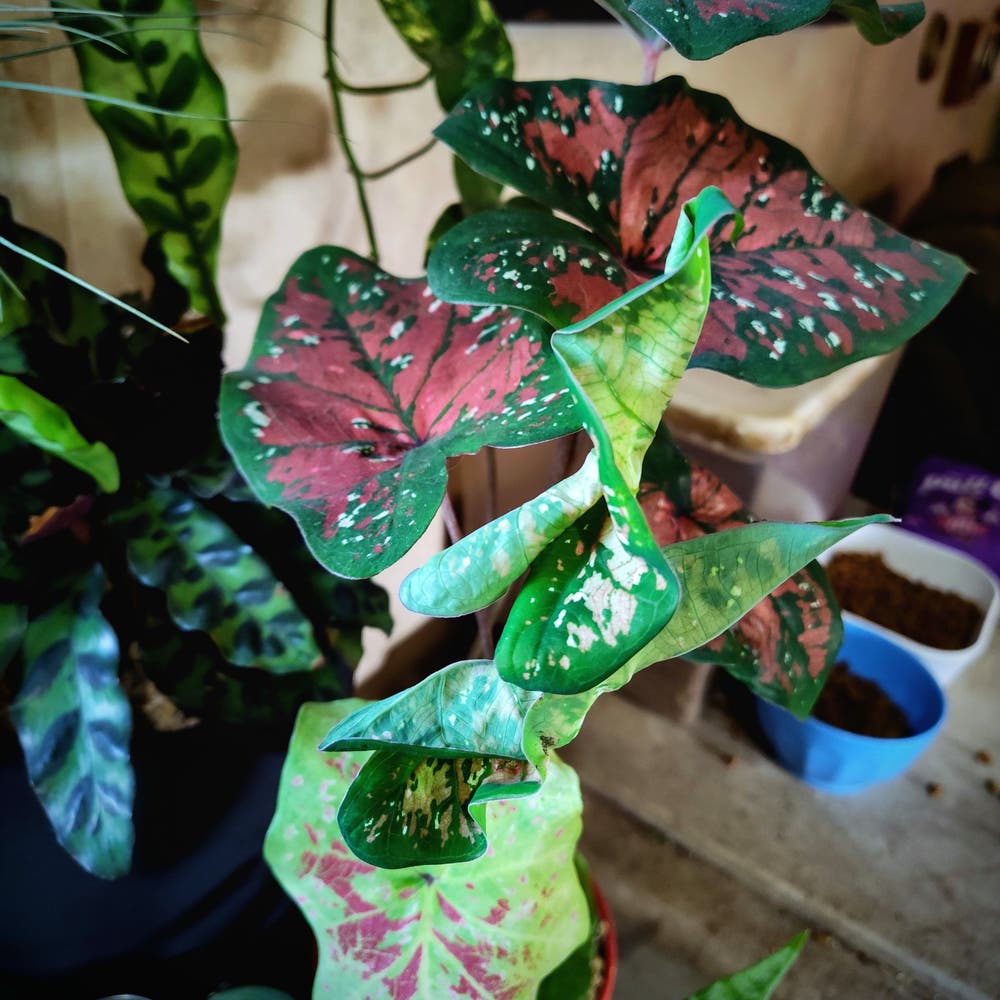
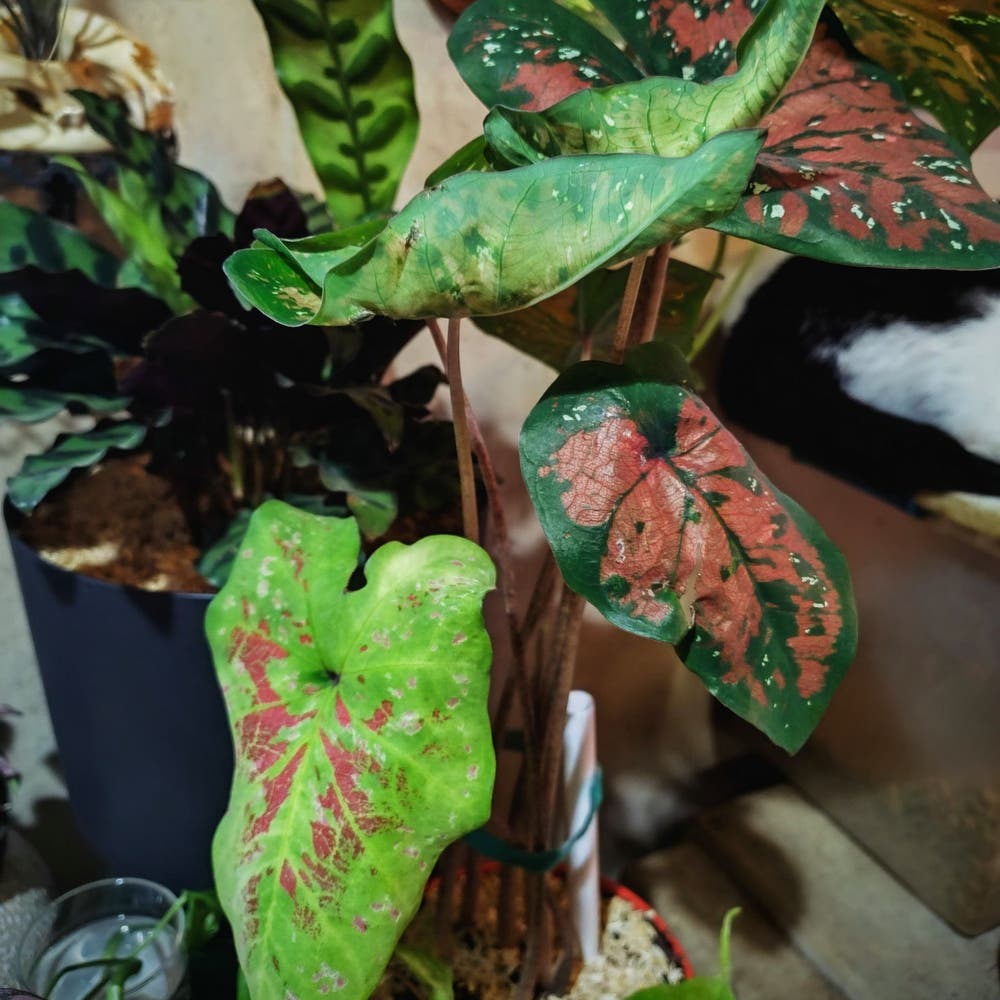
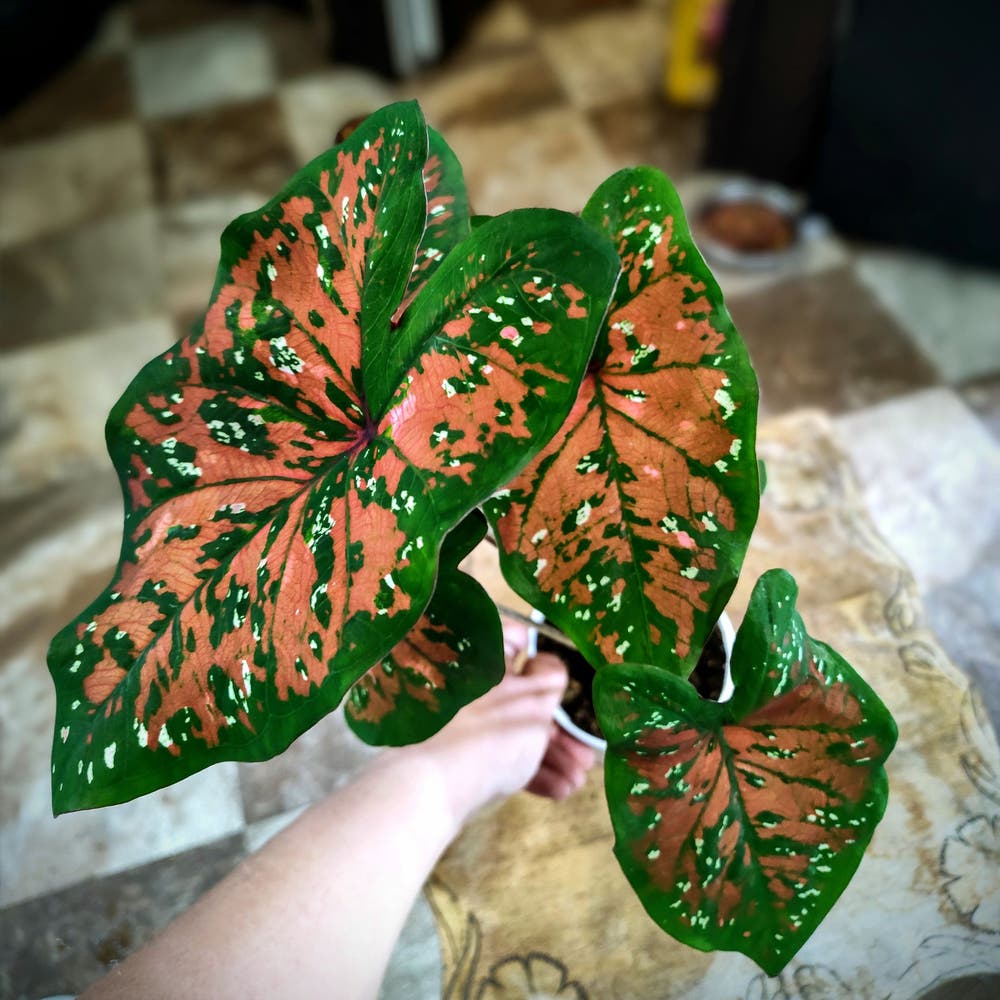
Deciding which leaves to keep and which to bid farewell is like editing a verbose draft. You want to keep the prose that adds value and trim the fluff. Keep the vibrant, healthy leaves that showcase the plant's natural beauty and remove any that are yellowing, wilted, or damaged.
🚫 Avoiding Common Mistakes
To avoid common pruning pitfalls, never cut into the main stem or the bulb of the plant; this can cause irreparable damage. Always cut above a leaf node to promote new growth. And remember, your plant isn't in a race to regrow. Give it time to recover and resist the urge to over-prune.
Areas to avoid cutting are just as important as the ones you target. Don't get snip-happy near the base of the plant, and avoid removing more than one-third of the foliage at a time. This isn't a sprint; it's a marathon. Your plant needs stamina to recover, not a shock to the system.
Pruning Techniques Tailored for 'Red Flash'
🌿 Tools of the Trade
Pruning your Caladium 'Red Flash' is like surgery for plants; precision is paramount. Bypass pruners are the scalpel you need—sharp enough to slice, not crush, those delicate stems. Keep them sterilized; think surgeon-clean to fend off any nasty bacteria looking for a plant to infect.
📏 Step-by-Step Pruning Guide
- Inspect your 'Red Flash' for dead or damaged leaves—these are your first targets.
- Sanitize your tools with rubbing alcohol or a bleach solution; cleanliness is non-negotiable.
- Snip the unwanted leaves at their base, making a clean cut without tearing.
- Cut above a node or a leaf axil to encourage new growth; think of it as directing traffic—this way, please!
- Thin out dense areas to let light and air mingle among the leaves, promoting better health.
- Step back after each cut; over-pruning can stress your plant more than a caffeine-deprived barista on Monday morning.
- Dispose of the cuttings, unless you're planning on propagating—don't let them loiter and invite disease.
- Admire your handiwork; a well-pruned 'Red Flash' is a sight to behold, like a masterpiece fresh off the easel.
After the Snip: Caring for Your 'Red Flash'
💧 Immediate Post-Pruning Care
After pruning your Caladium 'Red Flash', watering should be done with a light hand. The soil should feel like a wrung-out sponge—moist but not soggy. This is not the time for a flood; it's about providing just enough to support recovery without drowning the roots in enthusiasm.
Bright, indirect light is the equivalent of a cozy blanket for your 'Red Flash'. It's comforting without being overbearing, allowing the plant to recover without the added stress of direct sunlight beating down on its freshly pruned areas.
🌡️ Long-Term Pruning Aftercare
In the weeks following the trim, your 'Red Flash' will need a stable environment—think consistent temperatures and humidity. It's like maintaining a steady rhythm in a song, ensuring the plant doesn't have to deal with any unexpected high notes or bass drops.
Fertilization should be approached with a less-is-more philosophy. A gentle boost of nutrients can be beneficial, but overdoing it is like forcing an all-you-can-eat buffet on someone who's just had their wisdom teeth out—not the best idea.
Keep a watchful eye on your plant, ready to adjust care routines as needed. Signs of distress, such as discoloration or wilting, should prompt immediate action. It's about being responsive and attentive, ensuring your 'Red Flash' doesn't just survive the snip but thrives in its aftermath.
⚠️ Safety First
This content is for general information and may contain errors, omissions, or outdated details. It is not medical, veterinary advice, or an endorsement of therapeutic claims.
Always consult a qualified healthcare professional before using any plant as food, medicine, or supplement.
Never eat any plant (or feed one to pets) without confirming its identity with at least two trusted sources.
If you suspect poisoning, call Poison Control (800) 222-1222, the Pet Poison Helpline (800) 213-6680, or your local emergency service immediately.
Spotted an error? Please report it here.
Ensure your Caladium 'Red Flash' is pruned perfectly 🌿 with Greg's timely reminders, helping you snip at just the right time for a healthier, more vibrant plant.