Palmer's Beehive Cactus
Also known as
Cactus
Taxonomy

Coryphantha palmeri
Coryphantha
Cactaceae
Caryophyllales

How to care for Palmer's Beehive Cactus
How often to water your Palmer's Beehive Cactus

every 12
Palmer's Beehive Cactus needs 0.5 cups of water every 12 when it doesn’t get direct sunlight and is potted in a 5" pot.
Use our water calculator to personalize watering recommendations to your environment or download Greg for more advanced recommendations for all of your plants.
Water 0.5 cups every
12
Finding light for Palmer's Beehive Cactus in your home

a window
Palmer's Beehive Cactus love being close to bright, sunny windows 😎.
Place it less than 1ft from a south-facing window to maximize the potential for growth.
Palmer's Beehive Cactus does not tolerate low-light 🚫.
Select your region to see how the current weather in your area affects the placement of Palmer's Beehive Cactus in your home 🏡.
How to fertilize Palmer's Beehive Cactus

Most potting soils come with ample nutrients which plants use to produce new growth.
By the time your plant has depleted the nutrients in its soil it’s likely grown enough to need a larger pot anyway.
To replenish this plant's nutrients, repot your Palmer's Beehive Cactus after it doubles in size or once a year—whichever comes first.
-
How often should I repot my catci, they are in the same pot because the store put them together like that, should i separate them or keep them together, should I repot them now, or later! Thank you everyone, im not really great at keeping plants alive, so this app will be super helpful hopefully #happyplants#
-
Omggghhhggg 😍🏵️ #cactusclique #flower #bloomingsuccs #happyplants
-
How do i propagate these?
-
Help im new to being a plant momma Can anyone tells me what is wrong with my cactus? There are areas in it that look dry.
-
Is this my cactus prop rooting? 🥹 I'm so excited for her! #happyplants #plantsmakepeoplehappy
-
How do I propagate a cactus pup? My sister and I found a Rhinoceros cactus with a pup and plucked it off-- it wasn't too firmly on there, but it didn't just fall off either. Will it propagate? I already have it sitting in dry soil. #propagationstation #cactusclique
-
How to take care of my lovely😃💕,, I'm a biggner 🌚✨ #CoryphanthaElephantidens


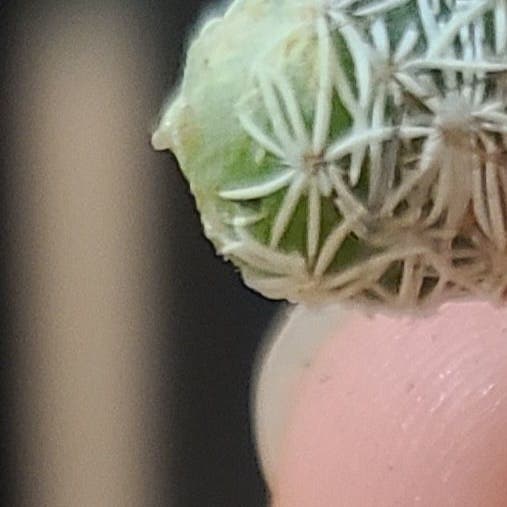
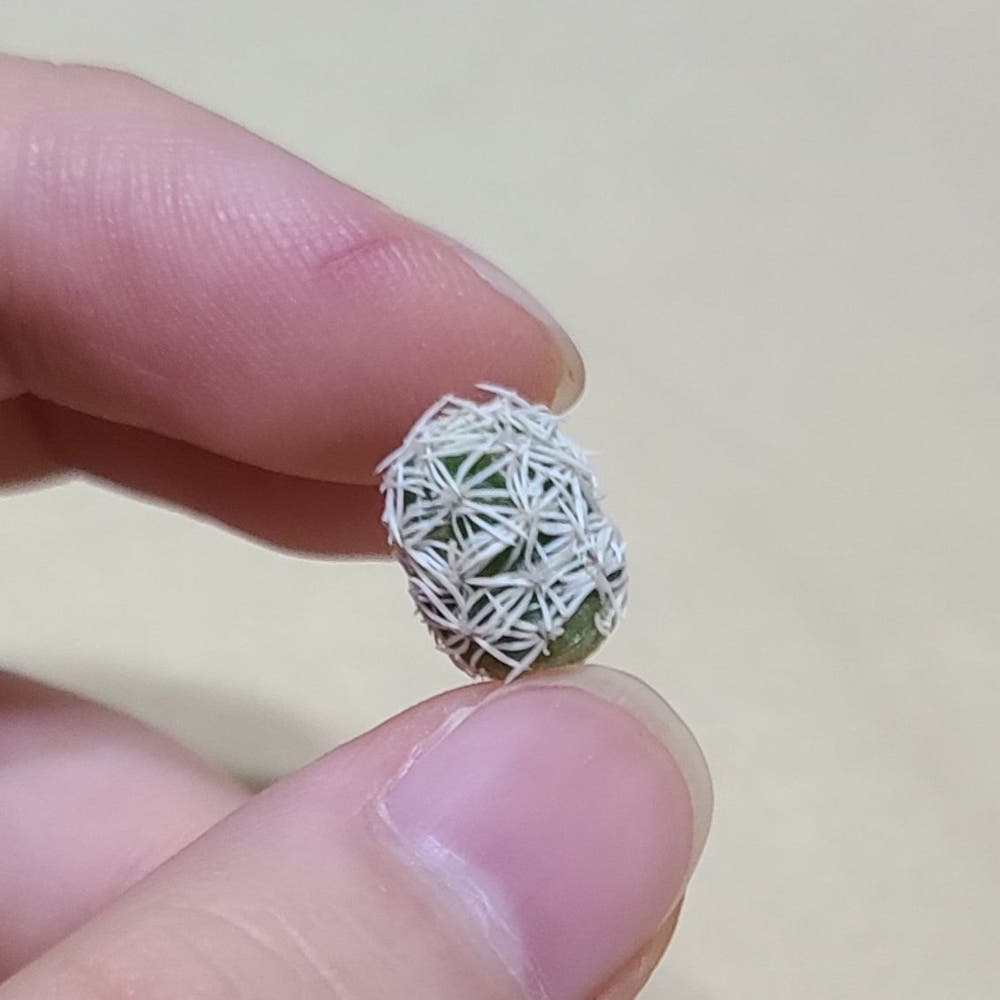
Care Summary for Palmer's Beehive Cactus

Palmer's Beehive Cactus
 Greg recommends:
 Water
Water
0.5 cups every 12 days
 Placement
< 1ft from a window
 Nutrients
Repot after 2x growth
Based on the 4” pot your plant is in, and that it doesn’t get direct sunlight.
 Trending in your area











 Similar to Palmer's Beehive Cactus
✨ Discover rare plants

Munstead Lavender

Maroon Pitcher Plant

Aglaonema Spitfire

Blue Moon Wisteria

Chinese Evergreen 'Go…

Philodendron 'Glorius'

Cereus peruvianus 'Pa…

Vatricania guentheri

Fernleaf Lavendar
White Apple Moth Orch…

Chandelier Plant
Rosularia platyphylla

Carolina Reaper

Begonia hydrocotylifo…
Linnaei Kunth
Philodendron 'Gabby'

Phalaenopsis schiller…