💧 Why Are My Philodendron Pedatum Leaves Mushy?
Philodendron pedatum
By the Greg Editorial Team
Jun 18, 2024•3 min read
This article was created with the help of AI so we can cover more plants for you. May contain errors. See one? Report it here.
Stop mushy leaves in their tracks 🛑 and revive your Philodendron Pedatum for thriving greenery! 🌿
- Overwatering leads to mushy leaves, yellowing, and brown tips.
- 🚨 Root rot and fungi cause mushiness; look for foul odor and leaf spots.
- 💧🌱 Proper watering, soil, and environment prevent and treat mushiness.
Pinpointing the Culprits Behind Mushy Leaves
💦 Overwatering and Its Telltale Signs
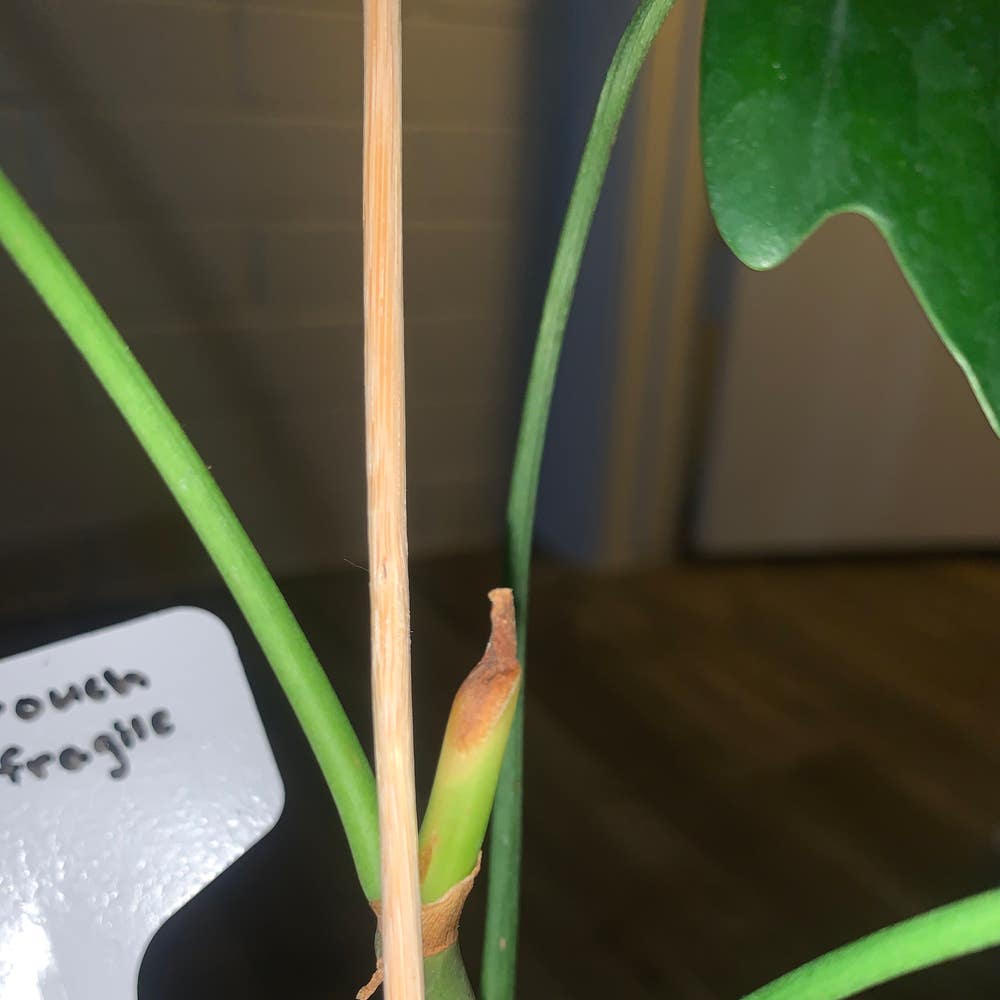
Yellowing leaves that fall off without a fight? Brown tips? These are the SOS signals of overwatering. Your Philodendron Pedatum's leaves turning to mush is like a plant's version of waterlogged bread—unappealing and avoidable.
- Soggy soil days after watering? Too much H2O.
- Leaves limper than a wet noodle? Dial back the water.
🕵️ Root Rot: A Silent Assassin
When the roots of your Philodendron Pedatum feel like they've been through a blender, it's root rot. This silent assassin turns a healthy root system into a brown, mushy graveyard.
- Foul odor? Suspect root rot.
- Roots as black as the night sky? It's time for a rescue mission.
🍄 Fungal Foes and Mushy Leaves
Fungi are like unwanted party crashers, thriving in the damp and turning leaves into mushy messes. Brown spots with a yellow halo? That's the fungi's calling card.
- Powdery mildew or leaf spots? Uninvited fungal guests.
- Soil surface looking like a moldy bread? Too much moisture party.

Turning the Tide on Mushy Leaves
🚰 Rescuing Overwatered Philodendron Pedatum
Overwatering is like an uninvited guest at a Philodendron Pedatum party—it needs to be shown the door, pronto. If your plant's soil feels like a wet sponge, ease up on the hydration. Let the soil dry out before you even think about giving it another drink. If the leaves are limp, they're not throwing a tantrum for more water; they're drowning. Cut back on the watering and watch for signs of recovery.
🌱 Root Rot Rehab
When root rot waltzes in, it's not just the roots that suffer; it's a full-blown mush-fest. Unpot your plant with care, and give those roots a good once-over. Healthy roots look like they're ready for a workout—firm and white. Rotten ones? They're slacking off, soft and brown. Snip the slackers and repot in fresh, well-draining soil. Consider a fungicide treatment as a backup dancer to help your plant get its groove back.
🍄 Fungal Infection First Aid
Fungi are like bad roommates for your Philodendron Pedatum—messy and hard to get rid of. If you spot a fungal infection, it's time to play doctor. Remove affected leaves with precision, and apply a fungicide with the enthusiasm of a five-star general. Prevention is your best defense; keep an eye out for early signs of fungal gatecrashers and maintain a clean, dry environment to keep them from settling in.

Mush-Proofing Your Philodendron Pedatum
🚰 Mastering the Art of Watering
Watering your Philodendron Pedatum is not rocket science, but it does require a bit of finesse. Establish a foolproof watering schedule by checking the topsoil; if it's dry to the touch, it's time to hydrate. Use tools like moisture meters for precision, or trust the old-school finger test. Remember, less is often more.
🍽️ Soil and Drainage Dynamics
Choosing the right soil mix is crucial. Mix two parts potting soil with one part perlite or coarse sand for that perfect drainage dance. Throw in some peat moss to keep the pH happy, and a sprinkle of pine bark fines for that airy touch. As for the pot, make sure it's got drainage holes to avoid creating an accidental swamp.
🌞 Crafting the Ideal Environment
Humidity and airflow are your secret weapons against mushy leaves. Aim for that sweet spot where the air isn't too stale but the humidity doesn't turn your plant corner into a tropical rainforest. And don't forget about temperature; keep it consistent to avoid shocking your green buddy into a mushy mess.

⚠️ Safety First
This content is for general information and may contain errors, omissions, or outdated details. It is not medical, veterinary advice, or an endorsement of therapeutic claims.
Always consult a qualified healthcare professional before using any plant as food, medicine, or supplement.
Never eat any plant (or feed one to pets) without confirming its identity with at least two trusted sources.
If you suspect poisoning, call Poison Control (800) 222-1222, the Pet Poison Helpline (800) 213-6680, or your local emergency service immediately.
Spotted an error? Please report it here.
Avoid the mushy leaf graveyard in your Philodendron Pedatum by letting Greg craft a personalized watering plan 🌱 that considers your home's unique environment.