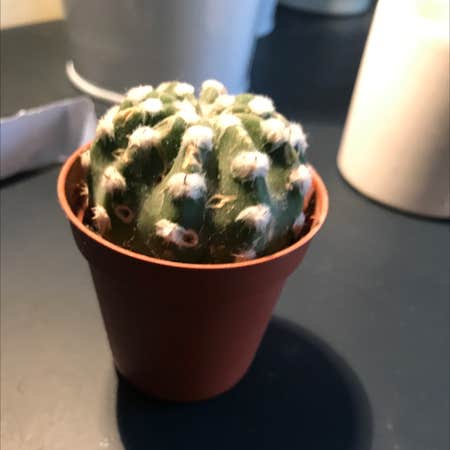


Peyote

4.6 out of 5 (10 experiences)
 Survivor
 Blooms easily
About Peyote
Small, hemispherical, spineless, fleshy cactus with the low rounded sections bearing a tuft of yellow-white hairs at the summit grows in gravelly clay and loam soils on gentle slopes. It is illegal in most of the western world.
Taxonomy

Lophophora williamsii
Lophophora
Cactaceae
Caryophyllales
Also known as
Peyōtl

How to care for Peyote
How often to water your Peyote

every 12
Peyote needs 0.5 cups of water every 12 when it doesn’t get direct sunlight and is potted in a 5" pot.
Use our water calculator to personalize watering recommendations to your environment or download Greg for more advanced recommendations for all of your plants.

Water 0.5 cups every
12
Finding light for Peyote in your home

a window
Peyote love being close to bright, sunny windows 😎.
Place it less than 1ft from a south-facing window to maximize the potential for growth.
Peyote does not tolerate low-light 🚫.
Select your region to see how the current weather in your area affects the placement of Peyote in your home 🏡.
How to fertilize Peyote

Most potting soils come with ample nutrients which plants use to produce new growth.
By the time your plant has depleted the nutrients in its soil it’s likely grown enough to need a larger pot anyway.
To replenish this plant's nutrients, repot your Peyote after it doubles in size or once a year—whichever comes first.
-
#Lophophora #CactusClique Una amiga tiene esta Lophophora W. Cómo por una semana atrás. Creo que su prima le dio un paquete con ella y luego my amiga olvidó🙄su cajita de cartón antes de su viaje. Me avisó donde estaba y que cuidara de ella pues significa mucho para ella. Apenas unos días la planté y hoy le di su primer riego. Y noté que en el centro tiene un fruto :o 🌶️
-
August 2024 to December 2024 #CactusClique
-
How's my plant look #Peyote
-
Can someone tell me what cactus is it? #Peyote
-
I came home from a few days out of town to this beautiful flower. #PlantsMakePeopleHappy #HappyPlants #PlantAddict #NewGrowth #SucculentLove #Peyote
-
getting a #Peyote soon any advice?
-
#peyote graft is mean mugging lol his ape face is so cute haha
-
Advice on this guy? Is he okay? How do we plump him? Get him more vibrant? A while ago my boyfriend put keys on him and that’s how he got the ugly bruising / scars around the top. Any advice would be appreciated (: #Peyote #CactusClique #SucculentSquad #SucculentLove #PlantAddict #HappyPlants #PlantsMakePeopleHappy #NewGrowth
-
New to peyotes #Peyote Hey guys, I got a peyote yesterday, any advice?
-
Does anyone grow #peyote #cacti? #sanpedrocactus #sanpedro #cactusclique I understand it's illegal to consume, but it's definitely on my #wishlist!


Care Summary for Peyote

Peyote
 Greg recommends:
 Water
Water
0.5 cups every 12 days
 Placement
< 1ft from a window
 Nutrients
Repot after 2x growth
Based on the 4” pot your plant is in, and that it doesn’t get direct sunlight.
What other plant parents say
Survivor 7
Blooms easily 3


 12/04/2021
I have three lophophoras and they got eaten a by a rat, but they survived, they all still look really good.
Survivor

 05/27/2021
Grafting Peyote onto cacti like Trichocereus Pachanoi, T. Bridgessii, T, Peruvianus, T. Macrogonus, etc will speed up your growth rate by YEARS!! Also good to water from beneath!!
Blooms easily
Survivor

 Trending in your area

















 Similar to Peyote
✨ Discover rare plants
White Apple Moth Orch…

Betel

Tillandsia caerulea A…

Kilimanjaro Plant

Electric Fern

Variegated Arrowhead …

Chinese Evergreen 'Go…
Rosularia platyphylla

Euphorbia

Philodendron 'Silver …

Anastasia Weeping Fig

Large Leaf Elephant B…

Eden Climbing Rose

Aglaonema Spitfire

Hoya crassipetiolata

Crassula 'Calico Kitt…

Raphionacme flanaganii