📜 Papyrus Is Not an Annual
Cyperus papyrus
By the Greg Editorial Team
Sep 30, 2024•6 min read
This article was created with the help of AI so we can cover more plants for you. May contain errors. See one? Report it here.
- 🌱 Papyrus is a perennial, thriving year-round, unlike true annuals.
- 🌞 It grows up to 15 feet tall, capturing sunlight and enhancing garden aesthetics.
- 💧 Requires consistent moisture and sunlight for optimal growth in wetland areas.
Papyrus as a Perennial
🧬 Genetic Characteristics
Papyrus, scientifically known as Cyperus papyrus, is classified as a perennial plant. Its genetic makeup equips it with adaptations that ensure long-term survival, allowing it to thrive in various environments.
These adaptations include a robust structure that can withstand environmental changes. This resilience is crucial for enduring the challenges posed by fluctuating climates and water levels.
🌱 Physiological Traits Supporting Perennial Growth
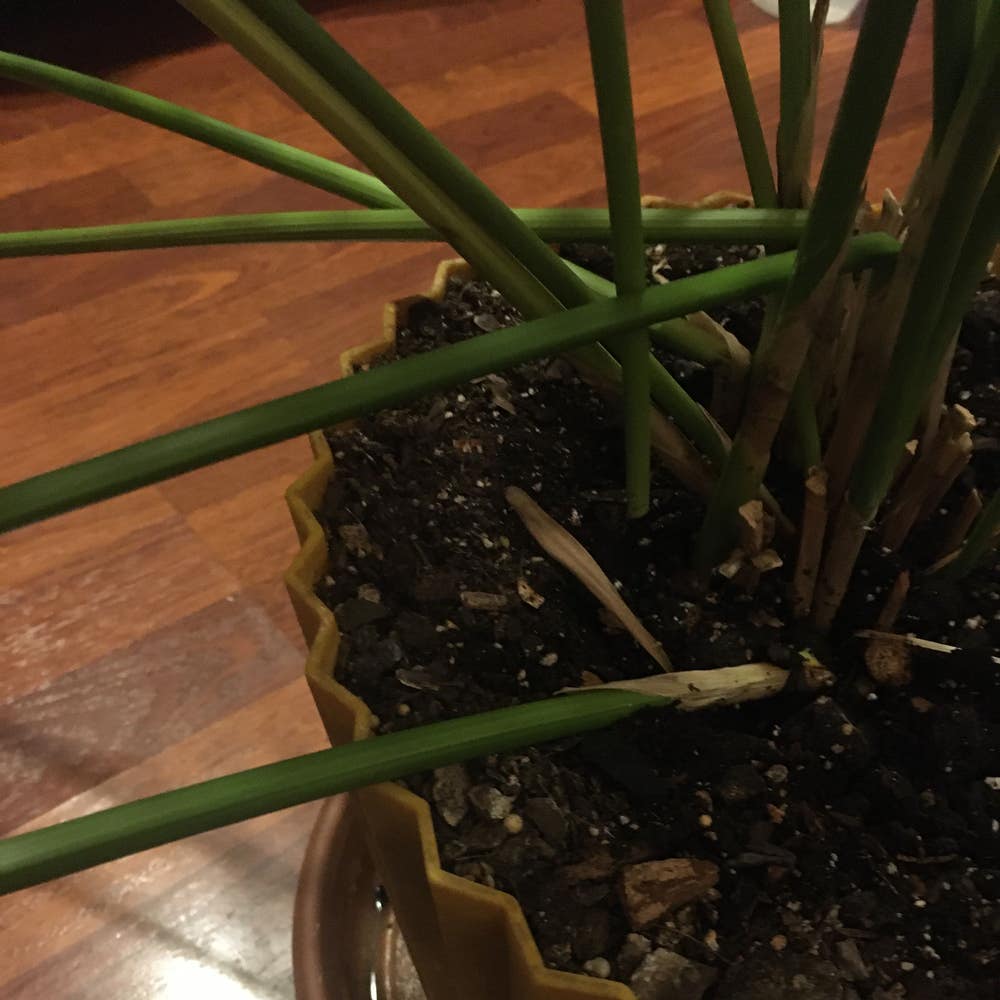
One of the most striking features of papyrus is its tall, reed-like stems, which can reach heights of up to 15 feet. This impressive stature not only makes it visually appealing but also aids in capturing sunlight effectively.
The plant's dense root system is another key trait, enabling it to withstand seasonal flooding. These roots anchor the plant firmly in wetland environments, ensuring stability and access to nutrients.
⏳ Long-term Lifecycle
Papyrus undergoes a fascinating lifecycle that includes stages such as germination, vegetative growth, flowering, and dormancy. Under optimal conditions, it can live for many years, showcasing its longevity.
Throughout the year, papyrus exhibits distinct growth patterns. These seasonal behaviors allow it to adapt to changing conditions, ensuring its survival and continued growth.
This combination of genetic and physiological traits makes papyrus a remarkable perennial, setting it apart from many other plants. As we explore its growth and reproductive strategies next, we’ll see how these characteristics play a vital role in its lifecycle.
Growth and Reproductive Strategies
🌱 Growth Patterns Throughout the Seasons
Papyrus exhibits distinct growth patterns that align with the seasons.
In spring, it experiences rapid growth, establishing itself with vigor as temperatures rise.
During summer, the plant reaches its peak growth, showcasing impressive height and vibrant flowering.
As fall approaches, Papyrus shifts focus to seed production, preparing for the dormancy that winter brings.
In winter, particularly in colder climates, it enters a state of dormancy, conserving energy until the warmth returns.
🌼 Flowering Cycles and Seed Production
The flowering period of Papyrus is crucial for its reproductive success.
It typically flowers when conditions are optimal, often triggered by temperature and moisture levels.
Seed production follows, with mechanisms in place for effective dispersal, ensuring the next generation can thrive.
Pollination plays a vital role, as the plant attracts pollinators with its distinctive flower heads, enhancing its reproductive efficiency.
🌿 Comparison with True Annuals
Unlike true annuals, which complete a single reproductive cycle in one season, Papyrus thrives through multiple cycles.
Its seeds boast impressive longevity and germination rates, allowing them to remain viable for extended periods.
Additionally, Papyrus efficiently allocates resources, balancing energy between growth and reproduction, which is key to its perennial nature.
This adaptability sets it apart, making it a resilient choice for various landscapes.
In summary, understanding Papyrus's growth and reproductive strategies reveals its remarkable resilience and adaptability. This knowledge is essential for anyone looking to incorporate this stunning plant into their garden design. Next, we will explore common misconceptions and exceptions regarding its classification.
Misconceptions and Exceptions
🌀 Conditions Leading to Misclassification
Papyrus often faces misclassification due to its behavior in cold climates. In winter, it may die back, leading some to mistakenly label it as an annual.
Seasonal flooding can also contribute to this confusion. During adverse conditions, papyrus may temporarily disappear, reinforcing the idea that it doesn't survive year-round.
🌍 Regional Variations Affecting Classification
Papyrus showcases remarkable adaptability, thriving in various climates and conditions. This resilience allows it to grow in environments that might not seem ideal.
Local gardening practices can further complicate its classification. In non-native regions, gardeners may treat papyrus as an annual, overlooking its true perennial nature.
Understanding these misconceptions is crucial for appreciating papyrus's unique characteristics. As we explore its growth and reproductive strategies next, we’ll uncover how this plant truly thrives throughout the seasons.
Garden Design and Planning
Advantages in Perennial Garden Designs 🌿
Papyrus brings a striking aesthetic to any garden with its tall, reed-like presence. This visual appeal not only enhances landscapes but also serves as a focal point, drawing the eye and creating a sense of drama.
Beyond looks, papyrus plays a vital role in supporting local ecosystems. It attracts pollinators, which are essential for a thriving garden, and contributes to biodiversity by providing habitat and food sources for various species.
Another significant advantage is longevity. As a perennial, papyrus reduces the need for replanting each season, saving time and resources while ensuring a consistent garden presence.
Tips for Integrating into Landscape Planning 🏞️
When planning your garden, consider the placement of papyrus carefully. It thrives in areas with ample sunlight and consistent moisture, making it ideal for wetland or water-adjacent spots.
Companion planting can enhance your garden's overall design. Pairing papyrus with other perennials creates a cohesive look and can improve growth conditions for all plants involved.
Don’t forget about seasonal interest. Planning for year-round visual appeal means considering how papyrus will interact with other plants throughout the seasons, ensuring your garden remains vibrant and engaging no matter the time of year.
Integrating papyrus into your landscape not only beautifies your space but also fosters a healthier environment. With thoughtful planning, you can create a stunning garden that thrives through the seasons.
Management and Longevity
🌱 Best Practices for Managing as a Perennial
Watering
Papyrus thrives in consistently moist conditions. Ensure the soil remains damp but avoid waterlogging, which can lead to root rot.
Pruning
Regular pruning helps maintain the plant's health and shape. Trim back dead or damaged stems to encourage new growth and improve airflow.
Fertilization
Nutrient needs vary throughout the growing season. Use a balanced fertilizer during the active growth phase to support robust development.
🕰️ Tips for Maximizing Longevity
Seasonal Care
Adjust your care practices with the changing seasons. In spring, focus on promoting growth, while in fall, prepare the plant for dormancy.
Pest Management
Stay vigilant for common pests that may affect Papyrus. Regularly inspect the foliage and treat any infestations promptly to prevent damage.
Environmental Considerations
Protect your Papyrus from extreme weather conditions. Providing shelter during harsh winters can significantly enhance its lifespan.
By following these management strategies, you can ensure your Papyrus remains a vibrant part of your landscape for years to come. Next, let’s explore how to integrate this stunning plant into your garden design effectively.
⚠️ Safety First
This content is for general information and may contain errors, omissions, or outdated details. It is not medical, veterinary advice, or an endorsement of therapeutic claims.
Always consult a qualified healthcare professional before using any plant as food, medicine, or supplement.
Never eat any plant (or feed one to pets) without confirming its identity with at least two trusted sources.
If you suspect poisoning, call Poison Control (800) 222-1222, the Pet Poison Helpline (800) 213-6680, or your local emergency service immediately.
Spotted an error? Please report it here.
Embrace the beauty of papyrus as a perennial powerhouse 🌱 with Greg's tailored care reminders to keep it thriving and your garden flourishing all year long!