🏺 Egyptian Papyrus: Not an Invasive Plant
Cyperus papyrus
By the Greg Editorial Team
Jan 07, 2025•6 min read
This article was created with the help of AI so we can cover more plants for you. May contain errors. See one? Report it here.
- 🌱 Egyptian Papyrus is non-invasive, making it a safe and attractive garden choice.
- 🐝 Supports biodiversity by attracting pollinators and providing wildlife habitat.
- 💧 Improves water quality and stabilizes soil, enhancing wetland health.
Plant Classification
Definition of Invasive Plants 🌱
Invasive plants are species that spread aggressively beyond their native range. They often disrupt local ecosystems, outcompeting native flora and fauna.
Characteristics of Egyptian Papyrus 🌾
Egyptian Papyrus stands out as a non-invasive species. It doesn't display the aggressive growth patterns typical of invasive plants and has specific environmental needs that naturally limit its spread.
Explanation of Non-Invasive Status ✅
Due to its natural growth limits and specific conditions required for optimal growth, Egyptian Papyrus is classified as a non-invasive plant. This classification makes it a great choice for gardens, as it won't overtake other plants or disrupt local ecosystems.
With its unique characteristics, Egyptian Papyrus can be a beautiful addition to your garden without the worry of it becoming a nuisance. Next, let's explore its growth habits and how it thrives in various environments.
Growth Habits
Typical Growth Patterns in Gardens 🌱
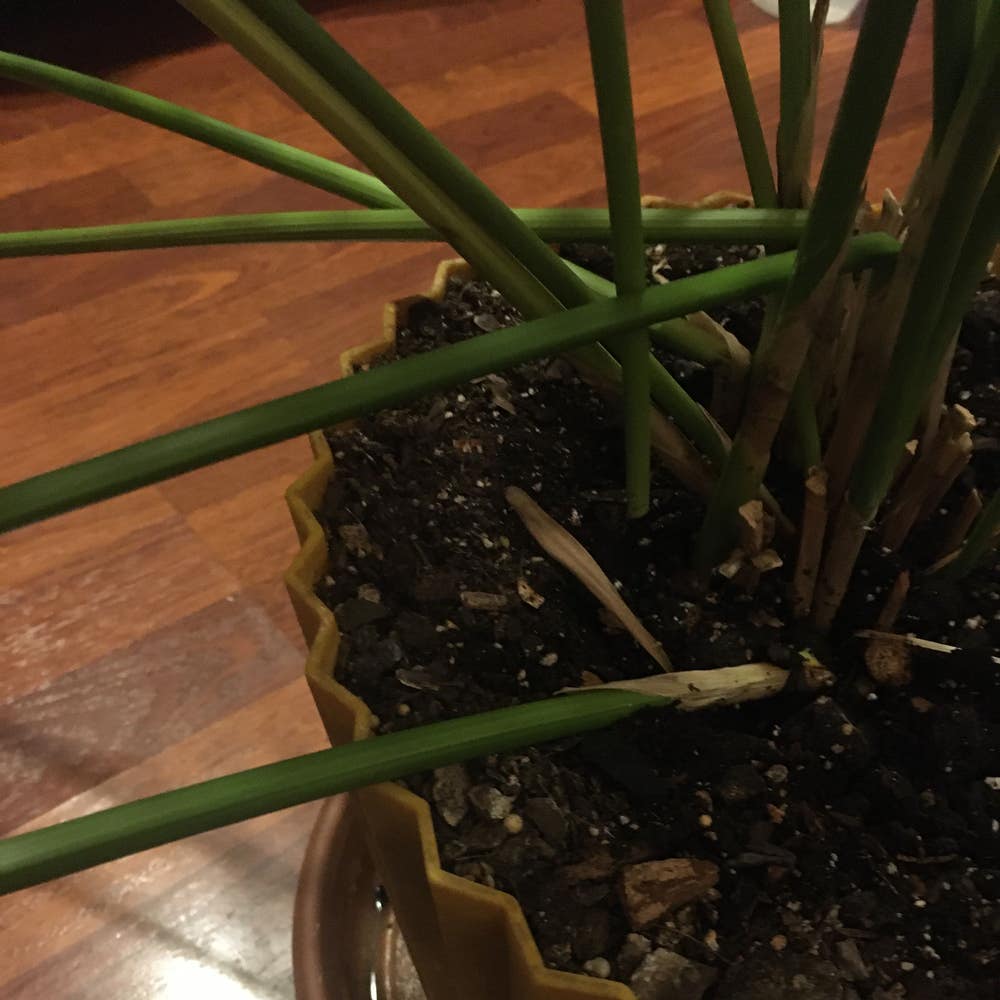
Egyptian Papyrus is known for its striking growth habits, forming dense clumps that add vertical interest and texture to garden designs. With heights reaching between 6 to 10 feet, it serves as an excellent backdrop or focal point in various landscaping settings.
Natural Growth Limits and Spread Potential 🚧
This plant thrives in moist, well-drained soil and prefers full sun to partial shade. However, its growth is naturally restricted by environmental factors such as water availability and soil type, preventing it from becoming overly aggressive.
Environmental Conditions for Optimal Growth ☀️
While Egyptian Papyrus flourishes in wetland areas, it can also adapt well to garden environments with sufficient moisture. For optimal growth, it prefers a soil pH between 6.0 and 7.5, along with consistent moisture levels to support its lush development.
Transitioning from its growth habits, let's explore the ecological role of Egyptian Papyrus and how it benefits local ecosystems.
Ecological Role
Benefits to Local Ecosystems 🌿
Egyptian Papyrus plays a vital role in local ecosystems by providing essential habitat for various wildlife. Its dense growth offers shelter and nesting sites for birds and beneficial insects, contributing significantly to biodiversity in both garden and wetland environments.
Positive Interactions with Wildlife 🦋
This remarkable plant attracts pollinators, making it a favorite among bees and butterflies. Additionally, it provides shade and habitat for aquatic life, enhancing the ecological balance in water gardens.
Role in Water Filtration and Habitat Creation 💧
Egyptian Papyrus acts as a natural filter, improving water quality by absorbing excess nutrients that can harm aquatic ecosystems. Furthermore, it helps stabilize soil, preventing erosion in wetland areas, which is crucial for maintaining healthy habitats.
Incorporating Egyptian Papyrus into your garden not only enhances its beauty but also supports local wildlife and promotes ecological health. As we explore its garden management next, consider how this plant can fit into your landscape while benefiting the environment.
Garden Management
Incorporating Egyptian Papyrus into Garden Designs 🌿
Egyptian Papyrus is a versatile plant that thrives in various garden settings. It works beautifully in water features and bog gardens, adding a lush, tropical feel.
Additionally, this plant can serve as a stunning backdrop in mixed borders. For those with limited space, consider using Egyptian Papyrus in containers on patios or decks, where its height and texture can shine.
Aesthetic Considerations and Placement 🎨
When positioning Egyptian Papyrus, think about its impressive height. Place it behind shorter plants to create a layered effect that enhances your garden's visual appeal.
Also, keep in mind the seasonal changes in its appearance. This consideration will help you integrate it seamlessly into your overall garden design.
Methods for Controlling Growth if Necessary ✂️
If you find that your Egyptian Papyrus is growing more than you'd like, there are effective management techniques to consider:
- Regular pruning helps maintain the desired height and shape.
- Dividing clumps every 2-3 years prevents overcrowding and promotes healthy growth.
- Monitoring water levels ensures optimal conditions for this moisture-loving plant.
These methods will keep your garden looking its best while enjoying the benefits of this unique plant.
As you explore the next section, consider how Egyptian Papyrus compares to other plants in your garden. Its unique qualities and non-invasive nature make it a standout choice!
Comparison to Other Plants
🌿 Similar Non-Invasive Plants
When considering non-invasive plants for aquatic or wetland gardens, cattails and sedges are popular choices. While they share a love for moist environments, their growth habits and aesthetics differ significantly from Egyptian Papyrus.
Cattails can grow taller and spread more aggressively, often dominating spaces if not managed. In contrast, sedges offer a more subtle texture but lack the striking visual appeal of Egyptian Papyrus. This plant stands out with its unique structure and vibrant green color, making it a favorite for garden enthusiasts.
🌼 Unique Qualities of Egyptian Papyrus
Egyptian Papyrus is not just another plant; it boasts a distinctive umbrella-like flower head that adds a dramatic flair to any garden. Its historical significance in ancient Egypt as a source of paper and art further enhances its allure.
This plant's unique appearance and cultural heritage make it a conversation starter, drawing attention and admiration from visitors. It's more than just a plant; it's a piece of history that can thrive in modern gardens.
🌱 Benefits of Choosing Egyptian Papyrus Over Other Species
One of the standout benefits of Egyptian Papyrus is its non-invasive nature, which simplifies garden management. Unlike some aggressive species, it won't take over your garden, allowing you to enjoy its beauty without constant worry.
Additionally, it provides unique visual interest and ecological benefits. By choosing Egyptian Papyrus, you're not only enhancing your garden's aesthetics but also supporting local wildlife and promoting biodiversity. It's a win-win for both your garden and the environment.
Legal and Environmental Considerations
📜 Relevant Classifications and Guidelines
When considering planting Egyptian Papyrus, it's essential to be aware of local regulations. Some regions may have specific guidelines regarding the introduction of non-native plants, even if they are non-invasive.
Sourcing plants from reputable nurseries is crucial. This ensures that you are getting healthy specimens that are less likely to introduce pests or diseases into your garden.
🌱 Sustainable Gardening Practices
Incorporating Egyptian Papyrus into sustainable garden designs can enhance both aesthetics and ecological health. This plant thrives in wet conditions, making it ideal for water features and bog gardens.
Using native and non-invasive plants like Egyptian Papyrus supports local ecosystems. These plants can provide habitats for wildlife while requiring fewer resources to maintain.
🌍 Environmental Impact and Conservation Efforts
Egyptian Papyrus plays a vital role in promoting biodiversity. By providing shelter and food for various species, it supports local wildlife populations.
Encouraging conservation practices is essential for protecting native habitats. Planting Egyptian Papyrus can be part of a broader strategy to enhance ecological balance and promote healthy ecosystems.
As you consider your garden design, think about how each plant contributes to the environment. Choosing non-invasive options like Egyptian Papyrus not only beautifies your space but also fosters a thriving ecosystem.
⚠️ Safety First
This content is for general information and may contain errors, omissions, or outdated details. It is not medical, veterinary advice, or an endorsement of therapeutic claims.
Always consult a qualified healthcare professional before using any plant as food, medicine, or supplement.
Never eat any plant (or feed one to pets) without confirming its identity with at least two trusted sources.
If you suspect poisoning, call Poison Control (800) 222-1222, the Pet Poison Helpline (800) 213-6680, or your local emergency service immediately.
Spotted an error? Please report it here.
Discover the stunning versatility of Egyptian Papyrus 🌱, and let Greg help you thrive with tailored care tips that ensure your garden flourishes while supporting local wildlife!