How to Fix Droopy Leaves on Your Egyptian Papyrus 💧
Cyperus papyrus
By the Greg Editorial Team
Jan 07, 2025•5 min read
This article was created with the help of AI so we can cover more plants for you. May contain errors. See one? Report it here.
- 💧 Overwatering and underwatering both cause droopy leaves; check soil moisture regularly.
- 🌞 Egyptian Papyrus needs 4-6 hours of sunlight daily for optimal health.
- 🌿 Humidity levels of 50-70% are crucial; misting can help maintain this.
Causes of Droopy Leaves
💧 Overwatering and Root Rot
Overwatering is a common culprit behind droopy leaves in Egyptian Papyrus. Symptoms include yellowing leaves, mushy roots, and a foul smell emanating from the soil.
To prevent this, always use well-draining soil and pots equipped with drainage holes. This ensures excess water can escape, keeping your plant healthy.
🚰 Underwatering and Drought Stress
On the flip side, underwatering can also lead to droopy leaves. Signs of drought stress include crispy leaf edges, wilting, and, of course, drooping leaves.
To combat this, maintain a consistent watering routine. Check the soil regularly to ensure it remains consistently moist.
🌬️ Low Humidity Levels
Egyptian Papyrus thrives in humidity levels between 50-70%. If the air is too dry, your plant may show signs of stress.
Consider using a humidifier or placing a pebble tray filled with water beneath the pot to boost humidity. This simple adjustment can make a significant difference.
🥦 Nutrient Deficiencies
Nutrient deficiencies can also contribute to droopy leaves. Common deficiencies include nitrogen, potassium, and magnesium.
To address this, use a balanced, water-soluble fertilizer every 4-6 weeks during the growing season. This will help replenish essential nutrients.
🌡️ Environmental Stress
Environmental stress, such as temperature fluctuations, can negatively impact your plant. The ideal temperature range for Egyptian Papyrus is between 20°C to 30°C (68°F to 86°F).
To mitigate this, position your plant away from drafts and maintain stable temperatures. A little attention to its environment can go a long way in keeping your Papyrus healthy.
Understanding these causes is crucial for maintaining the health of your Egyptian Papyrus. By addressing these issues, you can ensure your plant thrives and avoids droopy leaves. Next, let’s explore how to diagnose droopy leaves effectively.
Diagnosing Droopy Leaves
Visual Signs of Droopiness 🌿
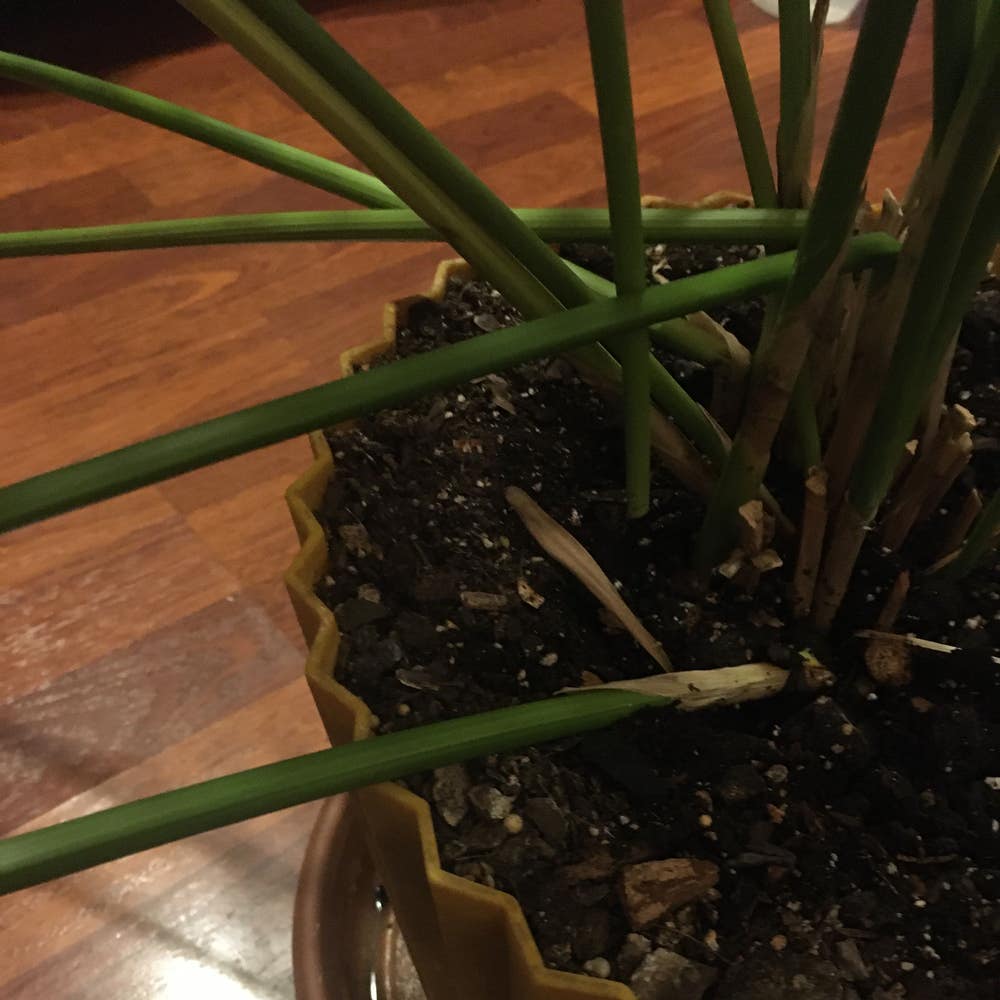
Identifying droopy leaves is crucial for understanding your Egyptian Papyrus's health. Healthy leaves stand tall and firm, while droopy leaves often signal distress.
Assessing Soil Moisture 💧
Next, check the soil moisture. Use a moisture meter or simply insert your finger about 1-2 inches deep into the soil to gauge its dampness.
Checking Humidity Levels 🌫️
Humidity plays a significant role in your plant's well-being. A hygrometer can help you measure humidity levels, ensuring they fall within the ideal range.
Evaluating Light Conditions ☀️
Light conditions are equally important. Your Egyptian Papyrus thrives in full sun to partial shade, requiring about 4-6 hours of direct sunlight daily.
By carefully assessing these factors, you can pinpoint the cause of droopy leaves and take the necessary steps to revive your plant. Next, let’s explore effective solutions to address these issues.
Solutions for Droopy Leaves
🌊 Adjusting Watering Practices
Establishing a consistent watering schedule is crucial for your Egyptian Papyrus. Water the plant when the top inch of soil feels dry to the touch.
Ensure proper drainage by using pots with drainage holes. This prevents water accumulation, which can lead to root rot and droopy leaves.
💧 Increasing Humidity
Humidity plays a significant role in the health of your plant. Regularly misting the leaves can help boost humidity levels, creating a more favorable environment.
Consider placing a pebble tray filled with water beneath the pot for added moisture. This simple trick can enhance humidity without much effort.
🌱 Fertilizing Appropriately
Choosing the right fertilizer is essential for addressing nutrient deficiencies. Opt for a balanced NPK fertilizer that includes micronutrients to support healthy growth.
Fertilize every 4-6 weeks during the growing season to keep your plant nourished and vibrant. This will help prevent droopy leaves caused by nutrient shortages.
✂️ Pruning Damaged Leaves
Identifying and removing damaged leaves is a straightforward way to improve your plant's appearance and health. Look for yellowing or brown tips, which indicate stress.
Pruning these leaves not only enhances the plant's look but also allows it to focus energy on healthier growth. Regular maintenance can make a significant difference in your plant's vitality.
With these solutions in hand, you can effectively combat droopy leaves on your Egyptian Papyrus. Next, let’s explore preventative measures to keep your plant thriving in the long run.
Preventative Measures
Ideal Growing Conditions 🌞
Creating the right environment is crucial for your Egyptian Papyrus. Use a well-draining, moisture-retentive potting mix to keep the roots happy and healthy.
For light conditions, aim for full sun to partial shade. This plant thrives with 4-6 hours of direct sunlight daily, ensuring vibrant growth.
Regular Monitoring of Plant Health 🔍
Stay proactive by checking your plant weekly. Inspect the leaves and soil moisture to catch any issues before they escalate.
This simple routine can save you from bigger problems down the line, keeping your papyrus thriving.
Seasonal Care Adjustments 🍂
Adjust your care routine with the changing seasons. Increase watering during hot months when evaporation is higher, and reduce it in cooler months to prevent overwatering.
This adaptability helps maintain the plant's health year-round.
Choosing the Right Potting Mix 🪴
Selecting the right potting mix is essential for moisture retention. A blend of peat moss, perlite, and compost works wonders for your Egyptian Papyrus.
This mix not only retains moisture but also provides the necessary nutrients for robust growth.
By implementing these preventative measures, you can ensure your Egyptian Papyrus remains vibrant and healthy. Next, let’s explore how to diagnose droopy leaves effectively.
⚠️ Safety First
This content is for general information and may contain errors, omissions, or outdated details. It is not medical, veterinary advice, or an endorsement of therapeutic claims.
Always consult a qualified healthcare professional before using any plant as food, medicine, or supplement.
Never eat any plant (or feed one to pets) without confirming its identity with at least two trusted sources.
If you suspect poisoning, call Poison Control (800) 222-1222, the Pet Poison Helpline (800) 213-6680, or your local emergency service immediately.
Spotted an error? Please report it here.
Revitalize your Egyptian Papyrus with consistent care and the right environment, and let Greg guide you with personalized reminders and moisture monitoring for a 🌿 thriving plant!