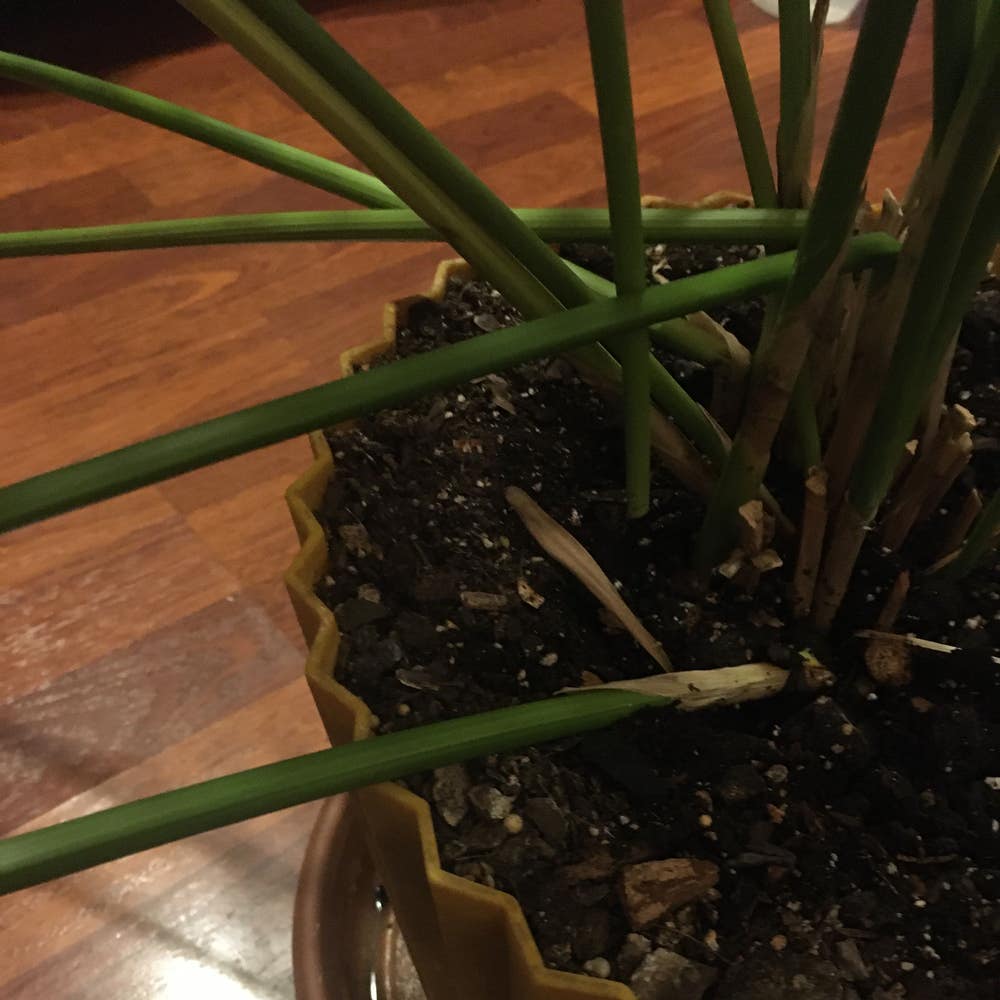
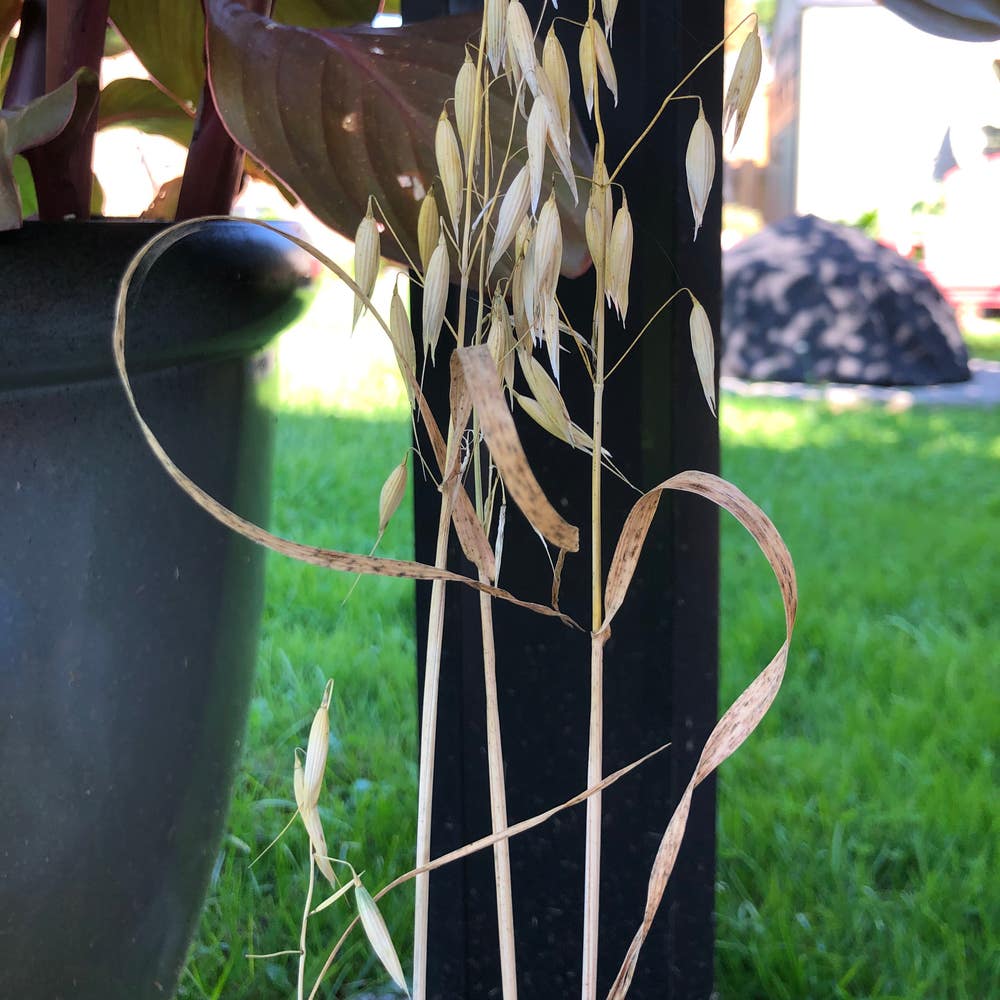
🌊 Why the Leaves on Your Egyptian Papyrus Are Turning Yellow
Cyperus papyrus
By the Greg Editorial Team
Jan 07, 2025•4 min read
This article was created with the help of AI so we can cover more plants for you. May contain errors. See one? Report it here.
- 💧🌱 Yellow leaves indicate overwatering or underwatering; check soil moisture regularly.
- 🌿🔍 Nutrient deficiencies, especially nitrogen and iron, cause yellowing; test soil for accuracy.
- ☀️🌡️ Proper light and temperature are crucial; Egyptian papyrus thrives in full sun to partial shade.
Diagnosing Yellow Leaves
Identifying Symptoms of Overwatering vs. Underwatering 🌊
Understanding the difference between overwatering and underwatering is crucial for your Egyptian papyrus. Overwatering typically presents as wilting leaves accompanied by soggy soil, while underwatering results in wilting with dry soil.
Recognizing Signs of Nutrient Deficiency 🥦
Nutrient deficiencies can also lead to yellowing leaves. Look for visual cues: nitrogen deficiency often shows as older leaves turning yellow, while iron deficiency typically affects younger leaves, causing a yellowing between the veins.
Soil testing is essential for accurate diagnosis. It helps identify specific nutrient deficiencies, allowing for targeted interventions.
Checking for Pests and Diseases 🐛
Regular inspections can help catch pests and diseases early. Check under leaves and at the soil surface for any signs of trouble.
Using a magnifying glass can be particularly helpful for spotting small pests that might otherwise go unnoticed.
Assessing Environmental Conditions 🌤️
Environmental factors play a significant role in leaf health. Egyptian papyrus thrives in full sun to partial shade, so ensure it receives adequate light.
If you notice stretching or yellowing, it may indicate insufficient light. Additionally, keep an eye on temperature, both indoors and outdoors, to ensure your plant is comfortable and thriving.
By diagnosing these issues early, you can take steps to restore your papyrus to its vibrant self. Next, let’s explore effective solutions for treating yellow leaves.
Solutions for Yellow Leaves
🌊 Adjusting Watering Practices ((difficulty:easy))
To combat yellowing leaves, start with a solid watering routine. Check moisture levels daily to ensure your Egyptian papyrus is neither overwatered nor underwatered.
Use techniques like the finger test—insert your finger into the soil up to the second knuckle. If it feels dry, it’s time to water; if it’s soggy, hold off for a bit.
🌱 Fertilizing Correctly ((difficulty:moderate))
Fertilization plays a crucial role in plant health. Choose between slow-release fertilizers for steady nourishment or liquid fertilizers for a quick boost.
Timing is key; fertilize during the growing season when your plant is actively growing. This ensures it gets the nutrients it needs to thrive.
🐛 Treating Pest Infestations ((difficulty:hard))
Pest control requires a systematic approach. Start by identifying the pest—common culprits include aphids and spider mites.
Next, choose an appropriate treatment method, whether it’s insecticidal soap or neem oil. Finally, monitor your plant’s recovery to ensure the pests are gone for good.
🦠 Managing Diseases ((difficulty:hard))
When dealing with diseases, fungicide application is essential. Apply it at the first sign of trouble, following the label instructions carefully for best results.
Additionally, ensure proper drainage in your pots. Techniques like adding perlite or creating drainage holes can significantly improve soil drainage and prevent root rot.
💡 Environmental Adjustments ((difficulty:moderate))
Light management is vital for healthy growth. If your papyrus isn’t getting enough light, consider moving it to a brighter location.
If natural light is insufficient, using grow lights can provide the necessary boost. Don’t forget about humidity; misting your plants or using humidity trays can help maintain the right moisture levels in the air.
By implementing these solutions, you can revive your Egyptian papyrus and keep those leaves lush and green. Next, let’s explore some preventative measures to ensure your plant stays healthy year-round.
Preventative Measures
Best Practices for Watering 🌊
Establishing a consistent watering routine is crucial for the health of your Egyptian papyrus. Aim to check the soil moisture regularly, ensuring you only water when necessary to avoid both overwatering and underwatering.
Soil Selection and Amendments 🪴
Choosing the right soil type can make a significant difference. Opt for well-draining, moisture-retentive mixes to support healthy growth.
Soil Amendments
To enhance soil quality, consider adding organic matter and perlite. These amendments improve drainage and moisture retention, creating an ideal environment for your plants.
Regular Monitoring for Pests and Diseases 🔍
Setting up a monitoring schedule is essential for early detection of pests and diseases. Conduct weekly checks to catch any issues before they escalate.
Importance of Plant Health
Maintaining plant health through regular inspections can save you time and effort in the long run. Healthy plants are more resilient to stress and disease.
Seasonal Care Tips to Prevent Yellowing 🍂
Adjust your care practices with the changing seasons. For instance, increase watering frequency during the hot summer months while reducing it in the cooler winter.
Preparing for Temperature Fluctuations
Be proactive about temperature changes by relocating your plants if necessary. This simple adjustment can help prevent stress and yellowing leaves.
By implementing these preventative measures, you can keep your Egyptian papyrus thriving and vibrant. Next, let’s explore effective solutions for addressing yellow leaves when they do appear.
⚠️ Safety First
This content is for general information and may contain errors, omissions, or outdated details. It is not medical, veterinary advice, or an endorsement of therapeutic claims.
Always consult a qualified healthcare professional before using any plant as food, medicine, or supplement.
Never eat any plant (or feed one to pets) without confirming its identity with at least two trusted sources.
If you suspect poisoning, call Poison Control (800) 222-1222, the Pet Poison Helpline (800) 213-6680, or your local emergency service immediately.
Spotted an error? Please report it here.
Keep your Egyptian papyrus vibrant and healthy 🌿 by using Greg's tailored watering reminders and nutrient tracking to prevent yellow leaves and ensure thriving growth!