🏺 9 Tips for Watering Your Egyptian Papyrus
Cyperus papyrus
By the Greg Editorial Team
Jan 07, 2025•4 min read
This article was created with the help of AI so we can cover more plants for you. May contain errors. See one? Report it here.
- 💧 Water every 2-3 days during growth for healthy Egyptian papyrus.
- 🌡️ Adjust watering frequency seasonally to prevent over-saturation or drought stress.
- 🌿 Monitor leaf color and soil texture for signs of over or under-watering.
Ideal Watering Frequency
🌊 Frequency Guidelines
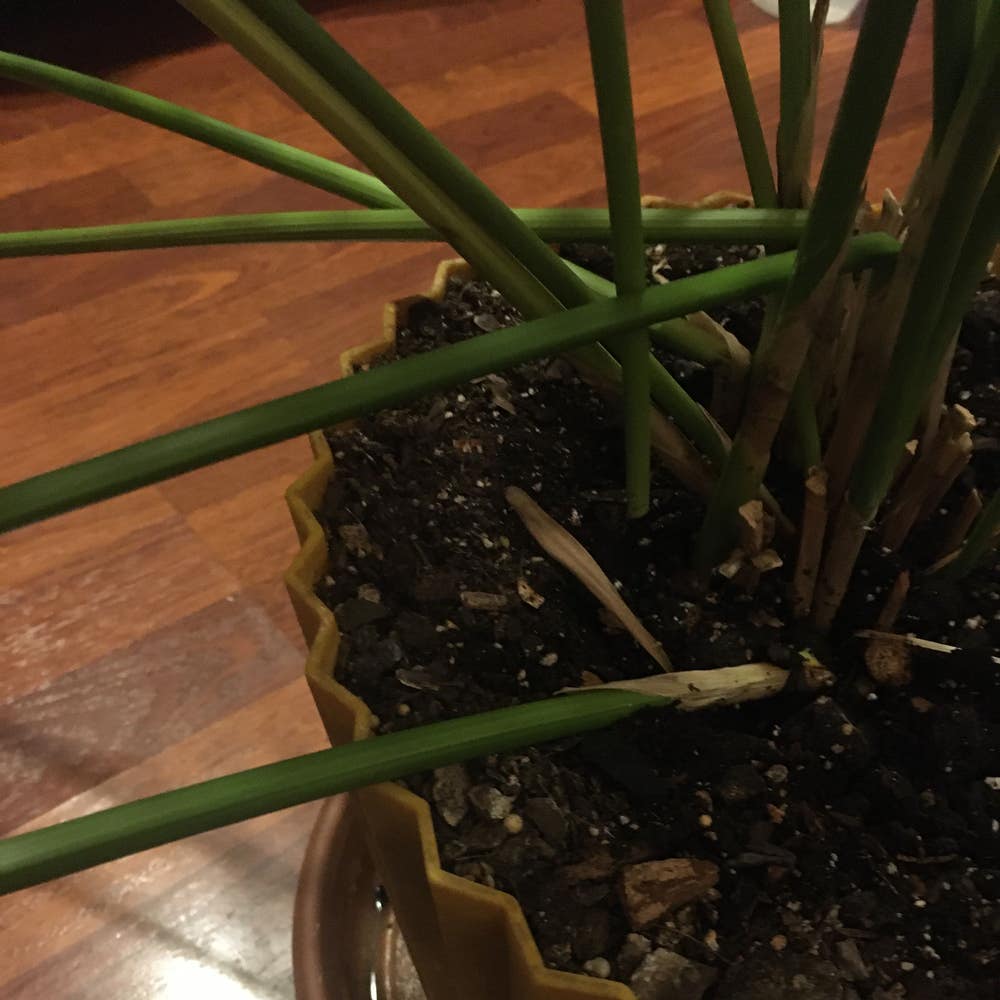
To keep your Egyptian papyrus thriving, aim for consistently moist soil. During the growing season, this typically means watering every 2-3 days.
As temperatures rise, you may need to increase your watering frequency. Conversely, during cooler months, it's wise to reduce how often you water to prevent over-saturation.
Signs of Over-Watering and Under-Watering
🚿 Over-Watering Symptoms
Over-watering can be a sneaky problem for your Egyptian Papyrus. One of the first signs is yellowing leaves, which indicates that the roots are stressed from excess moisture.
Another red flag is wilting despite wet soil. This can happen when roots are drowning, leading to poor nutrient uptake. If you notice root rot, characterized by dark, mushy roots upon inspection, it’s time to take immediate action.
💧 Under-Watering Symptoms
On the flip side, under-watering can also wreak havoc on your plant. Look out for browning leaf tips, which signal that your Papyrus isn’t getting enough moisture.
Wilting is another clear sign; leaves will droop and lose their turgor pressure. Additionally, if you see the soil pulling away from the pot edges, it indicates dryness and a lack of moisture retention.
Understanding these signs will help you maintain the perfect balance for your Egyptian Papyrus, ensuring it thrives in your care. Next, let’s explore effective watering techniques to keep your plant happy and healthy.
Watering Techniques
Bottom-Watering Technique 🌊
Bottom-watering is a straightforward method that ensures your Egyptian Papyrus receives moisture evenly.
- Start by filling a basin or tray with water.
- Place the pot in the water, allowing the soil to absorb moisture from the bottom.
- After about 30 minutes to 1 hour, remove the pot once the topsoil feels moist.
This technique is especially beneficial for plants that prefer consistently moist conditions, as it encourages deep root growth.
Self-Watering Pots 💧
Self-watering pots are a game-changer for busy gardeners.
- They provide a reservoir of water, ensuring consistent moisture levels without daily attention.
- This method is perfect for those who may forget to water regularly, as it reduces the frequency of manual watering.
To keep your self-watering pot in top shape, regularly check the water reservoir and refill as needed. This simple maintenance step can make a significant difference in your plant's health, allowing you to enjoy your Egyptian Papyrus without the stress of constant watering.
With these watering techniques, you can ensure your Egyptian Papyrus thrives, setting the stage for understanding how to measure soil moisture effectively.
Measuring Soil Moisture
Tools for Measuring Moisture Levels 🌡️
To ensure your Egyptian Papyrus thrives, measuring soil moisture is crucial. A soil moisture meter is a handy tool that provides accurate readings, helping you determine when to water.
Another useful device is a hygrometer, which measures the humidity levels around your plant. This can give you insights into the overall environment, aiding in better care.
Manual Soil Moisture Check 👋
If you prefer a hands-on approach, you can easily check moisture manually.
- Insert a finger about 1-2 inches into the soil.
- Assess the moisture: If it feels dry, it’s time to water; if it feels moist, wait a few days.
This simple method can help you stay in tune with your plant's needs without any fancy gadgets.
Indicators That the Plant Needs More or Less Water 👀
Visual cues are your best friends when monitoring your plant's hydration. Look for changes in leaf color and texture; yellowing leaves may indicate over-watering, while browning tips can signal under-watering.
Additionally, pay attention to the soil texture. Dry, crumbly soil suggests your plant is thirsty, while soggy soil points to excess moisture. Keeping an eye on these indicators will help you maintain the perfect balance for your Egyptian Papyrus.
With these techniques, you can confidently nurture your plant, ensuring it receives just the right amount of water. Next, let’s explore effective watering techniques to make your routine even easier.
Watering Schedule and Reminders
🌱 Creating a Watering Schedule Using the Greg Plant Care App
Setting up a watering schedule is crucial for the health of your Egyptian Papyrus. The Greg Plant Care App makes this easy by allowing you to set reminders tailored to seasonal needs and the growth stages of your plant.
You can also track moisture levels by logging your watering frequency and soil moisture readings. This helps you stay on top of your plant's hydration needs and ensures it thrives.
🌦️ Seasonal Adjustments to Watering Frequency
As the seasons change, so should your watering routine. During spring and summer, aim to water your Egyptian Papyrus every 2-3 days to keep the soil consistently moist.
In contrast, fall and winter call for a more relaxed approach. Reduce your watering to about once a week or adjust based on the temperature and humidity levels in your environment. This seasonal awareness will help your plant flourish year-round.
⚠️ Safety First
This content is for general information and may contain errors, omissions, or outdated details. It is not medical, veterinary advice, or an endorsement of therapeutic claims.
Always consult a qualified healthcare professional before using any plant as food, medicine, or supplement.
Never eat any plant (or feed one to pets) without confirming its identity with at least two trusted sources.
If you suspect poisoning, call Poison Control (800) 222-1222, the Pet Poison Helpline (800) 213-6680, or your local emergency service immediately.
Spotted an error? Please report it here.
Keep your Egyptian papyrus thriving 🌱 by using Greg's personalized watering reminders to master its hydration needs with ease!