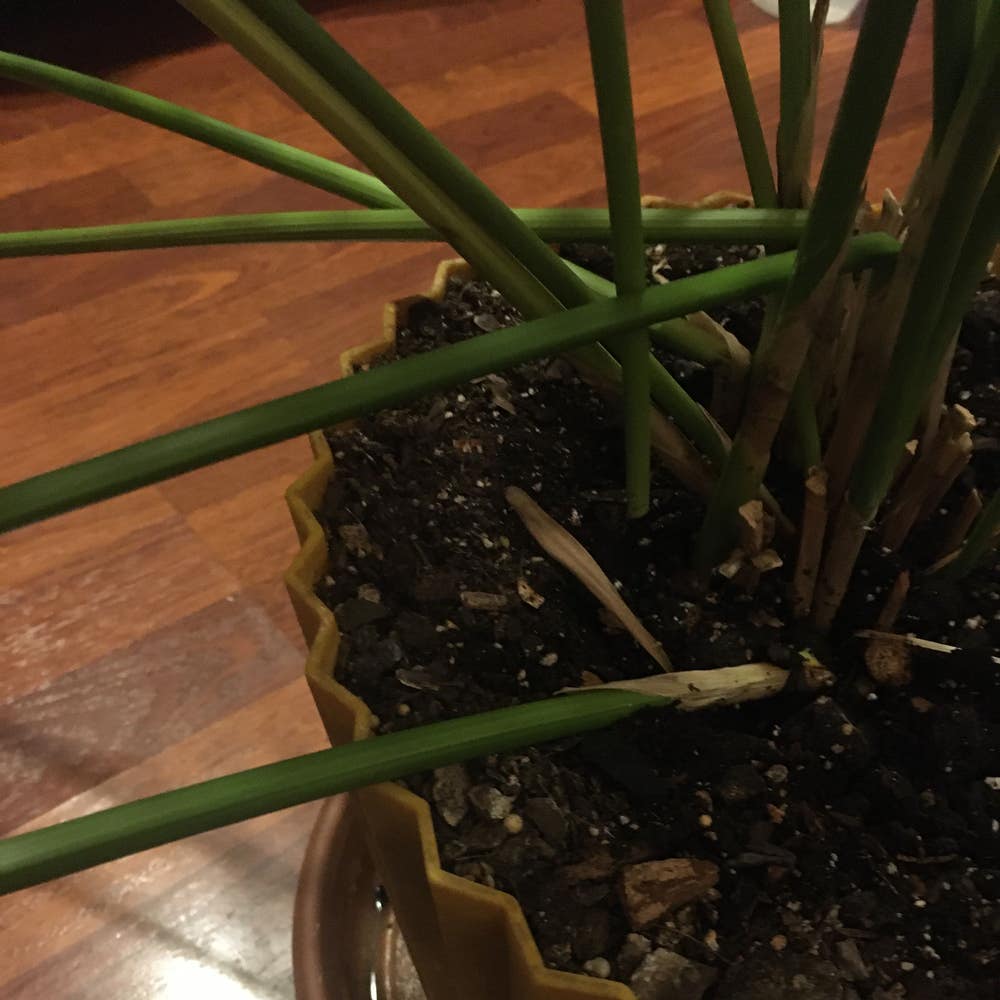
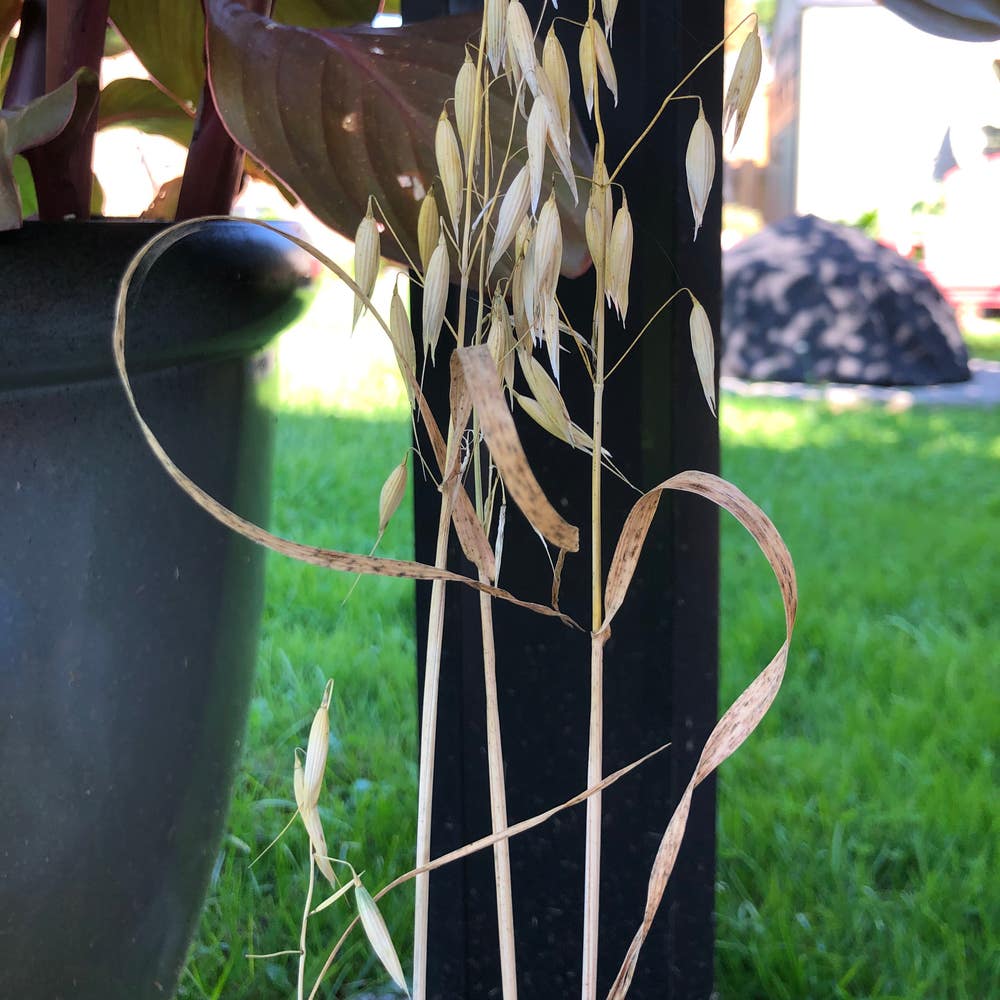
How to Fix Leaves Falling Over on Your Egyptian Papyrus 🌿
Cyperus papyrus
By the Greg Editorial Team
Jan 07, 2025•4 min read
This article was created with the help of AI so we can cover more plants for you. May contain errors. See one? Report it here.
- 💧 Overwatering or underwatering causes drooping leaves; adjust your watering routine.
- 🌱 Nutrient deficiencies lead to unhealthy leaves; fertilize regularly for robust growth.
- 🐛 Pest infestations weaken your papyrus; inspect regularly and treat promptly.
Causes of Leaves Falling Over
💧 Overwatering
Overwatering is a common issue that can lead to root rot. When the soil remains too moist, the roots suffocate and decay, causing the leaves to droop.
🚰 Underwatering
On the flip side, underwatering can also stress your Egyptian papyrus. Insufficient water leads to dehydration, making the leaves fall over as the plant struggles to survive.
🍽️ Nutrient Deficiencies
A lack of essential nutrients can significantly affect growth. If your papyrus isn't getting enough nitrogen, potassium, or phosphorus, it may show signs of distress, including drooping leaves.
🌪️ Environmental Stress
Sudden changes in temperature or humidity can create an uncomfortable environment for your plant. This stress can lead to leaves falling over as the papyrus tries to adapt.
🐛 Pest Infestations
Pests can weaken your papyrus, causing damage that results in drooping leaves. Keeping an eye out for common pests is crucial to maintaining the health of your plant.
Understanding these causes is the first step in addressing the issue of leaves falling over. By identifying the problem, you can take the necessary steps to restore your Egyptian papyrus to its vibrant self.
Symptoms of Unhealthy Papyrus
🌼 Yellowing Leaves
Yellowing leaves are often the first sign that your Egyptian papyrus is struggling. This discoloration typically indicates stress or nutrient deficiencies, signaling that your plant needs immediate attention.
💧 Wilting
Wilting is another critical symptom to watch for. It usually points to underwatering or root problems, suggesting that your papyrus isn't getting the hydration it requires to thrive.
🌿 Leaf Droop
Leaf droop is a specific indicator of overwatering or environmental stress. If you notice your papyrus leaves drooping, it’s essential to assess your watering habits and the plant's surroundings.
Understanding these symptoms can help you take proactive steps to restore your papyrus to health. Next, let’s explore how to manage nutrient levels effectively to support robust growth.
Nutrient Management
Fertilization Schedule 🌱
To keep your Egyptian papyrus thriving, fertilization is key. Aim to fertilize every 4-6 weeks during the growing season to provide essential nutrients.
Use a balanced liquid fertilizer with an NPK ratio of 10-10-10. This ensures your plant receives a well-rounded supply of nutrients.
When applying fertilizer, dilute it in water and mix it during your regular watering routine. This method helps prevent root burn and promotes healthy growth.
Signs of Nutrient Deficiency ⚠️
Recognizing nutrient deficiencies early can save your papyrus from serious stress.
Nitrogen Deficiency: Look for yellowing of older leaves, which indicates that your plant is lacking this crucial nutrient.
Potassium Deficiency: If you notice browning edges on the leaves, potassium might be the culprit.
Phosphorus Deficiency: Stunted growth and poor flowering can signal a lack of phosphorus, essential for robust development.
By staying vigilant and addressing these signs promptly, you can ensure your Egyptian papyrus remains vibrant and healthy.
Next, let’s explore how to manage pests and diseases that can affect your plant's health.
Pest and Disease Management
Common Pests Affecting Papyrus 🐜
Pests can wreak havoc on your Egyptian papyrus, leading to drooping leaves and overall decline.
Aphids are a common nuisance, leaving behind a sticky residue and curling the leaves.
Spider mites are another threat, identifiable by fine webbing and stippled leaves.
To combat these pests, consider using insecticidal soap or neem oil. Introducing beneficial insects can also help keep these pests in check.
Diseases That Cause Leaf Droop 🦠
Diseases can also contribute to leaf droop, making it crucial to recognize the signs early.
Root rot is a serious issue, with symptoms like wilting and mushy roots.
Leaf spot disease manifests as brown spots on leaves, indicating a fungal infection.
To prevent these diseases, focus on proper watering techniques and ensure good air circulation around your plants.
By maintaining a healthy environment, you can significantly reduce the risk of pest infestations and diseases.
Next, let’s explore how to manage nutrients effectively to keep your papyrus thriving.
Preventive Measures and Maintenance
Regular Care Routines 🌱
Maintaining your Egyptian papyrus requires consistent attention. Start with weekly inspections to check for pests and signs of stress.
Adjusting Watering Schedule 💧
Your watering schedule should adapt to seasonal changes and the specific needs of your plant. This flexibility helps prevent both overwatering and underwatering, ensuring your papyrus thrives.
Pruning for Health ✂️
Don't forget to prune your papyrus regularly. Removing dead or damaged leaves not only enhances the plant's appearance but also promotes healthy growth by allowing better air circulation.
By incorporating these preventive measures into your routine, you can significantly reduce the risk of leaves falling over. A little care goes a long way in keeping your Egyptian papyrus vibrant and healthy.
Next, let’s explore how to effectively manage pests and diseases that can threaten your plant’s well-being.
⚠️ Safety First
This content is for general information and may contain errors, omissions, or outdated details. It is not medical, veterinary advice, or an endorsement of therapeutic claims.
Always consult a qualified healthcare professional before using any plant as food, medicine, or supplement.
Never eat any plant (or feed one to pets) without confirming its identity with at least two trusted sources.
If you suspect poisoning, call Poison Control (800) 222-1222, the Pet Poison Helpline (800) 213-6680, or your local emergency service immediately.
Spotted an error? Please report it here.
Keep your Egyptian papyrus thriving 🌿 by using Greg's tailored reminders and expert tips to master watering and pest management for vibrant, healthy leaves!