5 Tips for Growing Egyptian Papyrus Outdoors 🌊
Cyperus papyrus
By the Greg Editorial Team
Jan 07, 2025•6 min read
This article was created with the help of AI so we can cover more plants for you. May contain errors. See one? Report it here.
- 🌱 Container planting offers mobility and controlled conditions for Egyptian papyrus growth.
- 🌞💧 In-ground planting promotes larger plants but lacks mobility; consider your space and climate.
- ❄️ Winterize papyrus with mulch and indoor relocation to protect from frost damage.
Planting Options
🌱 Benefits of container planting
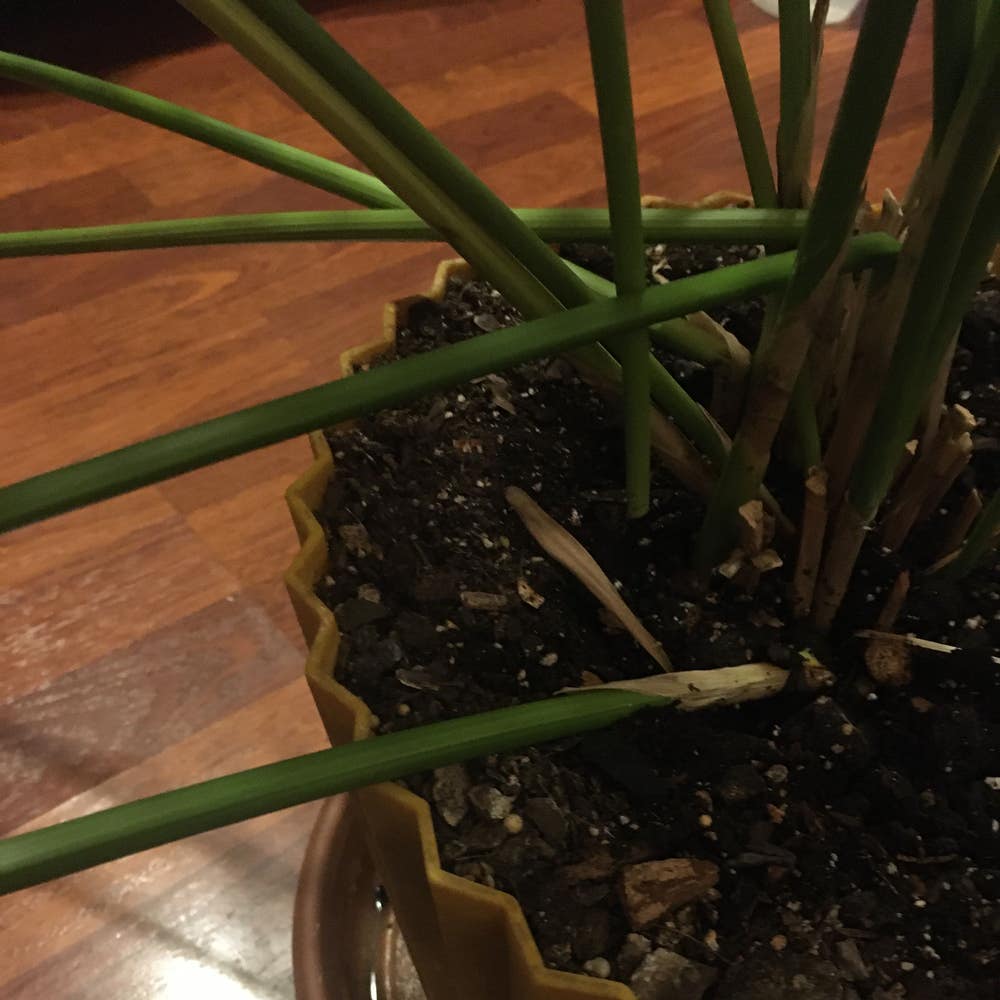
Container planting offers remarkable mobility. You can easily relocate your Egyptian papyrus to capture optimal sunlight or provide protection from harsh weather.
Additionally, it creates a controlled environment. This makes it simpler to manage soil quality and moisture levels, ensuring your plants thrive.
🚧 Drawbacks of container planting
However, container planting has its drawbacks. Limited root space can restrict growth and height, which may hinder your papyrus from reaching its full potential.
Moreover, you'll face increased watering frequency. Soil in containers dries out faster, requiring more attention to keep your plants hydrated.
🌳 Benefits of in-ground planting
On the other hand, in-ground planting provides natural growth conditions. With more space for roots to expand, your papyrus can grow larger and healthier.
It also offers better moisture retention. The soil remains consistently moist, which is ideal for this water-loving plant.
⚠️ Drawbacks of in-ground planting
Yet, in-ground planting comes with its own challenges. There's less mobility, making it difficult to relocate your plants if conditions change.
Additionally, you may encounter soil quality variability. This could necessitate amendments to ensure optimal growth.
🏡 Choosing the right option for your space
When deciding between container and in-ground planting, consider several factors. Think about your available space, climate conditions, and aesthetic preferences.
For those with small spaces, container gardening is often the best choice. It provides the flexibility needed to adapt to various environments while still allowing you to enjoy the beauty of Egyptian papyrus.
Transitioning to the next topic, understanding how to protect your papyrus from extreme weather is crucial for maintaining its health and vibrancy.
Weather Protection
🌩️ Strategies for protecting papyrus from extreme weather
When growing Egyptian papyrus, protecting your plants from extreme weather is crucial. During intense heat, consider providing shade using shade cloth or positioning taller plants nearby to shield them from direct sunlight.
Wind can also pose a threat to papyrus. Planting in sheltered areas or utilizing windbreaks can help minimize damage from strong gusts, ensuring your plants thrive in a stable environment.
🍂 Seasonal changes and their impact on care
Understanding seasonal growth patterns is essential for effective papyrus care. These plants actively grow during warm months, entering dormancy in winter, which means your care routine should adapt accordingly.
As temperatures and precipitation fluctuate, adjust your watering and fertilization schedules. This responsiveness helps maintain healthy growth and prepares your plants for seasonal changes.
❄️ Tips for winterizing papyrus in colder climates
In colder climates, winterizing your papyrus is vital for its survival. Start by applying a thick layer of mulch around the base of the plants to insulate the roots against freezing temperatures.
If you’re growing papyrus in containers, bringing them indoors can provide protection from frost and extreme cold. This simple step can make a significant difference in keeping your plants healthy through the winter months.
With these strategies in place, your papyrus will be well-equipped to handle the elements, allowing you to enjoy its beauty year-round.
Pest and Disease Management
🐜 Common Outdoor Pests Affecting Papyrus
When growing Egyptian papyrus, be on the lookout for common pests like aphids and spider mites. Aphids can be identified by curled leaves and a sticky residue, while spider mites leave fine webbing and cause stippled leaves.
⚠️ Signs of Disease in Papyrus Plants
Monitoring your plants for signs of disease is crucial. Yellowing leaves often indicate a nutrient deficiency or overwatering, while wilting despite adequate moisture may suggest root rot.
🧪 Organic and Chemical Control Methods
Controlling pests and diseases can be approached organically or chemically. Organic options like neem oil and insecticidal soap are effective for pest control, while systemic insecticides can be used for severe infestations.
🛡️ Preventative Measures for Pest and Disease Issues
Prevention is key to maintaining healthy papyrus plants. Regular inspections allow for early detection of pests and diseases, and maintaining plant health through proper watering, fertilization, and sunlight exposure can significantly reduce risks.
With these strategies in place, you can enjoy a thriving papyrus garden. Next, let’s explore seasonal care to keep your plants flourishing throughout the year.
Seasonal Care
Spring Care Tips for Egyptian Papyrus 🌱
As spring arrives, it's time to kickstart the growth of your Egyptian papyrus. Begin by fertilizing the plants as new growth appears, providing them with the nutrients they need to thrive.
Pruning is also essential during this season. Remove any dead or damaged stems to encourage fresh growth and maintain a healthy appearance.
Summer Care and Maintenance ☀️
Summer brings warmth, and your papyrus will need extra attention. Increase watering to ensure the soil remains consistently moist, as the heat can quickly dry it out.
Regularly monitor for pests, particularly aphids and spider mites. Catching these nuisances early can save your plants from significant damage.
Fall Preparation for Winter 🍂
As temperatures start to drop, it's time to prepare your papyrus for winter. Reduce watering frequency, allowing the soil to dry slightly, which helps the plants transition into dormancy.
Don't forget the final fertilization before winter sets in. This last feeding will support your plants as they rest and prepare for the next growing season.
Winter Care Considerations in Different Climates ❄️
In colder climates, protecting your papyrus from frost and freezing temperatures is crucial. Consider using mulch or other insulating materials to shield the roots.
For those in warmer climates, minimal care is needed during winter. Just keep an eye out for pests, as they can still be a problem even in cooler months.
With these seasonal care tips, your Egyptian papyrus will flourish throughout the year, setting you up for a vibrant garden. Next, let’s explore the best climate zones for growing this beautiful plant.
Climate Zone Considerations
Best climate zones for growing Egyptian Papyrus 🌞
Egyptian Papyrus thrives best in USDA zones 9-11. In these warmer climates, the plant can flourish without the worry of frost damage.
However, if you're in a colder zone, you'll need to take extra precautions. Frost protection becomes essential to ensure your papyrus survives the chill.
Adaptations for different climate conditions 🌦️
Adjusting your watering and fertilization routines is crucial based on your local climate. For instance, in hotter areas, you may need to increase watering frequency to keep the soil moist.
Additionally, consider choosing hardier varieties if available. These can withstand temperature fluctuations better than standard options.
Tips for growing papyrus in non-native climates 🌍
Container gardening offers flexibility, allowing you to move your papyrus to optimal spots. This is especially useful in microclimates where conditions may vary significantly.
Utilizing greenhouses or indoor spaces can also create ideal growth conditions. These environments help maintain the warmth and humidity that Egyptian Papyrus loves.
As you plan your papyrus garden, keep these climate considerations in mind. They can make all the difference in your plant's health and vibrancy.
⚠️ Safety First
This content is for general information and may contain errors, omissions, or outdated details. It is not medical, veterinary advice, or an endorsement of therapeutic claims.
Always consult a qualified healthcare professional before using any plant as food, medicine, or supplement.
Never eat any plant (or feed one to pets) without confirming its identity with at least two trusted sources.
If you suspect poisoning, call Poison Control (800) 222-1222, the Pet Poison Helpline (800) 213-6680, or your local emergency service immediately.
Spotted an error? Please report it here.
Cultivating Egyptian papyrus outdoors can be thriving 🌱 with Greg's personalized watering reminders and pest control tips that keep your plants healthy and flourishing!