Soil Recommendations for Papyrus
Cyperus papyrus
By the Greg Editorial Team
Jun 18, 2024•4 min read
This article was created with the help of AI so we can cover more plants for you. May contain errors. See one? Report it here.
- Mold and waterlogging harm Papyrus; improve drainage and airflow.
- Balance your soil mix with perlite, coarse sand, and organic matter.
- Nutrient-rich soil is crucial; use compost, worm castings, or slow-release fertilizer.
Spotting Trouble: Unhealthy Soil Signs for Papyrus
🍄 Moldy Menaces: Tackling Fungal Issues
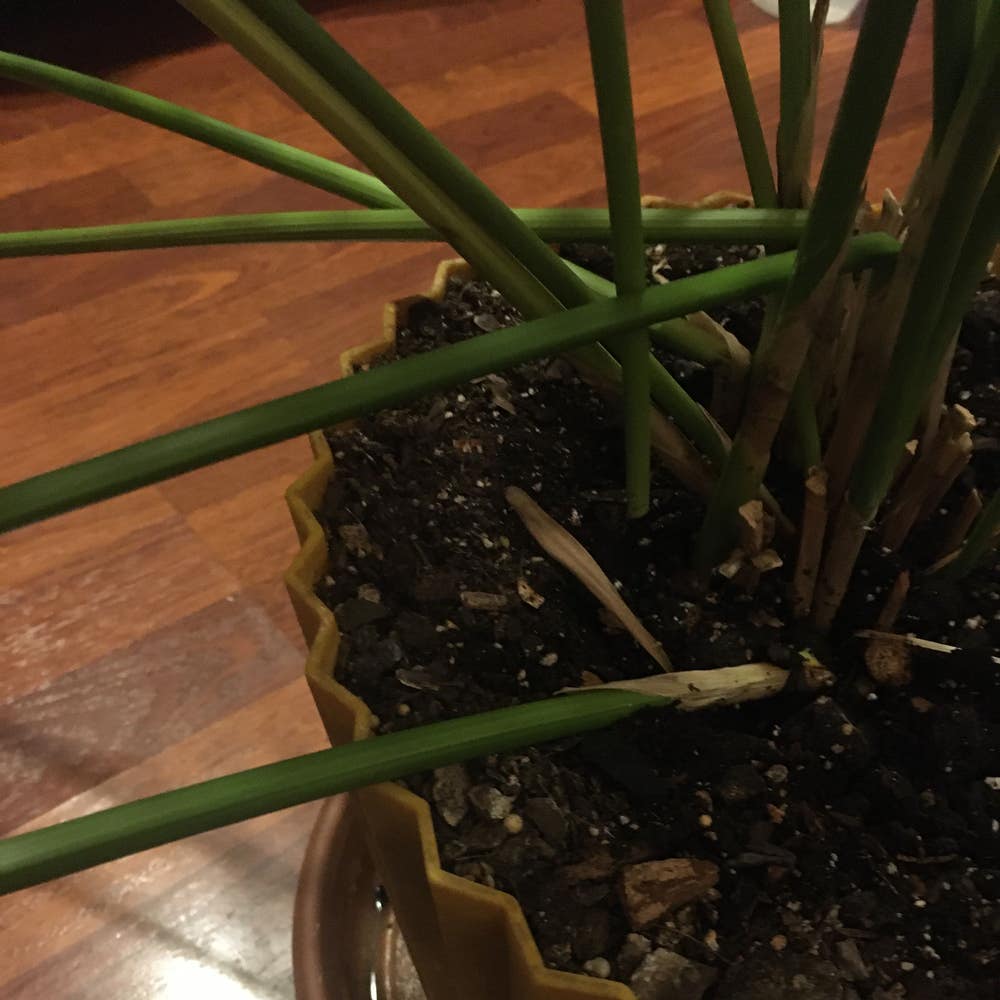
White fuzz or a musty smell on your Papyrus soil? That's mold, and it's bad news. It's telling you the moisture levels are off the charts and air circulation might as well be a myth in your plant's world.
Quick fixes: Cut back on the H2O and boost airflow. Think of it as giving your plant's roots a breath of fresh air.
💦 Drowning Roots: Dealing with Waterlogged Soil
Soil that's more saturated than a sponge in a rainstorm is a no-go for Papyrus. If the soil feels like a wet sponge, you've gone too far.
Simple steps: Introduce drainage-friendly materials like perlite. It's like giving your soil a pair of rain boots.
🌿 Hungry Plants: Spotting Nutrient Deficiencies
Yellow leaves are your Papyrus waving a flag of surrender. It's hungry for nutrients and not getting enough from its current setup.
Easy nutrient boosts: Mix in some compost or a balanced, slow-release fertilizer. It's like a buffet for your plant, offering all the goodies it's been missing.

Crafting the Perfect Papyrus Soil Mix
🏠 The Base: Choosing Your Primary Components
Creating a soil base for Papyrus is like building a house; it needs a solid foundation. All-purpose potting soil is your go-to, providing essential nutrients and structure. It's the bread and butter of your soil mix, but it can't work alone.
💦 The Texture: Balancing Moisture and Drainage
Perlite and coarse sand are the dynamic duo for drainage and aeration. They prevent your Papyrus from drowning in its own home by keeping the soil from becoming waterlogged. Think of them as the bouncers at the club, letting the right amount of water and air in and keeping the excess out.
🌱 The Nutrients: Enriching Your Soil
Supplements like worm castings or compost are the secret sauce, giving your Papyrus that extra zest. They're like the multivitamins for your plant, ensuring it gets all the necessary nutrients to grow tall and strong.

Choosing and Using Commercial Soil Mixes
🌿 Aquatic Plant Mixes: Are They Right for Papyrus?
When scouring the garden center for commercial soil mixes, don't just grab the first bag labeled "aquatic plant mix" and call it a day. Sure, they might be tailored for water dwellers, but papyrus is a special kind of diva. It craves a mix that's heavy on nutrient retention while still allowing its roots to take a breath. Look for mixes with kiln-fired clay particles—they're like the VIP lounge for papyrus roots, offering both stability and sustenance.
🌱 Modifying Commercial Mixes for Papyrus Perfection
But what if the commercial mix is just shy of perfect? Time to play soil mixologist. Start with a base of aquatic plant mix and consider the season. Hotter months might mean your papyrus is thirstier, so tweak the mix for extra moisture retention. Cooler times? Ease up on the water-holding components. Always check for perlite or pumice; they're your drainage dream team. And don't forget the organic matter—worm castings or compost are like a gourmet buffet for your papyrus. Lastly, eyeball that pH level. If it's not slightly acidic to neutral, your papyrus might throw a tantrum.

When Soil Goes Wrong: Reviving Your Papyrus
🦠 From Mold to Gold: Reviving Moldy Soil
First, scrape off any visible mold from the soil surface. This is your plant's cry for help, and you're the superhero swooping in. Next, cut back on the H2O—let the soil dry out between waterings. It's not a desert, but it shouldn't be a swamp either. Confirm the soil is dry before each watering; think of it as a 'consent check' for hydration.
If mold is stubborn, mix in some perlite or pumice. These are like the plant's personal trainers, getting that air circulation going. Remember, mold hates moving air like villains hate sunlight.
💧 Water Be Gone: Fixing Waterlogged Situations
Overly wet soil is a no-go. If your Papyrus is swimming rather than sitting, it's time for an intervention. Yellowing leaves or a spongy base are your red flags. Don't ignore them.
Long-term, invest in a soil mix that understands boundaries—good drainage is key. Consider repotting with a mix that's more 'loose lifestyle' than 'clingy partner'. And if you're into gadgets, a moisture meter can be your sidekick in this battle against boggy conditions.
🍽️ Feeding Time: Correcting Nutrient Imbalances
Nutrient levels dropping? It's like your plant is on a diet it never signed up for. Top-dress with compost or worm castings for a gourmet meal that slowly releases nutrients. Think of it as a slow-cooker for your plant's roots.
For a quick fix, a half-strength liquid fertilizer can be like an energy drink for your Papyrus. Just keep it off the leaves—this is a root party, not a foliage fiesta. And remember, moderation is key; too much of a good thing is still too much.
⚠️ Safety First
This content is for general information and may contain errors, omissions, or outdated details. It is not medical, veterinary advice, or an endorsement of therapeutic claims.
Always consult a qualified healthcare professional before using any plant as food, medicine, or supplement.
Never eat any plant (or feed one to pets) without confirming its identity with at least two trusted sources.
If you suspect poisoning, call Poison Control (800) 222-1222, the Pet Poison Helpline (800) 213-6680, or your local emergency service immediately.
Spotted an error? Please report it here.
Revitalize your Papyrus with perfect soil 🪴 by letting Greg tailor your watering and fertilizing schedule from these expert tips!