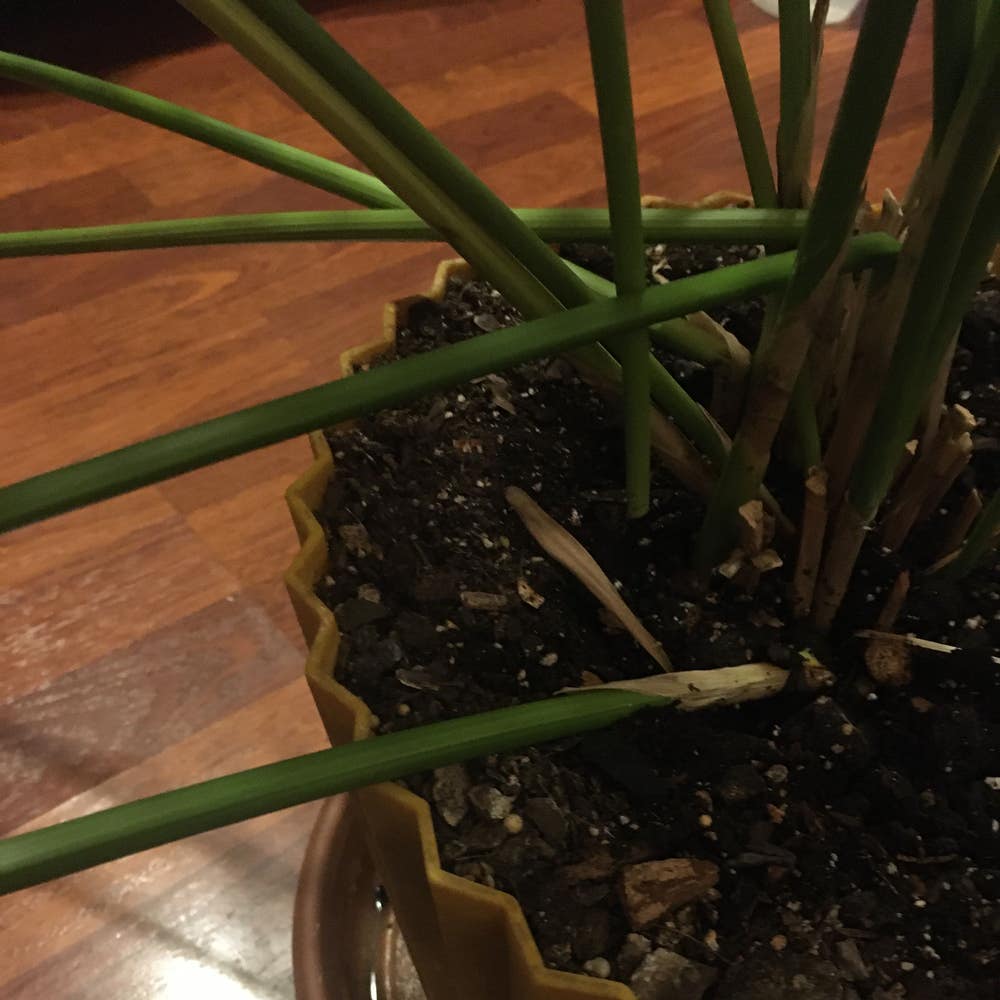
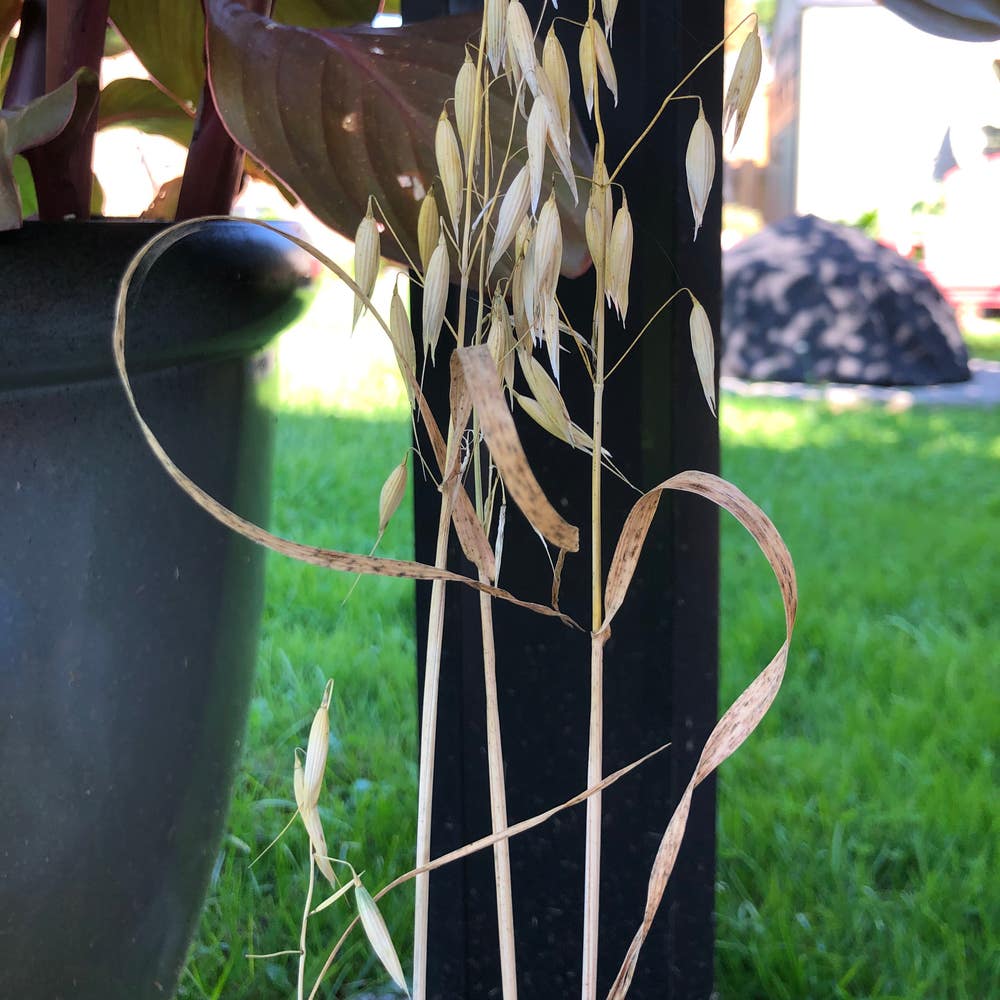
6 Perfect Plant Partners for Papyrus 🐟
Cyperus papyrus
By the Greg Editorial Team
Sep 30, 2024•5 min read
This article was created with the help of AI so we can cover more plants for you. May contain errors. See one? Report it here.
- 🌼 Water Lilies and Cattails are perfect companions, enhancing aesthetics and managing pests.
- 🌿 Marsh Marigolds and Blue Flag Iris thrive in wet areas, complementing Papyrus beautifully.
- 🌱 Avoid Common Reed; it competes aggressively with Papyrus for resources.
Best Companion Plants for Papyrus
🌸 Water Lilies
Water lilies are a fantastic companion for Papyrus due to their similar care needs. They thrive in shallow water and require full sun to partial shade, just like Papyrus.
These beautiful plants also create a stunning visual contrast with the tall structure of Papyrus, enhancing the overall aesthetic of your garden.
🌾 Cattails
Cattails serve as a natural pest management tool, deterring certain pests that may affect Papyrus. Their ability to thrive in wetland environments makes them a perfect habitat companion.
By planting cattails alongside Papyrus, you can enhance the ecosystem of your garden, promoting a balanced environment.
🌼 Marsh Marigold
With their bright yellow flowers, marsh marigolds provide a striking color contrast to the green foliage of Papyrus. They prefer moist, shady areas, which complements the habitat needs of Papyrus.
This visual appeal not only brightens your garden but also supports the overall health of your plant community.
🌊 Pickerel Rush
Pickerel rush is another excellent choice, thriving in shallow water like Papyrus. Its moisture requirements align perfectly, making it a compatible partner.
Additionally, pickerel rush attracts beneficial insects, serving as a habitat for pollinators and enhancing biodiversity in your garden.
🌿 Blue Flag Iris
The blue flag iris adds both aesthetic and ecological benefits to your garden. Its beautiful blue flowers attract pollinators while providing visual interest.
This plant thrives in wet, marshy areas, aligning well with the growth conditions of Papyrus, making it a harmonious addition.
🌈 Lobelia
Lobelia brings vibrant colors to your garden, enhancing its visual appeal. Its colorful blooms are not only eye-catching but also attract pollinators.
By encouraging beneficial insects, lobelia contributes to a healthy ecosystem, making it a valuable companion for Papyrus.
These companion plants not only support the growth and health of Papyrus but also create a visually stunning garden. Next, we’ll explore which plants to avoid near Papyrus to ensure a thriving environment.
Plants to Avoid Near Papyrus
🌾 Common Reed
Common Reed can be a sneaky competitor in your garden. Its aggressive growth often overshadows Papyrus, leading to resource depletion that can stunt your plant's development.
🚫 Invasive Species
Invasive species pose a significant threat to Papyrus health. They can outcompete it for nutrients and space, ultimately hindering its growth and vitality.
By being mindful of these plants, you can create a thriving environment for your Papyrus. Next, let’s explore how companion planting can enhance pest management in your garden.
Pest Management through Companion Planting
Companion planting is a powerful strategy for managing pests in your garden. By selecting the right plants, you can create a natural barrier against harmful insects that threaten your Papyrus.
🌱 How Companion Plants Can Deter Pests
Certain companion plants release natural compounds that repel pests. These plants can create a protective environment, reducing the need for chemical pesticides.
🐞 Examples of Pest-Repellent Properties in Companion Plants
Cattails: These resilient plants not only thrive in wetland conditions but also deter pests that may harm Papyrus. Their presence can enhance the overall health of your garden ecosystem.
Marsh Marigold: Known for its bright yellow flowers, this plant also helps repel certain insects. Its vibrant blooms are a bonus for both aesthetics and pest management.
Blue Flag Iris: This stunning flower attracts beneficial insects while keeping harmful pests at bay. Its compatibility with Papyrus makes it an excellent companion.
By incorporating these plants into your garden, you can foster a healthier environment for your Papyrus. This approach not only enhances biodiversity but also creates a more resilient ecosystem.
As you plan your garden, consider how these companion plants can work together to protect your Papyrus while adding beauty and vibrancy. Next, let’s explore how to create a visually appealing garden design that incorporates these companions effectively.
Visual Appeal and Garden Design
Creating a visually appealing garden with Papyrus and its companion plants is all about harmony. Consider the interplay of color, height, and texture when selecting your plants.
🎨 Importance of Color, Height, and Texture
Color can dramatically influence the mood of your garden. Pair the lush green of Papyrus with vibrant blooms from companions like Lobelia or Blue Flag Iris for a striking contrast.
Height variation adds depth to your garden. The tall stature of Papyrus can be beautifully complemented by shorter plants like Marsh Marigold, creating a layered effect.
Texture also plays a crucial role. The feathery leaves of Papyrus contrast nicely with the broad leaves of Cattails, enhancing visual interest.
🌱 Tips for Arranging Companion Plants
Arranging your plants thoughtfully can elevate your garden's aesthetic. Start by grouping plants with similar moisture needs together to ensure they thrive.
Consider spacing your plants to allow for growth. A good rule of thumb is to plant taller species like Papyrus at the back and shorter ones in front, creating a natural flow.
Layering is key. Mix plants of varying heights and textures to create a dynamic landscape. For instance, place Pickerel Rush alongside Water Lilies for a stunning water feature.
💭 Final Thoughts
By thoughtfully combining color, height, and texture, you can create a garden that not only looks beautiful but also supports a thriving ecosystem. This approach not only enhances visual appeal but also fosters a sense of balance and harmony in your outdoor space.
Next, let’s explore the plants to avoid near Papyrus to ensure your garden remains healthy and vibrant.
⚠️ Safety First
This content is for general information and may contain errors, omissions, or outdated details. It is not medical, veterinary advice, or an endorsement of therapeutic claims.
Always consult a qualified healthcare professional before using any plant as food, medicine, or supplement.
Never eat any plant (or feed one to pets) without confirming its identity with at least two trusted sources.
If you suspect poisoning, call Poison Control (800) 222-1222, the Pet Poison Helpline (800) 213-6680, or your local emergency service immediately.
Spotted an error? Please report it here.
Elevate your Papyrus garden with perfect companions like Water Lilies and Cattails, and let Greg provide tailored care reminders 🌱 to keep your vibrant ecosystem flourishing!