Why Are There Brown Spots on My Papyrus?
Cyperus papyrus
By the Greg Editorial Team
Jun 18, 2024•4 min read
This article was created with the help of AI so we can cover more plants for you. May contain errors. See one? Report it here.
- 🌞 Too much sun leads to leaf burn, causing those unsightly brown spots.
- 💧 Water wisely to prevent and fix brown spots on Papyrus.
- 🍄 Fungal infections? Treat promptly to maintain Papyrus vitality.
Spotting the Trouble: Recognizing Brown Spots on Your Papyrus
🕵️♂️ Visual Signs of Brown Spots
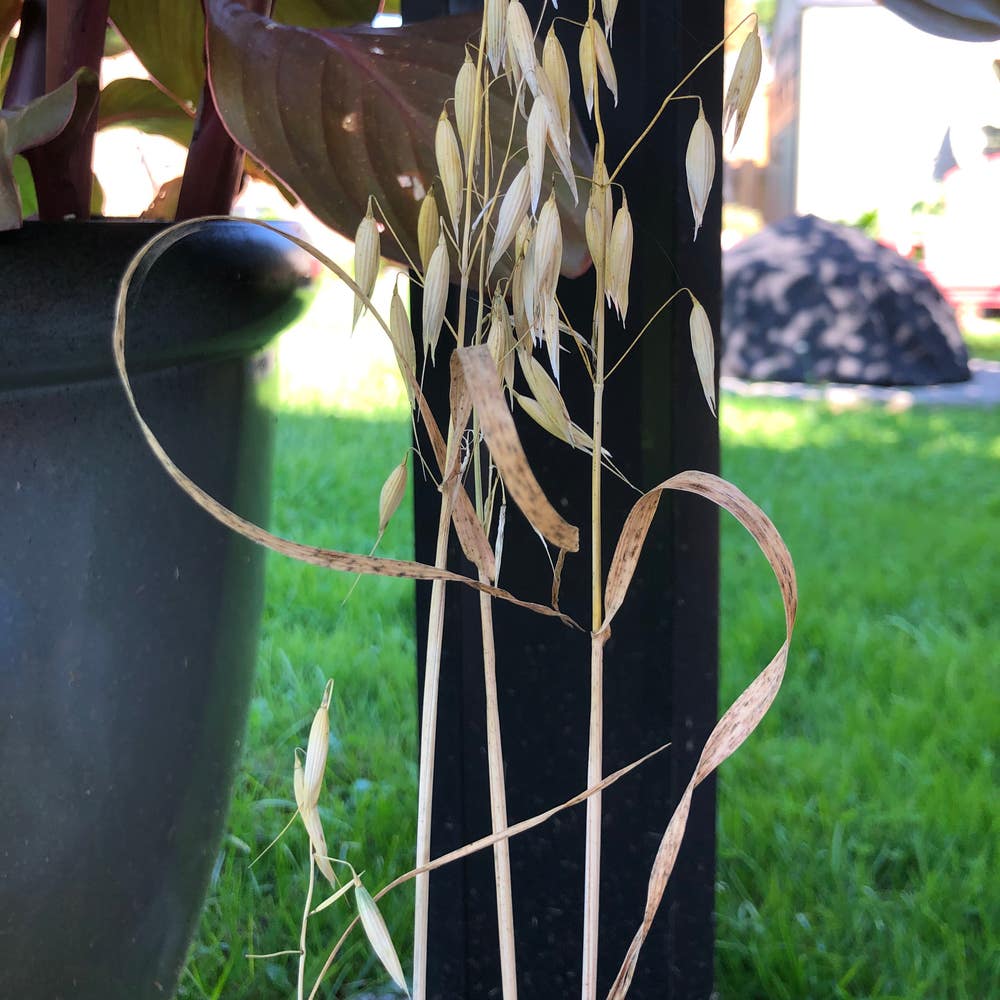
Initially, brown spots may show up as tiny speckles on your Papyrus plant. If you're not vigilant, these can expand into larger, more ominous blotches. Consistency in appearance is a red flag; if you're seeing a pattern of spots across the leaves, it's time to sit up and take notice. Location is also a clue; they could be on the leaf edges or smack in the center, but either way, they're unwelcome guests.
The Impact on Plant Health
Let's be real: brown spots are more than just a cosmetic issue. They can signal that your Papyrus is in distress, potentially affecting its overall vitality. If the spots are accompanied by a yellow halo, it's like your plant is screaming for help. And don't even get me started on webbing—that's your cue that spider mites have decided to crash the party. Keep an eye on these spots; what starts as a small blemish can escalate to a full-blown leafy crisis.

The Usual Suspects: Pinpointing the Causes of Brown Spots
☀️ Too Much Sun, Too Little Shade
Papyrus plants love the sun, but too much can lead to a nasty case of leaf burn. It's the equivalent of a plant sunburn, where leaves develop crispy, brown spots as a cry for shade.
💧 Water Woes: Over and Under
Watering is a balancing act. Too little, and you'll see dry, brittle spots; too much, and you'll get soft, dark areas. Both extremes can lead to the dreaded brown spots, signaling that your watering game needs a tweak.
🍄 Fungal Foes: Infections Causing Spots
Fungi are stealthy invaders, often leaving a yellow halo around their brown spot calling cards. Anthracnose and rust are the usual suspects, with the former causing irregular spots and the latter showing up as raised pustules. These are not just cosmetic issues; they're health hazards for your Papyrus.

Turning Over a New Leaf: Effective Remedies for Brown Spots
💡 Light Level Optimization
Adjusting your Papyrus's exposure is crucial. If it's getting too much direct sunlight, it's time to play matchmaker with a shadier spot or introduce a sheer curtain to soften the blow. Remember, Papyrus plants prefer bright, indirect light—think of it as their comfort zone.
🚰 Watering Wisdom
Watering routines need finesse. Before you drench the soil, do the two-inch finger test. If dry, water; if not, wait. This isn't just a ritual; it's a lifeline for your plant. Overwatering invites root rot, while underwatering sends a distress signal via brown spots. Find that moisture equilibrium and stick to it.
🛡️ Fungus Among Us: Treatment Tactics
When fungal foes gatecrash, it's time to show them the door. Start by removing infected leaves to prevent a domino effect. Boost air circulation—your plant needs to breathe, too. If you're reaching for fungicides, go for neem oil or potassium bicarbonate solutions. Apply with precision, like a sniper rather than a shotgun.

Staying Spot-Free: Proactive Prevention Strategies
🕵️ Spot-Check: Regular Monitoring
Inspect your Papyrus regularly; think of it as a health check for your green buddy. Early detection of brown spots can save you from a leafy disaster. Look for signs of distress in new growth—it should be vibrant and unblemished.
🌿 Creating the Ideal Papyrus Environment
Location is key. Place your Papyrus where it gets indirect light and is shielded from the harsh midday sun. Ensure the humidity is just right—aim for that 40-60% sweet spot. Use a hygrometer to monitor and a humidifier or dehumidifier to adjust the levels.
💧 The Watering Sweet Spot
Watering is an art—aim for soil that's moist like a wrung-out sponge. Use room-temperature water to avoid root shock. Drainage is crucial; make sure your pot lets excess water escape. Water early in the day, and always at the base, to keep leaves dry and happy.
⚠️ Safety First
This content is for general information and may contain errors, omissions, or outdated details. It is not medical, veterinary advice, or an endorsement of therapeutic claims.
Always consult a qualified healthcare professional before using any plant as food, medicine, or supplement.
Never eat any plant (or feed one to pets) without confirming its identity with at least two trusted sources.
If you suspect poisoning, call Poison Control (800) 222-1222, the Pet Poison Helpline (800) 213-6680, or your local emergency service immediately.
Spotted an error? Please report it here.
Prevent brown spots 🍂 on your Papyrus with Greg's tailored environment monitoring and precise watering reminders, ensuring your plant thrives in its ideal conditions.