🌵 My Mini Cholla Leaves Are Turning Yellow. What Should I Do?
Cylindropuntia 'Mini Cholla'
By the Greg Editorial Team
Mar 12, 2024•5 min read
This article was created with the help of AI so we can cover more plants for you. May contain errors. See one? Report it here.
Save your Mini Cholla from yellow peril 🌵 with our guide to pinpointing and fixing the root causes!
- Yellow leaves signal distress or natural aging in Mini Cholla.
- Balance water, light, and temperature to prevent yellowing.
- Immediate action and routine care are key to recovery and prevention.
Spotting the Signs: When Yellow Means Caution
🍂 Identifying Yellowing Leaves
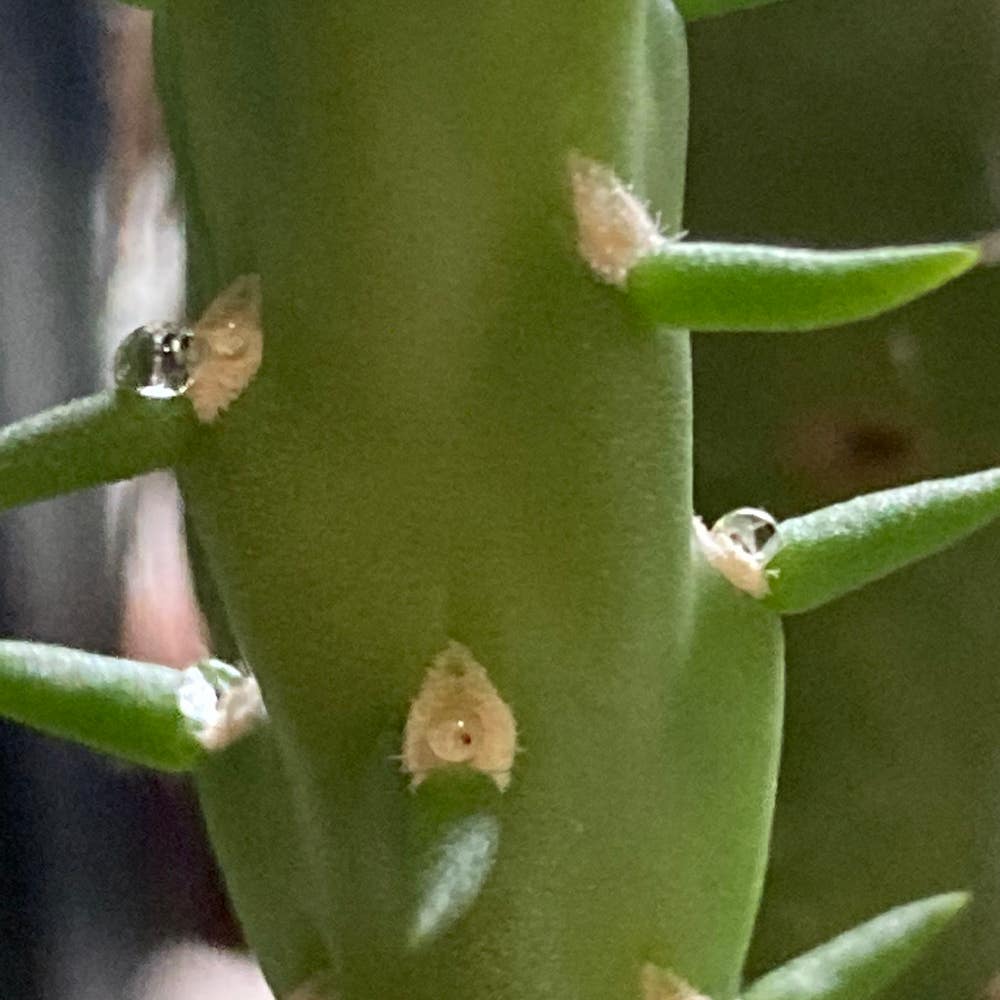
Yellow leaves on a Mini Cholla are like a check-engine light; they signal it's time for a closer look. Natural aging sees older leaves fade away, but when new growth starts to yellow, consider it a plant cry for help.
🕵️ Differentiating Between Aging and Distress
Yellow isn't always a death sentence for leaves. It's the circle of life for the old ones to bow out. But if the plant's crown is looking less royal and more jaundiced, that's your cue to dive into your care routine. Check for dryness or mushiness—these are the extremes you want to avoid.
🌿 The Context of Yellow
Context is king. A single yellow leaf might just be a fluke, but a pattern of yellowing suggests a systemic issue. Look beyond the leaves; is the soil bone-dry or swampy? Are the roots firm or a soggy disaster? These clues will guide your plant triage.
🌞 The Role of Environment
Don't forget, your Mini Cholla isn't just about soil and water. It's a whole environmental package. Too much sun can turn leaves yellow faster than a lemonade stand sells out on a hot day. And if the temperature swings more than a pendulum, your cactus might protest with yellow leaves. Aim for stable conditions—your plant will thank you.
🛠 Proactive Plant Parenting
Be a plant detective. Regular check-ups are less helicopter parenting and more savvy surveillance. Catching a yellowing leaf early can mean the difference between a quick fix and a plant funeral. Remember, when it comes to pots, drainage is non-negotiable. Terra cotta is your friend here; it's breathable and stylish to boot.
🚨 Spotting Trouble Before It's Too Late
Keep an eye out for the subtleties—a growth slowdown, leaves with the crunch of fall leaves, or soil pulling a disappearing act from the pot's edge. These are your Mini Cholla's whispers for help. Listen closely, and act swiftly.
Section
Creating the Ideal Mini Cholla Environment
🌞 Sunbathing Guidelines
Bright light is non-negotiable for your Mini Cholla, but direct midday sun is a no-go. Position it to catch the gentle morning rays or a spot with bright, indirect light. If indoors, an east-facing window is your best bet. Too much sun can lead to a sunburned cactus, while too little can cause etiolation—when your plant stretches out like it's searching for the sun.
🧊 Keeping the Chill Away
Mini Chollas aren't fans of the cold. They prefer temperatures that stay above 32° F. Indoors, keep your cactus away from drafty windows or doors. Outdoors, they're hardy in USDA zones 8 to 10, but if you're pushing those limits, consider a protective measure like a frost cloth when temperatures dip. Remember, stability is key; fluctuating temperatures can stress your plant out.
Nutrient Know-How: Feeding Your Mini Cholla Right
💡 Zeroing in on Fertilizer
Fertilizing your Mini Cholla is less about sticking to a strict schedule and more about observing your plant's cues. A light application of a balanced fertilizer during the growing season can enhance your cactus's health. Look for a low-nitrogen mix, something akin to a 5-10-10 N-P-K ratio, to avoid spurring weak stem growth. Over-fertilization can be detrimental, causing yellowing leaves, so if you notice a crust of fertilizer on the soil or wilting leaves, it's time to ease up.
🌱 The pH Factor
Soil acidity can make or break your Mini Cholla's ability to absorb nutrients. Aim for a soil pH that's just right—not too acidic, not too alkaline. If your plant's leaves start to yellow, it might be a sign that the pH is off, blocking nutrient uptake. You can lower the pH with ammonium-based fertilizers or by acidifying your irrigation water. Regularly amending the soil helps maintain a nutrient-rich environment, keeping those leaves vibrant and green.
Turning Over a New Leaf: Recovery and Prevention
🌵 Reviving Your Mini Cholla
Immediate action is crucial when you spot yellowing leaves on your Mini Cholla. Start by assessing the soil moisture; if it's waterlogged, give your plant a dry spell by withholding water until the top inch of soil feels dry. Conversely, if the soil is Sahara-dry, it's time to quench your cactus's thirst with a thorough watering.
Check the light exposure; too much sun can scorch leaves, while too little can weaken your plant. Aim for bright, indirect light. If pests are gatecrashing, show them the door with a gentle insecticidal soap or neem oil treatment.
🔄 Routine Check-Up
Establish a care routine to prevent future yellowing. Regularly inspect your Mini Cholla for early signs of distress. Ensure the pot has adequate drainage and that you're not over-loving with water.
Fertilize sparingly; a balanced, low-nitrogen option during the growing season is sufficient. Monitor the ambient temperature, as Mini Chollas dislike the cold. Lastly, keep an eye on soil pH levels—slightly acidic to neutral is the sweet spot.
Remember, recovery is a journey. With patience and consistent care, your Mini Cholla can return to its vibrant self.
⚠️ Safety First
This content is for general information and may contain errors, omissions, or outdated details. It is not medical, veterinary advice, or an endorsement of therapeutic claims.
Always consult a qualified healthcare professional before using any plant as food, medicine, or supplement.
Never eat any plant (or feed one to pets) without confirming its identity with at least two trusted sources.
If you suspect poisoning, call Poison Control (800) 222-1222, the Pet Poison Helpline (800) 213-6680, or your local emergency service immediately.
Spotted an error? Please report it here.
Nurture your Mini Cholla back to health by letting Greg's customized reminders 🌵 guide you through the recovery from yellow leaves with the right light, water, and care!