🌵 Does My Mini Cholla Need Direct Sunlight?
Cylindropuntia 'Mini Cholla'
By the Greg Editorial Team
Mar 12, 2024•3 min read
This article was created with the help of AI so we can cover more plants for you. May contain errors. See one? Report it here.
Learn the sunny secret to a thriving Mini Cholla and avoid common light mishaps 🌞🌵.
- 🌵 Mini Cholla loves sunlight, but beware of sunburn and energy starvation.
- Window direction matters: South or north-facing affects Mini Cholla's sun intake.
- Seasonal shifts count: Adjust Mini Cholla's spot and watering with the sun's path.
Sunlight Simplified: Direct vs. Indirect
🌞 What is Direct Sunlight?
Imagine the sun as a giant flashlight shining directly on a Mini Cholla, casting a sharp, defined shadow. This is direct sunlight, unfiltered and unapologetic, delivering a full dose of solar power to the plant.
🌞 Direct vs. Indirect Sunlight
Direct sunlight is the plant world's equivalent of a summer tan session—intense and direct. Indirect sunlight, on the other hand, is like lounging in the shade of a tree; it's still light, but diluted. The difference is crucial for your Mini Cholla's well-being, as too much direct light can cause a sunburn, while too little leaves it starved for energy.
Mini Cholla's Sunlight Saga
🌞 Mini Cholla's Native Sun Worship
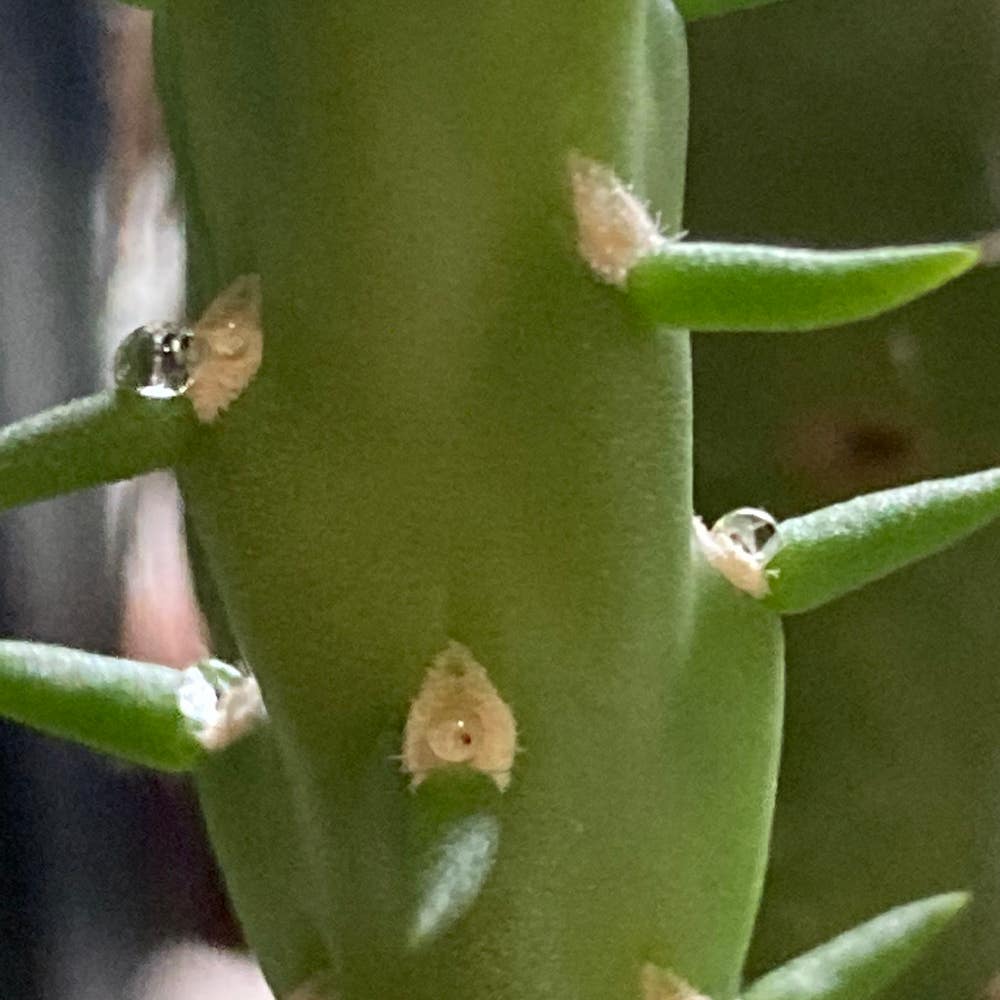
Mini Cholla, or Cylindropuntia, thrives in the sun-drenched expanses of northern Mexico and the southwestern United States. Its cylindrical stems, armed with tenacious barbs, are a testament to its resilience in the face of relentless solar exposure.
🌅 Direct Sunlight: Friend or Foe?
For Mini Cholla, direct sunlight is a complex ally. While it revels in bright conditions, the scorching summer sun can push the relationship to a breaking point. Moderation is key; a balance between ample sunlight and protection during peak intensity ensures a happy cactus. Keep an eye out for signs of sun stress, such as discoloration, and be ready to shift its position to maintain that perfect sun-to-shade ratio.
Windows and Hemispheres: The Sunlight Strategy
🌞 Window Direction Decoded
In the Northern Hemisphere, south-facing windows are the sun's catwalk, flaunting daylight for the better part of the day. Your Mini Cholla, if it could, would strut down this sunny runway with glee. Conversely, north-facing windows offer a more subdued light, akin to a backstage area where the sun's rays are a rare guest appearance.
East-facing windows serve up a breakfast of gentle morning light, while west-facing ones dish out a dinner of intense afternoon rays. Positioning your Mini Cholla here requires a careful balancing act to avoid the scorch of the spotlight.
🌍 Hemisphere Hints
Flip the globe to the Southern Hemisphere, and the roles reverse: north-facing windows become the main stage for sunlight. Here, south-facing windows are the understudies, providing less intense light that might just be perfect for your Mini Cholla's preference.
Seasons also play a part in this solar dance, with the sun's path shifting throughout the year. Keep a vigilant eye on your prickly friend, shuffling it to catch the ideal light as the earth tilts and turns.
Keeping Mini Cholla Happy in the Sun
🌵 Spotting Sun Stress Signals
When your Mini Cholla starts looking more like a sunburnt tourist than a desert native, it's time for some shade. Discoloration and dry patches are the plant's version of waving a white flag. Leaves drooping or stretching indicate it's either reaching for more light or begging for a break. If the leaves feel too warm or show signs of curling, that's your cue to dial down the sun exposure.
🌞 Seasonal Sunlight Shifts
As the earth tilts and twirls, your Mini Cholla's sun needs shift with the seasons. During winter, when the sun is a lazy riser and an early quitter, let your cactus soak up those weaker rays. Come summer, though, you'll want to protect your spiky friend from the midday glare—think siesta in the shade. Remember, consistency is key; keep the light bright but filtered to avoid turning your Mini Cholla into a crispy critter. Rotate the pot occasionally for even growth and adjust watering to match the sun's intensity—more in the scorching months, less when it's cooler.
⚠️ Safety First
This content is for general information and may contain errors, omissions, or outdated details. It is not medical, veterinary advice, or an endorsement of therapeutic claims.
Always consult a qualified healthcare professional before using any plant as food, medicine, or supplement.
Never eat any plant (or feed one to pets) without confirming its identity with at least two trusted sources.
If you suspect poisoning, call Poison Control (800) 222-1222, the Pet Poison Helpline (800) 213-6680, or your local emergency service immediately.
Spotted an error? Please report it here.
Ensure your Mini Cholla thrives 🌵 with Greg's tailored care plan that adjusts to the sun's seasonal dance, keeping your spiky friend perfectly poised for growth.