🌵 How and When Should I Cut Back My Mini Cholla?
Cylindropuntia 'Mini Cholla'
By the Greg Editorial Team
Mar 12, 2024•3 min read
This article was created with the help of AI so we can cover more plants for you. May contain errors. See one? Report it here.
Ensure your Mini Cholla dazzles 🌵✂️ by mastering the perfect pruning season for health and beauty!
- Spring pruning aligns with Mini Cholla's growth spurt.
- 🌵 Use precision tools for clean cuts above growth nodes.
- Prune for health and beauty, avoiding fertilization post-trim.
Snip in Time: When to Prune Your Mini Cholla
🌸 Understanding the Best Season
Spring is the prime time for pruning your Mini Cholla. As the days lengthen and temperatures rise, your cactus prepares for a growth spurt, making it the ideal moment to make your cuts. Avoid the temptation to prune during the intense heat of summer or the dormancy of winter; these are times when your plant is least prepared to recover.
🔄 Syncing with Growth Cycles
Align your pruning schedule with the Mini Cholla's natural rhythm. From early spring to mid-summer is when your cactus is in its active growth phase. Pruning during this period encourages the plant to direct its energy towards healing and producing new, vigorous growth. Remember, timing is not just a suggestion; it's a critical factor for the health and aesthetics of your Mini Cholla.
Making the Cut: Pruning Techniques for Mini Cholla
🌵 Choosing Your Tools
For precision pruning of your Mini Cholla, you'll need tools that mean business. Micro snips or bonsai shears are your go-to for making clean cuts without the carnage. Sterilize them before and after use; think of it as hygiene for your plant's health.
🎯 Where to Snip
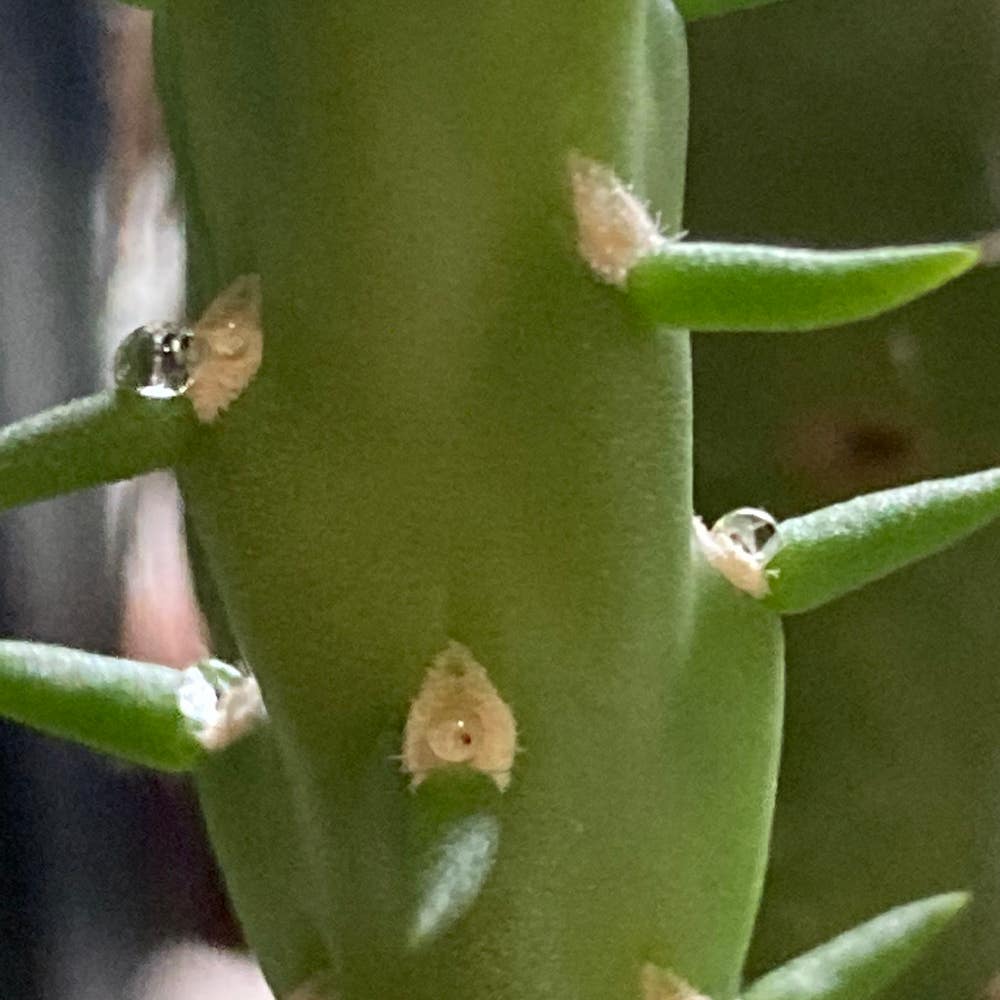
Identify the growth nodes—these are the spots where new branches or flowers will emerge. Aim just above these when you snip. It's like giving your Mini Cholla a roadmap for where to grow next. Remove any dead or damaged sections with a decisive cut to keep your cactus in fighting form.
🌱 Shaping for Show
Visualize your Mini Cholla as a living sculpture. Trim conservatively to enhance its natural form, always considering the future silhouette of your spiky masterpiece. Each snip is a strategic move in the chess game of growth, so plan your cuts to direct the plant's energy where you want it most.
Pruning for Perfection: Aesthetic and Health Benefits
✂️ Trimming for Beauty
Pruning your Mini Cholla isn't just about keeping it alive; it's about showcasing its unique charm. Think of it as a haircut that brings out the best features of a person. Strategic snips can transform a scruffy cactus into a living sculpture, enhancing its natural symmetry and ensuring it doesn't become the plant version of a bad hair day.
🚪 Cutting Out Problems
When it comes to the health of your Mini Cholla, pruning is your first line of defense. Damaged or diseased sections are like open doors for pests and infections. By cutting these out, you effectively slam that door shut and protect the plant. Remember, it's not about the number of cuts but the precision of each one. Use sterilized tools to make clean cuts, and your Mini Cholla will thank you with robust growth.
Post-Pruning Care: Ensuring a Speedy Recovery
🚨 Monitoring for Stress
After pruning your Mini Cholla, vigilance is essential. Look for signs of recovery, such as new growth, which indicates a positive response. Conversely, be alert for distress signals like discoloration or wilting, which suggest your plant is struggling. Adjust care routines promptly if you notice any of these red flags.
🌱 Encouraging Regrowth
To promote healthy regrowth, avoid fertilizing immediately after pruning; your Mini Cholla isn't ready for a full meal yet. A light application of vitamin B complex can act as a tonic for the roots. Ensure the plant receives bright, indirect light and consistent watering—wait until the top inch of soil is dry before watering again. This careful balance of conditions will support your Mini Cholla as it heals and begins to flourish anew.
⚠️ Safety First
This content is for general information and may contain errors, omissions, or outdated details. It is not medical, veterinary advice, or an endorsement of therapeutic claims.
Always consult a qualified healthcare professional before using any plant as food, medicine, or supplement.
Never eat any plant (or feed one to pets) without confirming its identity with at least two trusted sources.
If you suspect poisoning, call Poison Control (800) 222-1222, the Pet Poison Helpline (800) 213-6680, or your local emergency service immediately.
Spotted an error? Please report it here.
Trim your Mini Cholla for a healthy growth spurt this spring 🌵 with the aid of Greg's tailored care reminders and expert tips!