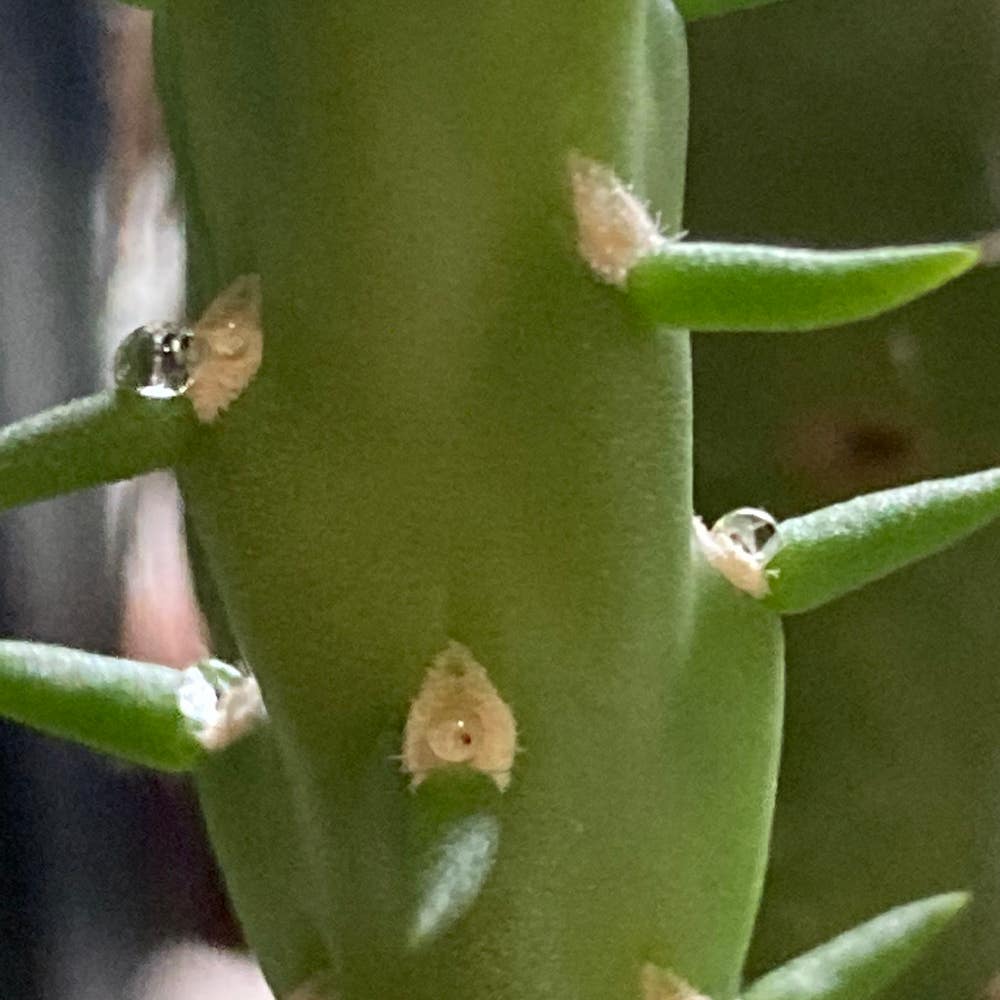
Step-by-Step Guide to Fertilizing Your Mini Cholla
Cylindropuntia 'Mini Cholla'
By the Greg Editorial Team
Jul 21, 2024•5 min read
This article was created with the help of AI so we can cover more plants for you. May contain errors. See one? Report it here.
Nurture vibrant Mini Cholla blooms 🌵 with tailored fertilization—your green thumb's secret weapon!
- 🌵 Fertilize in growth phase, avoid winter to match Mini Cholla's cycle.
- 🌸 Use cactus-specific fertilizer for balanced nutrition and healthy blooms.
- ⚠️ Monitor for over-fertilization; adjust care based on plant's feedback.
Fertilization Schedule
📆 Identifying Growth Stages
Mini Cholla's growth cycle is your calendar for fertilization. Here's how to sync your schedule:
- Early Spring to Mid Summer (March to July): This is prime time for fertilizing as Mini Cholla enters its active growth phase.
- Winter Months: Hold off on fertilizing. Mini Cholla is dormant and won't appreciate the extra nutrients.
🌿 Seasonal Considerations
Seasons change, and so do Mini Cholla's needs. Keep these tips in mind:
- Temperature Shifts: As the mercury rises above 70 ºF, it's a signal to start fertilizing. Below 50 ºF, it's time to ease off.
- Sunlight: Bright sunlight is crucial during the growing season, but protect your Mini Cholla from intense summer rays.
- Watering: Water sparingly in winter. During the growing season, water more frequently but allow the soil to dry out between sessions.
Selecting Fertilizers
NPK Ratio Importance
The NPK ratio is a critical factor in choosing the right fertilizer for your Mini Cholla. Here's why each element matters:
- Nitrogen (N): Essential for foliage growth, but too much can lead to excessive greenery and fewer blooms.
- Phosphorus (P): Encourages root development and flowering, which is vital for Mini Cholla's showy display.
- Potassium (K): Supports overall plant health, including disease resistance and temperature tolerance.
A balanced fertilizer with lower nitrogen and higher phosphorus and potassium is ideal for Mini Cholla, as it promotes healthy blooms without causing unnecessary leaf growth.
🌵 Cactus-Specific vs. General Fertilizers
When it comes to fertilizing Mini Cholla, not all fertilizers are created equal. Here's a quick comparison:
- Cactus-Specific Fertilizers:
- Tailored to the unique nutritional needs of cacti.
- Often have a lower nitrogen content to prevent overgrowth.
- Include the right balance of phosphorus and potassium for robust blooms and resilience.
- General Fertilizers:
- May not provide the optimal NPK ratio for cacti.
- Can lead to imbalanced growth or over-fertilization issues.
- Might lack the specific micronutrients that Mini Cholla requires.
Choosing a cactus-specific fertilizer will ensure your Mini Cholla gets the nutrients it needs without the risk of nutrient imbalances that can occur with general-purpose products.
Fertilizing Mini Cholla
🌱 Preparation Steps
Before you introduce any nutrients, ensure your Mini Cholla is primed to receive them. Start by watering the plant thoroughly; this preps the soil, allowing the fertilizer to distribute evenly and reduces the risk of root burn.
- Check the soil moisture; it should be damp, not saturated.
- Clean the area around the plant to prevent pests that can thrive in the debris.
🎨 Application Techniques
The way you feed your Mini Cholla is crucial for its well-being. Here's how to do it right:
- Dilute the fertilizer to half the recommended strength to avoid nutrient overload.
- Apply the mix to the base of the plant, steering clear of the stem to prevent damage.
- Spread it evenly, ensuring that all roots have access to the nutrients.
- After application, water lightly to help the fertilizer seep into the soil.
Remember, the goal is to nourish, not overwhelm your Mini Cholla. Keep a watchful eye on its response and adjust your technique if needed.
Avoiding Over-Fertilization
Recognizing Signs of Excess 🚩
Mini Cholla, like any other plant, can suffer from too much of a good thing. Over-fertilization can manifest in several ways:
- Stunted growth or a sudden collapse of the plant structure.
- Yellowing or browning of the stems, which may indicate nutrient burn.
- A white crust of mineral salts on the soil surface, signaling an accumulation of excess fertilizer.
Corrective Measures 🛠️
If you suspect your Mini Cholla has had an overdose of nutrients, here's how to intervene:
- Stop fertilizing immediately to prevent further damage.
- Remove any visible fertilizer from the soil surface to reduce salt concentration.
- Flush the soil with water several times to help dilute and wash away excess nutrients; ensure proper drainage to avoid waterlogging.
- For potted Mini Cholla, consider repotting with fresh soil to give your plant a new start.
By taking these steps, you can rescue your Mini Cholla from the perils of over-fertilization and set it back on the path to health. Remember, when it comes to fertilizing, a conservative approach is key to fostering robust growth and vibrant blooms.
Fertilization Monitoring
Assessing Plant Response
Observing your Mini Cholla's reaction to fertilization is like tuning into a silent dialogue between you and your plant. Here's how to stay attuned:
- Look for signs of vigor, such as robust growth and healthy spines.
- Monitor for any distress signals, including leaf discoloration or stunted growth.
🌱 Adjusting Fertilization Practices
Your Mini Cholla's feedback is invaluable. Here's how to respond to what it's telling you:
- If you detect signs of over-fertilization, reduce the frequency or concentration of your fertilizer.
- Conversely, if growth seems sluggish, consider a slight increase in nutrients, especially phosphorus, to encourage blooming.
- Keep a log of your fertilization schedule and the plant's response to fine-tune your approach.
⚠️ Safety First
This content is for general information and may contain errors, omissions, or outdated details. It is not medical, veterinary advice, or an endorsement of therapeutic claims.
Always consult a qualified healthcare professional before using any plant as food, medicine, or supplement.
Never eat any plant (or feed one to pets) without confirming its identity with at least two trusted sources.
If you suspect poisoning, call Poison Control (800) 222-1222, the Pet Poison Helpline (800) 213-6680, or your local emergency service immediately.
Spotted an error? Please report it here.
Ensure your Mini Cholla flourishes with perfectly-timed fertilization 🌵—Greg's tailored reminders keep your green thumb on point!