🐝 Lindheimer's Beeblossom Is Not an Annual
Oenothera lindheimeri
By the Greg Editorial Team
Sep 30, 2024•5 min read
This article was created with the help of AI so we can cover more plants for you. May contain errors. See one? Report it here.
- 🌼 Lindheimer's Beeblossom is a perennial, thriving for 3-5 years or more.
- 🌱 Drought-tolerant with deep roots, it excels in challenging environments.
- 🐝 Attracts pollinators and enhances biodiversity in gardens, supporting local ecosystems.
Lindheimer's Beeblossom Characteristics
🌱 Genetic Traits
Lindheimer's Beeblossom belongs to the Onagraceae family, showcasing its unique classification within this diverse group of flowering plants. Its genetic adaptations are remarkable, particularly its traits that enhance drought tolerance and resilience, allowing it to thrive in challenging environments.
🌿 Physiological Traits
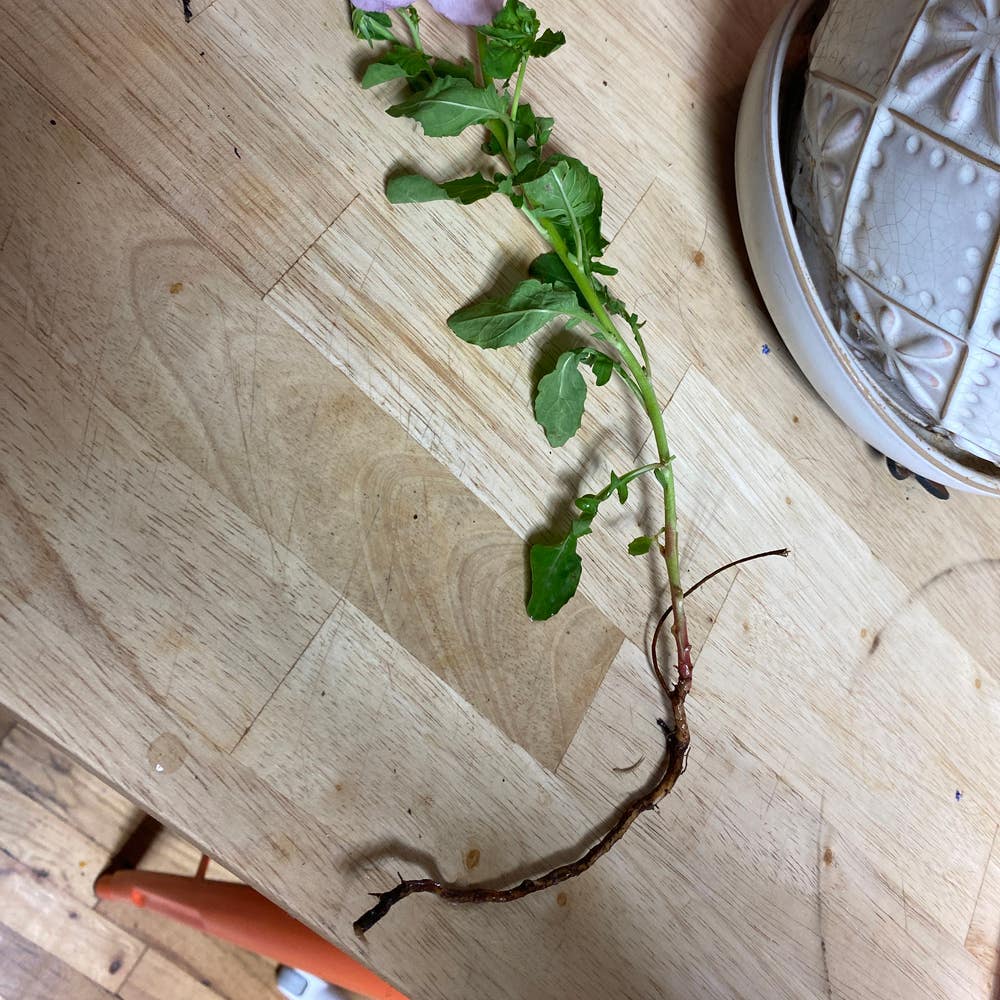
This plant features a deep and extensive root system, which is essential for efficient water and nutrient absorption. Additionally, its leaf structure is specifically adapted to maximize photosynthesis, especially in full sun conditions, making it a robust survivor.
📈 Long-Term Lifecycle and Growth Patterns
Typically, Lindheimer's Beeblossom has a lifespan of several years, often living 3-5 years or more. Its growth patterns include seasonal cycles, with periods of dormancy during extreme weather conditions, showcasing its ability to adapt to varying climates.
Understanding these characteristics not only highlights the plant's resilience but also sets the stage for exploring its reproductive strategies in the next section.
Reproductive Strategies
🌸 Flowering Cycles
Lindheimer's Beeblossom typically bursts into bloom in late spring to early summer. This timing is crucial as it aligns with the peak activity of pollinators, enhancing its reproductive success.
🐝 Pollination
The vibrant flowers attract a variety of pollinators, including bees and butterflies. This interaction not only aids in seed production but also supports local ecosystems.
🌱 Seed Production
This plant is a prolific seed producer, generating seeds over multiple seasons. Its ability to produce a large number of seeds ensures that it can thrive even in challenging conditions.
💤 Seed Viability
Lindheimer's Beeblossom seeds are remarkably resilient. They can remain dormant for extended periods, waiting for the right conditions to sprout.
💧 Adaptations for Survival
One of the standout features of Lindheimer's Beeblossom is its drought tolerance. This plant has evolved to survive in low-water conditions, making it a perfect choice for arid landscapes.
🌪️ Resilience
Beyond drought, Lindheimer's Beeblossom employs various strategies to endure extreme weather and poor soil. Its adaptability ensures that it can withstand the challenges of its environment.
Understanding these reproductive strategies not only highlights the plant's resilience but also its role in supporting biodiversity. As we delve deeper into the next section, we'll explore the misconceptions and exceptions surrounding Lindheimer's Beeblossom.
Misconceptions and Exceptions
🌱 Conditions Leading to Misclassification
Lindheimer's Beeblossom often faces misclassification due to poor soil quality. When planted in nutrient-deficient environments, its growth and longevity can suffer, leading gardeners to mistakenly treat it as an annual.
Extreme weather conditions also play a significant role in this confusion. Drought or excessive rainfall can hinder its natural lifecycle, causing it to appear less resilient than it truly is.
🌍 Regional Variations
Climate differences across Texas significantly influence the growth patterns of Lindheimer's Beeblossom. In drier regions, the plant may exhibit more pronounced drought tolerance, while in wetter areas, it might struggle, leading to varied perceptions of its lifespan.
Local gardening practices can further complicate its classification. Some gardeners, unfamiliar with its perennial nature, may treat it as an annual, missing out on its long-term benefits.
Understanding these misconceptions helps clarify the true nature of Lindheimer's Beeblossom, paving the way for better gardening practices and appreciation of this resilient plant.
Next, we’ll explore the garden design implications of incorporating Lindheimer's Beeblossom into your landscape.
Garden Design Implications
🌼 Benefits in Perennial Gardens
Lindheimer's Beeblossom is a fantastic addition to perennial gardens. It attracts a variety of pollinators, which supports local ecosystems and enhances biodiversity.
This plant also brings vibrant color and unique texture to your garden design. Its striking flowers can create a visual feast, making your outdoor space more inviting.
📈 Planning for Long-Term Growth
When planning for Lindheimer's Beeblossom, site selection is crucial. Opt for well-drained soils and full sun locations to ensure optimal growth.
Companion planting is another effective strategy. Pairing it with other drought-tolerant perennials can create a harmonious garden that thrives with minimal maintenance.
Incorporating Lindheimer's Beeblossom into your garden not only beautifies the space but also fosters a sustainable environment. As you consider your garden design, think about how this resilient plant can play a role in your long-term gardening success.
Next, let’s explore management tips for ensuring the longevity of your Lindheimer's Beeblossom.
Management Tips for Longevity
Best Practices for Maintenance 🌱
Maintaining Lindheimer's Beeblossom is straightforward, especially considering its drought tolerance. Establish a deep watering routine during dry spells to ensure the plant thrives.
Fertilization needs are minimal, as this resilient perennial can flourish in less-than-ideal soil conditions. A little goes a long way, so focus on quality over quantity.
Seasonal Care Considerations 🍂
In spring, it's time to prune and prepare for new growth. This helps rejuvenate the plant and encourages a robust flowering season.
As fall approaches, prepare the plant for dormancy. Protecting the roots during this time is crucial for its survival through winter.
Maximizing Flowering and Seed Production 🌸
To encourage more blooms, practice deadheading by removing spent flowers. This simple act can significantly enhance the plant's flowering potential.
Understanding the optimal conditions for seed set and dispersal is key. Timing your care can lead to a more fruitful growing season.
With these management tips, you'll ensure your Lindheimer's Beeblossom not only survives but thrives, adding beauty and resilience to your garden. Next, let's explore the garden design implications of incorporating this unique perennial.
⚠️ Safety First
This content is for general information and may contain errors, omissions, or outdated details. It is not medical, veterinary advice, or an endorsement of therapeutic claims.
Always consult a qualified healthcare professional before using any plant as food, medicine, or supplement.
Never eat any plant (or feed one to pets) without confirming its identity with at least two trusted sources.
If you suspect poisoning, call Poison Control (800) 222-1222, the Pet Poison Helpline (800) 213-6680, or your local emergency service immediately.
Spotted an error? Please report it here.
Transform your garden into a pollinator paradise 🌼 with Greg's tailored care tips for Lindheimer's Beeblossom, ensuring vibrant blooms and thriving ecosystems year after year!