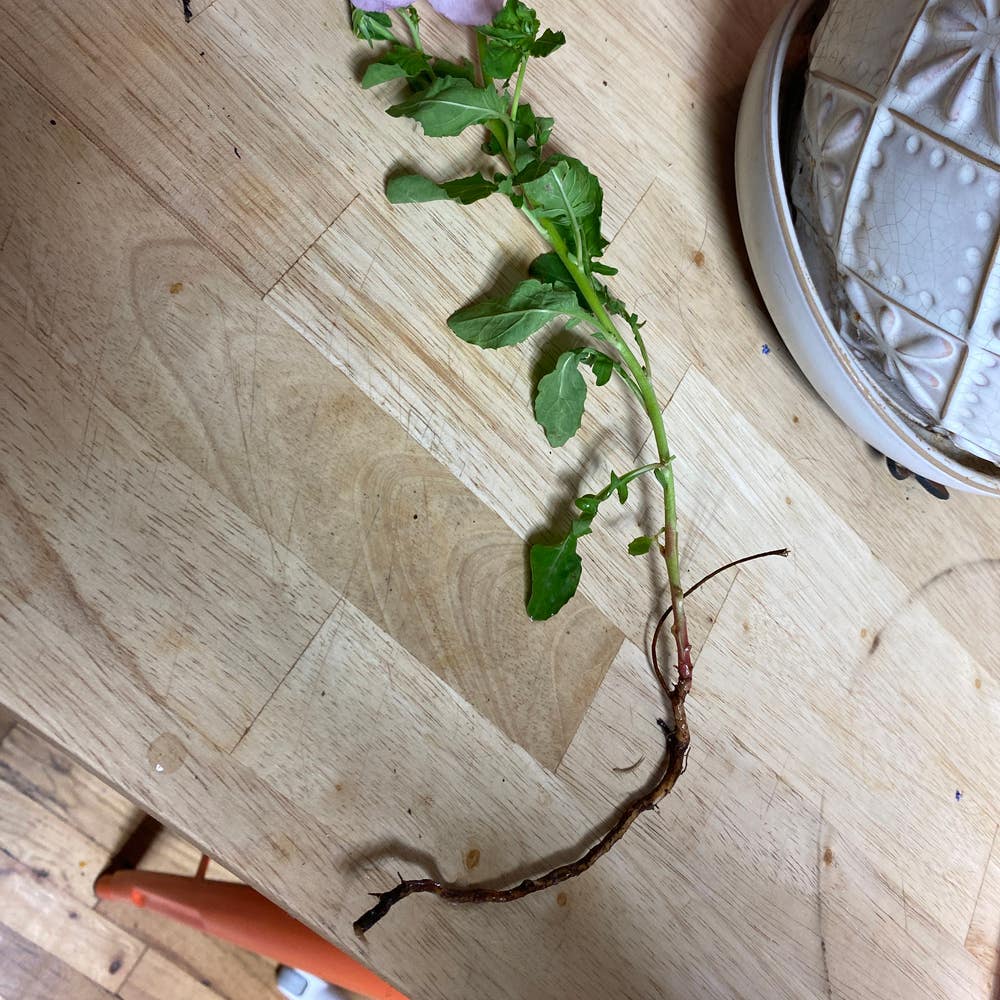
My Lindheimer's Beeblossom's Light Requirements
Oenothera lindheimeri
By the Greg Editorial Team
Jan 20, 2024•5 min read
This article was created with the help of AI so we can cover more plants for you. May contain errors. See one? Report it here.
- Partial to full sun needed, watch for seasonal changes to prevent leaf burn.
- 🏡 South-facing windows best indoors; rotate quarterly for even growth.
- 🌸 Six hours of direct sunlight for vibrant Beeblossom blooms; grow lights can supplement.
Basking in the Right Rays: Outdoor Light Mastery
🌞 Finding the Sweet Spot in Your Garden
Lindheimer's Beeblossom thrives in partial to full sun. But what does that mean? It's a sun lover, but not a sun glutton. Seasonal shifts in sunlight mean you'll need to play musical chairs with your garden layout to keep your Beeblossom beaming without burning.
🛡️ Protecting Your Beeblossom from Too Much of a Good Thing
Sunburned leaves are the SOS signals of your Beeblossom. If your plant's leaves look like they've had a rough day at the beach, it's time to intervene. Shade cloth or strategically placed taller plants can provide a much-needed parasol during the scorch of midday.
Indoor Sun Worship: Making the Most of Your Windows
🌞 The Best Seat in the House: Window Placement for Beeblossom
In the realm of indoor gardening, window placement is akin to real estate: location is everything. For Lindheimer's Beeblossom, a south-facing window is the jackpot in the Northern Hemisphere, offering a full-day feast of sunlight. But don't discount east or west-facing windows; they provide a balanced diet of morning or afternoon sun, respectively. North-facing windows, though? They're the plant equivalent of a bread-and-water diet—only go there if you must.
Window treatments are not just for decor; they're your Beeblossom's sunscreen. Sheer curtains or blinds can diffuse light, preventing the harsh midday sun from turning your plant into a crispy critter. It's about giving your Beeblossom a pair of shades for those overly bright days.
🔄 The Rotating Dance: Ensuring Even Growth
Rotate your Beeblossom like it's on a lazy Susan. Quarterly turns ensure each side gets its moment in the sun, preventing the lopsided growth that screams for a plant chiropractor. If your Beeblossom starts leaning like it's trying to escape the pot, it's begging for more light on its neglected side.
Recognizing uneven growth is simple: look for the side that's reaching out like it's trying to snag your coffee. That's the side that's been in the shadows. Rotate, and watch your Beeblossom straighten up like it's been through plant boot camp. Keep the dance going, and you'll have a Beeblossom that's as balanced as a feng shui master's living room.
Let There Be Light: The Flowering Connection
⛅️ When Light Leads to Blooms
Lindheimer's Beeblossom, a sun-loving showstopper, demands specific light conditions to kick off its blooming bonanza. It's not just about basking in the sun; it's about getting the right amount of solar love. For Beeblossom to strut its stuff with flowers, it craves long days soaking in the rays. Full sun exposure is the secret sauce, with at least six hours of direct sunlight being the sweet spot.
To coax out those vibrant blooms, you might need to play with the light like a DJ with a soundboard. If your Beeblossom is slacking on the flower front, consider inching it closer to the sun's spotlight. But watch for signs of sunburn – if the leaves start to look like they've had a rough day at the beach, dial it back.
🌞 Adjusting Light Exposure to Encourage More Vibrant Blooms
Adjusting light exposure is like tuning an instrument; it needs to be just right for the perfect performance. If your Beeblossom's blooms are lackluster, it might be time to amp up the sunlight. Gradually increase exposure to prevent shock and watch as your plant responds with a floral standing ovation.
Conversely, if the leaves are throwing shade with signs of distress, it's time to intervene. Provide some afternoon shade or relocate your plant to a spot with gentler morning or late afternoon sun. It's all about finding that Goldilocks zone – not too hot, not too cold, but just right for your blooming beauty.
Supplementing Sunshine: Grow Lights to the Rescue
💡 Choosing Your Indoor Sun: Selecting the Right Grow Light
Grow lights are the indoor gardener's sun substitute, and picking the right one can make or break your Beeblossom's growth. LEDs are the energy-efficient darlings of the grow light world, while fluorescents are the old-school, wallet-friendly option. High-intensity discharge (HID) lights are the heavy hitters, but they might be overkill for your delicate blooms.
When selecting, consider the light spectrum and intensity—you want a full-spectrum light that mimics the sun without scorching your plants. Think of grow lights as a dial you can tweak: not enough flowers? Amp up the intensity. Leaves looking sun-kissed to a crisp? Dial it down.
💡 Setting the Stage for Growth: Grow Light Placement and Scheduling
Proper placement is crucial—set your grow light to follow the sun's natural arc across the sky. This means positioning the light above the plant, ensuring it receives the rays from a natural angle. For duration, aim for 12 to 14 hours of light, mimicking a day in the sun.
Use a timer to keep the light consistent and prevent your Beeblossom from turning into a nocturnal creature. Watch for signs of new growth or flowering as cues that you've nailed the lighting sweet spot. If your plant's performance is more 'meh' than 'magnificent', adjust the light schedule as needed, just like a DJ tweaking tracks for the perfect dance vibe.
⚠️ Safety First
This content is for general information and may contain errors, omissions, or outdated details. It is not medical, veterinary advice, or an endorsement of therapeutic claims.
Always consult a qualified healthcare professional before using any plant as food, medicine, or supplement.
Never eat any plant (or feed one to pets) without confirming its identity with at least two trusted sources.
If you suspect poisoning, call Poison Control (800) 222-1222, the Pet Poison Helpline (800) 213-6680, or your local emergency service immediately.
Spotted an error? Please report it here.
Nurture your Lindheimer's Beeblossom to full bloom 🌞 with Greg's precise window placement guidance and tailored light schedule reminders!