🐝 Why Beeblossom Is Not an Annual
Oenothera lindheimeri
By the Greg Editorial Team
Oct 15, 2024•5 min read
This article was created with the help of AI so we can cover more plants for you. May contain errors. See one? Report it here.
- 🌼 Beeblossom is a perennial, thriving for years with deep roots and nutrient storage.
- 🌱 Unlike annuals, Beeblossom seeds can remain dormant, ensuring survival until conditions improve.
- 🐝 Planting Beeblossom supports pollinators and enhances garden biodiversity across multiple seasons.
Beeblossom's Perennial Nature
🌱 Genetic Characteristics
Beeblossom's chromosomal structure is uniquely adapted for long-term survival. This genetic makeup allows it to thrive in diverse environments, ensuring resilience against changing conditions.
Genetic resilience is a key trait that enables Beeblossom to withstand environmental stressors. This adaptability is crucial for its survival, especially in fluctuating climates.
🌿 Physiological Traits Supporting Perennial Growth
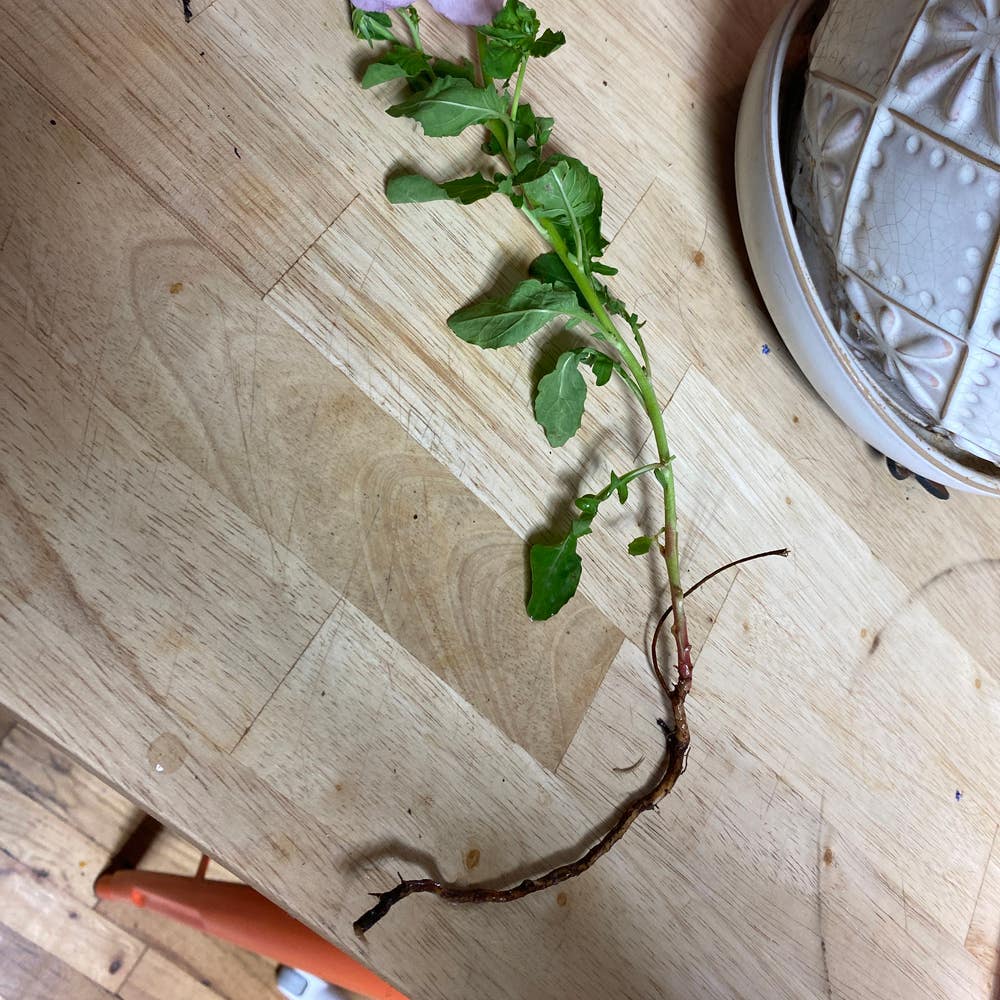
The root system of Beeblossom is deep and extensive, allowing it to store essential nutrients and water. This robust root structure supports its growth and helps it endure periods of drought.
In its early stages, Beeblossom forms a rosette, which leads to strong flowering stalks later on. This growth form not only enhances its aesthetic appeal but also contributes to its overall health.
🌼 Long-Term Lifecycle and Growth Patterns
Beeblossom undergoes a lifecycle that includes germination, vegetative growth, flowering, and dormancy. Each stage is vital for its development and contributes to its perennial nature.
The plant exhibits seasonal emergence and dormancy cycles, allowing it to adapt to varying climates. This flexibility ensures that Beeblossom can thrive in different environments year after year.
Understanding these characteristics helps gardeners appreciate why Beeblossom is not just another annual. Its unique traits make it a valuable addition to any garden, setting the stage for the next section on its reproductive strategies.
Reproductive Strategies
🌸 Flowering Cycles
Beeblossom typically blooms from late spring to summer, showcasing vibrant flowers that attract a variety of pollinators. This timing not only enhances its reproductive success but also supports local ecosystems by providing food sources for bees and butterflies.
🌱 Seed Production Compared to Annuals
Unlike annuals, Beeblossom produces seeds that can remain dormant for extended periods. This dormancy allows seeds to wait for the right environmental conditions, ensuring optimal germination when the time is right.
🛡️ Adaptations for Survival and Reproduction
Beeblossom seeds have developed dormancy mechanisms that enable them to withstand unfavorable conditions. This adaptation is crucial for long-term survival, as it allows the plant to focus on enduring rather than rapidly producing seeds.
In summary, Beeblossom's reproductive strategies are finely tuned for resilience and sustainability. These traits not only ensure its survival but also contribute to the health of the ecosystems it inhabits.
As we explore the misconceptions and exceptions surrounding Beeblossom, we’ll uncover how environmental factors can sometimes blur the lines between perennials and annuals.
Misconceptions and Exceptions
🌱 Conditions Where Beeblossom May Be Mistaken for an Annual
In challenging environments, Beeblossom can sometimes appear more like an annual than a perennial. Factors such as drought or extreme temperatures may hinder its typical growth patterns, leading to confusion about its true nature.
Misidentification is another common issue. In habitats where annual wildflowers thrive, Beeblossom's similar appearance can easily mislead gardeners and nature enthusiasts alike.
🌍 Regional Variations Affecting Classification
Climate plays a significant role in how Beeblossom grows. Different regions can dramatically alter its growth habits and flowering times, making it essential to understand local conditions.
Local adaptations also contribute to variations in Beeblossom's characteristics. Soil type and climate conditions can influence its resilience and flowering, further complicating its classification as a perennial.
Understanding these nuances helps gardeners appreciate the true nature of Beeblossom and its adaptability in various environments. This knowledge is crucial for anyone looking to cultivate this unique plant successfully.
As we delve deeper into the implications for gardeners, we’ll explore the advantages of planting Beeblossom and how to manage it effectively.
Implications for Gardeners
🌼 Advantages of Planting Beeblossom
Planting Beeblossom is a long-term investment that establishes a stable presence in your garden. Unlike annuals, which require replanting each year, Beeblossom thrives over multiple seasons, allowing you to enjoy its beauty without constant upkeep.
🌿 Garden Design Strategies
Consider companion planting by pairing Beeblossom with other perennials. This approach creates a diverse ecosystem that supports various pollinators and enhances overall garden health.
Planning for seasonal interest is also key. By selecting plants that bloom at different times, you can ensure your garden remains vibrant throughout the year.
🌱 Tips for Managing Beeblossom
Soil preparation is crucial for optimal growth. Ensure your soil is well-draining to prevent root rot and promote healthy development.
Establishing a consistent watering schedule during dry periods is essential. This practice helps Beeblossom thrive, especially in the initial stages of growth.
By understanding these implications, you can maximize the benefits of planting Beeblossom in your garden. Transitioning to the next topic, let’s explore best practices for maintaining this resilient perennial.
Maximizing Longevity
Best Practices for Maintenance 🌱
To keep your Beeblossom thriving, regular maintenance is key. Start with pruning; deadheading spent flowers encourages new blooms and keeps the plant looking tidy.
Next, consider fertilization. Applying organic fertilizers during the growing season provides essential nutrients, promoting robust growth and vibrant flowers.
Seasonal Considerations 🌸
In spring, monitor early growth closely. This is the perfect time for soil amendment to ensure your Beeblossom has the best possible start.
As the seasons change, prepare for fall. Mulching helps protect the plant during dormancy, ensuring it emerges strong when spring returns.
Common Challenges and Solutions 🐛
Pest management is crucial for Beeblossom health. Identifying and controlling common pests, like aphids or spider mites, can prevent significant damage.
Additionally, be vigilant about disease prevention. Recognizing early signs of disease allows for timely intervention, keeping your Beeblossom flourishing.
With these strategies, you can ensure your Beeblossom not only survives but thrives, enhancing your garden's beauty year after year. Next, let's explore the implications of planting Beeblossom for gardeners.
⚠️ Safety First
This content is for general information and may contain errors, omissions, or outdated details. It is not medical, veterinary advice, or an endorsement of therapeutic claims.
Always consult a qualified healthcare professional before using any plant as food, medicine, or supplement.
Never eat any plant (or feed one to pets) without confirming its identity with at least two trusted sources.
If you suspect poisoning, call Poison Control (800) 222-1222, the Pet Poison Helpline (800) 213-6680, or your local emergency service immediately.
Spotted an error? Please report it here.
Unlock the secrets of Beeblossom's perennial magic 🌱 with Greg's tailored care reminders, ensuring your garden flourishes beautifully season after season!