🐝 Growth Rate of Beeblossom
Oenothera lindheimeri
By the Greg Editorial Team
Oct 15, 2024•6 min read
This article was created with the help of AI so we can cover more plants for you. May contain errors. See one? Report it here.
- 🌱 Beeblossom seeds germinate in 7-14 days under optimal conditions for growth.
- 🌼 Full maturity occurs in 3-4 months, making Beeblossom a fast-growing garden choice.
- 🌙 Nocturnal insects pollinate Beeblossom, crucial for its reproduction and ecosystem role.
Germination Stage
🌱 Duration of Germination
The germination period for Beeblossom typically spans 7 to 14 days under optimal conditions. This timeframe allows the seeds to break dormancy and begin their journey toward growth.
🌟 Conditions for Successful Germination
To ensure successful germination, several key conditions must be met:
Soil Requirements
Beeblossom thrives in well-drained, fertile soil with a pH level between 6.0 and 7.5. This balance provides the nutrients necessary for robust growth.
Temperature Range
The ideal temperature for germination lies between 65°F and 75°F (18°C to 24°C). Maintaining this range is crucial for activating the seed's metabolic processes.
Moisture Levels
Consistent moisture is vital, but avoid waterlogging. The seeds need a damp environment to sprout, yet too much water can hinder their progress.
Understanding these germination conditions sets the stage for the subsequent growth phases of Beeblossom. With the right care, these seeds will soon transition into the seedling stage, ready to flourish.
Seedling Stage
Duration of Seedling Growth 🌱
The seedling stage of Beeblossom lasts about 2-4 weeks. This period is crucial for establishing a strong foundation for future growth.
Characteristics of Seedlings 🌿
During this stage, Beeblossom develops a rosette of broad, green leaves that hug the ground. These leaves are essential for capturing sunlight and initiating photosynthesis.
Height and Root Establishment 📏
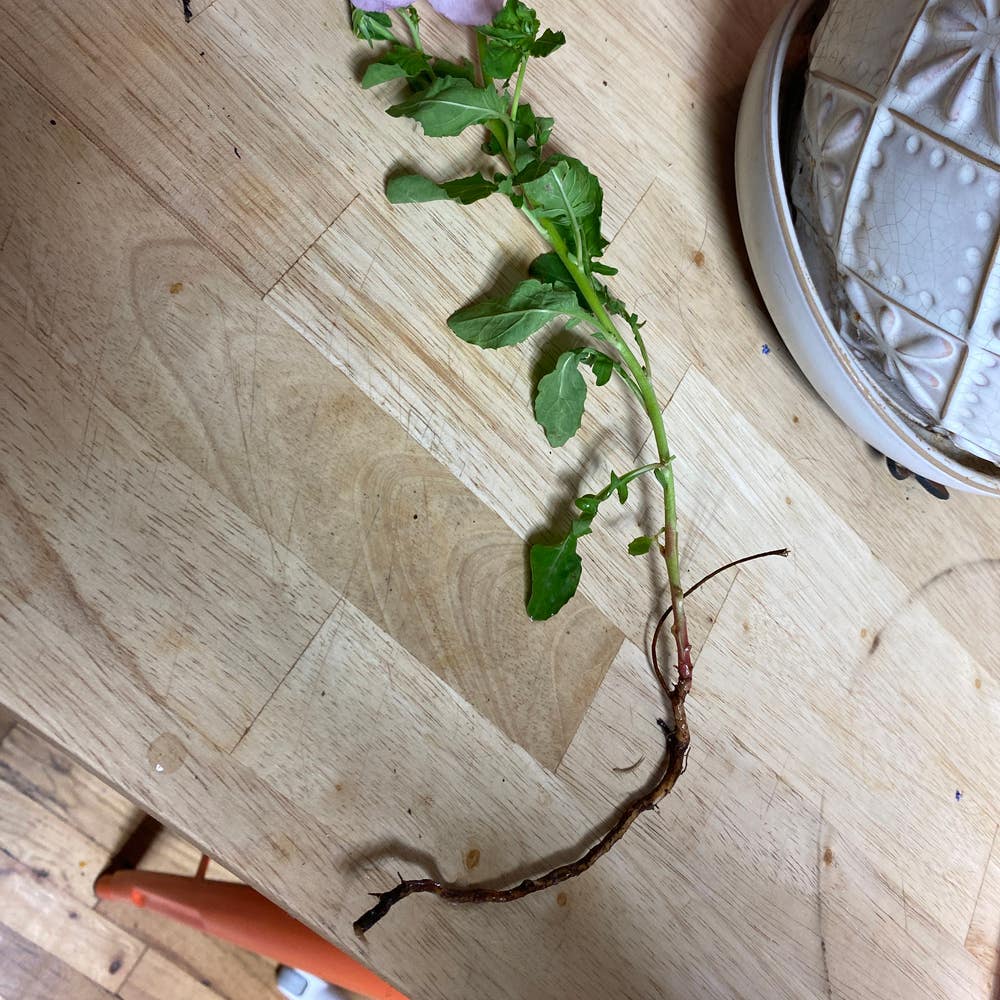
At this point, seedlings typically reach a height of 2-6 inches. A strong taproot begins to form, anchoring the plant and facilitating nutrient absorption from the soil.
The seedling stage is a vital time for Beeblossom, setting the stage for its future growth and development. As we move forward, let’s explore the vegetative growth stage and how it further shapes this remarkable plant.
Vegetative Growth Stage
Duration of Vegetative Growth 🌱
The vegetative growth stage of Beeblossom lasts about 4-8 weeks. This duration can vary based on environmental conditions, making it crucial to monitor your plant's surroundings.
Changes in Plant Structure and Health 🌿
During this stage, Beeblossom can grow up to 3 feet tall. As it stretches skyward, the leaves become larger and more numerous, significantly boosting photosynthesis.
Leaf Development 🍃
The broad leaves not only enhance light capture but also contribute to the plant's overall health. A robust leaf structure means more energy for growth and flowering.
Stalk Formation 🌾
As the plant matures, it transitions from a rosette form to an erect flowering stalk. This change is vital for supporting the flowers that will emerge in the next growth phase.
The vegetative growth stage sets the foundation for the flowering period ahead, where the plant will truly showcase its beauty. Understanding these changes can help you nurture your Beeblossom effectively.
Flowering Stage
Duration of Flowering 🌸
The flowering period of Beeblossom lasts about 4-6 weeks, typically blooming in late spring to early summer. This vibrant phase is crucial for the plant's reproductive success.
Pollination Process and Its Significance 🦋
Pollination is primarily carried out by nocturnal insects, such as moths and other night pollinators. This unique relationship not only ensures the plant's reproduction but also highlights the importance of flowering in attracting these essential pollinators.
The flowering stage is a beautiful and vital part of Beeblossom's life cycle. As the plant blooms, it plays a key role in the ecosystem, supporting both its own growth and the survival of various pollinators.
In the next section, we will explore the seed production stage, where the magic of growth continues as the plant prepares for its next generation.
Seed Production Stage
Duration and Process of Seed Production 🌱
Seed production for Beeblossom typically takes about 4-8 weeks after flowering. During this time, capsules form, each containing multiple seeds ready for dispersal.
Importance of Seed Dispersal 🌬️
Seed dispersal is crucial for the survival of Beeblossom. It primarily occurs through wind and animal interactions, allowing seeds to spread across various environments.
This adaptability ensures that Beeblossom can colonize new habitats, enhancing its chances of thriving in diverse conditions. Understanding this process highlights the resilience of nature and the interconnectedness of ecosystems.
As we explore the growth rate and maturation of Beeblossom, we’ll uncover how quickly this plant can reach its full potential.
Growth Rate and Maturation
How Long Until Beeblossom is Fully Grown? 🌱
Beeblossom can reach full maturity in just one growing season, typically taking about 3-4 months. This rapid development makes it an exciting plant for gardeners eager to see results.
How Fast Does Beeblossom Grow? ⚡
During the warm months, Beeblossom exhibits impressive growth, sometimes reaching up to 1 foot per month under optimal conditions. This swift growth rate is a testament to its adaptability and resilience.
Factors Affecting Growth Rate 🌍
Several factors influence the growth rate of Beeblossom.
- Environmental Conditions: Soil quality, moisture levels, and sunlight exposure play crucial roles in determining how well the plant thrives.
- Competition with Other Plants: Nearby vegetation can impact nutrient availability, potentially stunting growth.
Understanding these factors can help you create the ideal environment for Beeblossom, ensuring it flourishes beautifully.
As we explore the notable changes throughout its life cycle, you'll see how these growth stages contribute to the plant's overall vitality and adaptability.
Notable Changes Throughout Life Cycle
🌱 Physical Changes in the Plant
The Beeblossom undergoes a remarkable transformation as it matures. It shifts from a low-lying rosette to an upright flowering stalk, marking a significant structural change.
This transition is vital for its growth, allowing the plant to reach for sunlight. Additionally, the leaves adapt in size and shape, optimizing their ability to capture more light for photosynthesis.
🎨 Changes in Color and Texture
As the Beeblossom progresses through its life stages, its colors and textures evolve. During the vegetative growth phase, the leaves display a rich dark green, signaling robust health.
In contrast, as the plant enters the flowering stage, the leaves lighten, and the flowers emerge with soft, delicate petals that bloom in the evening. This change not only enhances its beauty but also plays a crucial role in attracting nocturnal pollinators.
🌍 Environmental Adaptations During Growth Stages
Adaptability is key for the Beeblossom's survival. During dry periods, its roots deepen to seek out moisture, ensuring the plant remains hydrated.
Moreover, the flowering phase is synchronized with the activity of nocturnal pollinators. This strategic timing maximizes pollination opportunities, showcasing the plant's remarkable ability to thrive in its environment.
These notable changes throughout the Beeblossom's life cycle highlight its resilience and adaptability. Understanding these transformations can deepen our appreciation for this unique plant as we transition to the next topic on growth rate and maturation.
⚠️ Safety First
This content is for general information and may contain errors, omissions, or outdated details. It is not medical, veterinary advice, or an endorsement of therapeutic claims.
Always consult a qualified healthcare professional before using any plant as food, medicine, or supplement.
Never eat any plant (or feed one to pets) without confirming its identity with at least two trusted sources.
If you suspect poisoning, call Poison Control (800) 222-1222, the Pet Poison Helpline (800) 213-6680, or your local emergency service immediately.
Spotted an error? Please report it here.
Unlock the secrets to thriving Beeblossom growth 🌼 with Greg's tailored care reminders, ensuring your plants flourish from germination to full bloom!