🌼 How Long Your Lindheimer's Beeblossom Will Live
Oenothera lindheimeri
By the Greg Editorial Team
Sep 30, 2024•5 min read
This article was created with the help of AI so we can cover more plants for you. May contain errors. See one? Report it here.
- 🌱 Lindheimer's Beeblossom germinates in 7-14 days with optimal conditions.
- 🌼 Average lifespan is 2-3 years, thriving in well-draining soil and consistent moisture.
- 🌞 Flowering peaks in late spring, attracting nocturnal pollinators like moths.
Germination Stage
🌱 Duration of Germination
Germination is a critical phase for Lindheimer's Beeblossom, typically taking 7 to 14 days. Several factors influence how quickly seeds sprout, including soil temperature, moisture levels, and seed viability.
🌡️ Conditions for Successful Germination
To ensure successful germination, aim for an optimal soil temperature between 70°F and 85°F (21°C to 29°C).
- Soil Type: Use well-draining sandy or loamy soil for best results.
- Moisture Requirements: Keep the soil consistently moist, but avoid waterlogging.
- Light Exposure: Seeds thrive with light, so surface sowing is recommended for optimal growth.
By providing these ideal conditions, you can set the stage for healthy seedling development. This foundational stage is crucial for the plant's overall lifespan and growth rate, leading to a vibrant display of flowers later on.
Next, we’ll explore the Seedling Stage, where the young plant begins to establish itself.
Seedling Stage
Length of Seedling Development 🌱
The seedling stage of Lindheimer's Beeblossom lasts about 4 to 6 weeks until true leaves emerge. During this time, several environmental factors play a crucial role in growth, including temperature, light, and water availability.
Key Characteristics of Seedlings 🌿
Initially, cotyledons sprout, paving the way for the true leaves that follow. At this stage, seedlings typically reach a height of 2 to 6 inches.
Root System Development 🌳
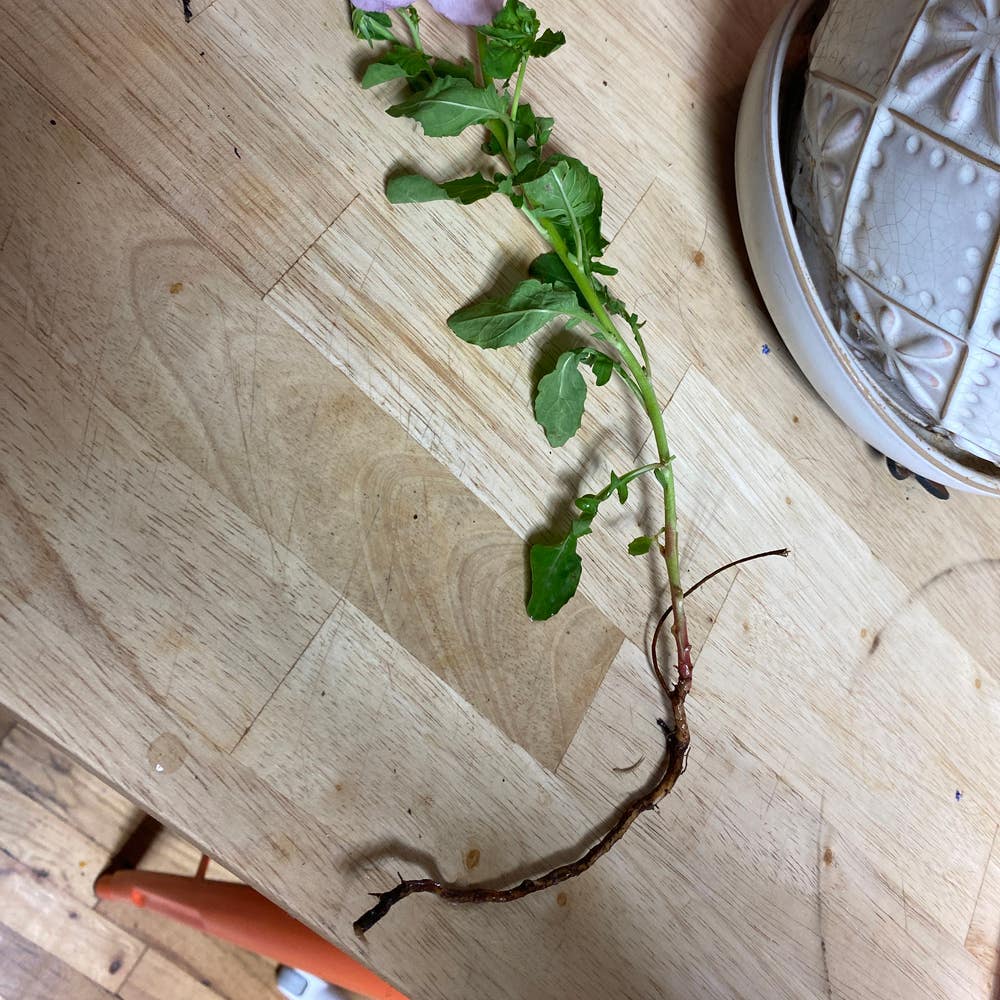
A strong taproot begins to establish itself, providing the plant with drought resistance. This foundational growth is vital for the plant's long-term survival and adaptability.
As the seedlings mature, they set the stage for the next growth phases, leading to robust vegetative development. Understanding this stage is essential for nurturing healthy Lindheimer's Beeblossom plants.
Vegetative Growth Stage
🌱 Duration of Vegetative Growth
The vegetative growth stage of Lindheimer's Beeblossom lasts between 6 to 12 weeks. This duration largely depends on environmental conditions, such as temperature and moisture.
🚀 Growth Rate
During this phase, the plant experiences rapid growth. Under optimal conditions, you can expect a significant increase in height, making it a dynamic part of its life cycle.
🌿 Changes in Plant Structure and Health
At maturity, Lindheimer's Beeblossom can reach heights of 1 to 3 feet. This impressive stature is complemented by broad, lanceolate leaves that can grow up to 6 inches long.
🌵 Adaptations for Survival
As the plant develops, it becomes more resilient to drought. Its root system expands, allowing for better nutrient uptake, which is crucial for thriving in less-than-ideal soil conditions.
📊 Summary of Growth Characteristics
In summary, the vegetative growth stage is marked by rapid height increase and robust leaf development. These adaptations not only enhance the plant's survival but also prepare it for the flowering stage ahead.
This stage sets the foundation for the plant's future, leading seamlessly into the upcoming flowering stage.
Flowering Stage
Timeframe for Flowering 🌼
Flowering typically begins 2-3 months after germination. This vibrant display lasts for several weeks, often peaking in late spring to early summer.
Description of Flower Characteristics 🌸
The flowers of Lindheimer's Beeblossom are a striking bright yellow, making them irresistible to various pollinators.
These cup-shaped blooms open in the evening, creating a stunning sight as they attract nocturnal insects, primarily moths, for pollination.
The unique timing and structure of these flowers not only enhance the plant's beauty but also play a crucial role in its reproductive success.
As the flowering stage progresses, the plant showcases its adaptability and resilience, contributing to its overall lifecycle.
This stage is vital, setting the stage for seed production and ensuring the continuation of the species.
With the right conditions, these flowers can transform your garden into a lively ecosystem, buzzing with activity and color.
As we move forward, let’s explore the fascinating process of seed production that follows this beautiful flowering phase.
Seed Production Stage
Duration of Seed Production 🌱
Seed production for Lindheimer's Beeblossom kicks off shortly after flowering. This phase can last several weeks, depending on factors like pollination success and environmental conditions.
Process of Seed Formation and Dispersal 🌬️
Each flower is a powerhouse, capable of producing numerous seeds.
- Dispersal Methods: Seeds are primarily spread by wind and self-seeding.
- Viability: Remarkably, these seeds can remain viable in the soil for several years, ensuring the plant's continued presence in its habitat.
Understanding this stage is crucial for appreciating how Lindheimer's Beeblossom contributes to its ecosystem. As we transition to the overall lifespan and growth rate, we’ll explore how these seeds play a vital role in the plant's longevity and adaptability.
Overall Lifespan and Growth Rate
Average Lifespan of Lindheimer's Beeblossom 🌱
Lindheimer's Beeblossom typically lives for 2-3 years under optimal conditions. Factors like soil quality, water availability, and competition with other plants significantly influence its longevity.
Factors Affecting Growth Rate 📈
The type of soil plays a crucial role in growth; well-drained soils promote faster development. Water availability is another key factor; while drought conditions can slow growth, this resilient plant is adapted to survive.
Comparison of Growth Rates in Different Environments 🌍
In its native habitat, Lindheimer's Beeblossom thrives, experiencing rapid growth and abundant flowering. Conversely, in cultivated settings, growth rates may vary based on the level of care and environmental control provided.
Notable Changes Throughout Life Cycle 🔄
As the plant matures, it transitions from small seeds to robust specimens with extensive root systems. You'll notice the development of its distinctive yellow flowers and mature foliage, which enhance its visual appeal.
Increased seed production occurs as the plant ages, allowing it to reseed itself and contribute to population sustainability. Over time, it adapts to arid conditions, developing drought tolerance mechanisms and enhanced root systems for better nutrient absorption in nutrient-poor soils.
This fascinating life cycle not only showcases the resilience of Lindheimer's Beeblossom but also highlights its importance in maintaining ecological balance. Next, we’ll explore the flowering stage, where this plant truly shines.
⚠️ Safety First
This content is for general information and may contain errors, omissions, or outdated details. It is not medical, veterinary advice, or an endorsement of therapeutic claims.
Always consult a qualified healthcare professional before using any plant as food, medicine, or supplement.
Never eat any plant (or feed one to pets) without confirming its identity with at least two trusted sources.
If you suspect poisoning, call Poison Control (800) 222-1222, the Pet Poison Helpline (800) 213-6680, or your local emergency service immediately.
Spotted an error? Please report it here.
Nurture your Lindheimer's Beeblossom for 2-3 years of stunning blooms 🌼 with Greg's tailored care reminders that guide you from germination to flowering!