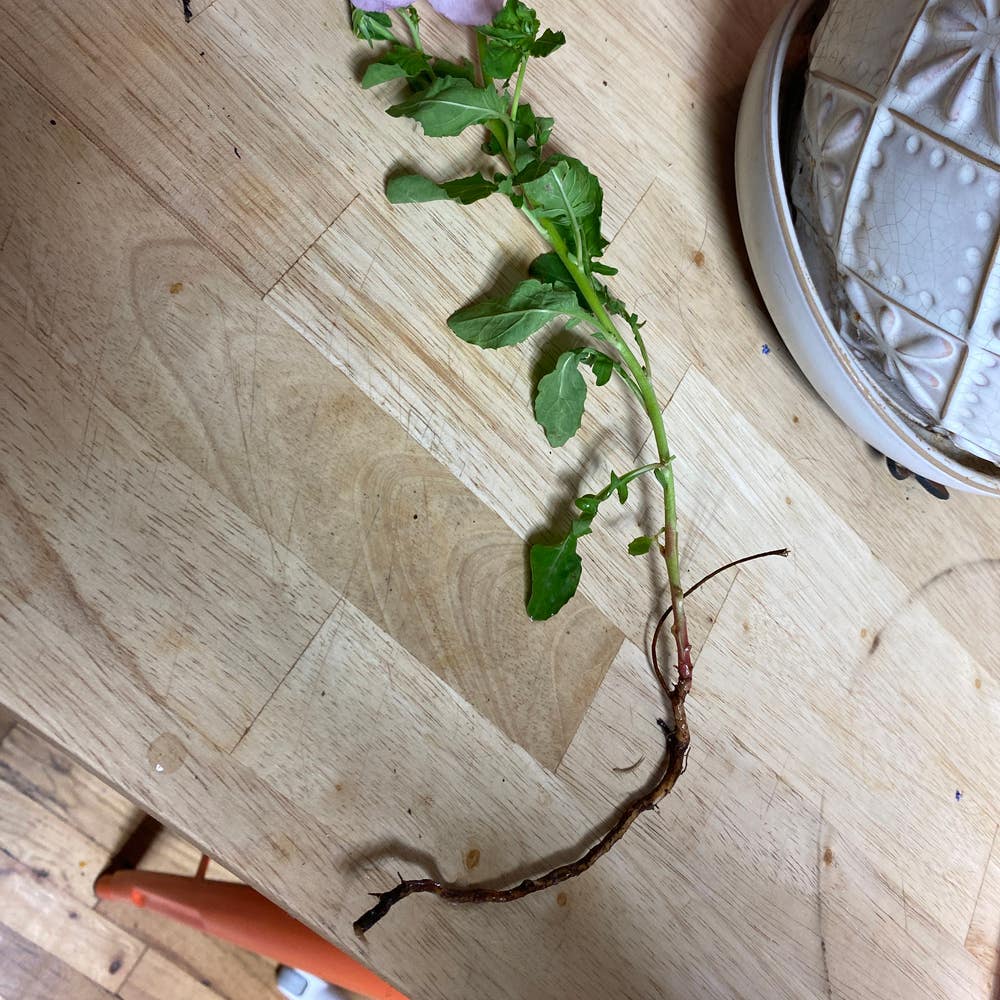
🐝 All About Your Beeblossom's Roots
Oenothera lindheimeri
By the Greg Editorial Team
Oct 15, 2024•6 min read
This article was created with the help of AI so we can cover more plants for you. May contain errors. See one? Report it here.
- 🌱 Beeblossoms thrive with fibrous roots, enhancing nutrient uptake and soil adaptability.
- 💧 Proper watering prevents root rot; let soil dry between waterings for healthy growth.
- 🌿 Healthy roots are white and firm; watch for signs of stress like yellowing leaves.
Description of Beeblossom Roots
Type of Root System 🌱
Beeblossoms boast a fibrous root system, which is a game-changer for their growth. This type of root structure allows for efficient nutrient uptake, thanks to its extensive surface area.
Additionally, fibrous roots are incredibly adaptable, thriving in various soil conditions. Whether in sandy, loamy, or clay soils, these roots can find their way to nourishment.
Specific Characteristics 🌿
The root structure of Beeblossoms features fine, branching roots that spread widely. This wide spread not only supports the plant but also helps it stabilize in the soil.
However, these roots are sensitive to overwatering, making them prone to root rot. Understanding this sensitivity is crucial for effective care and ensuring your Beeblossom thrives.
As we dive deeper into the root depth and spread, you'll discover how these characteristics influence the plant's overall health and care requirements.
Root Depth and Spread
🌱 Growth Patterns
Understanding the root depth and spread of your Beeblossom is crucial for its health. Typically, these roots reach depths of 12 to 24 inches, depending on the soil conditions.
The spread can be impressive, extending up to 3 feet in diameter. This extensive root system allows the plant to access nutrients and water efficiently.
🌍 Influencing Factors
Several factors influence how deep and wide your Beeblossom's roots will grow. The type of soil plays a significant role; well-draining soils promote healthier root development compared to compacted ones.
Environmental conditions also matter. Moisture levels, temperature, and competition with other plants can all affect root growth. Keeping these factors in check will help your Beeblossom thrive.
With a solid understanding of root depth and spread, you're better equipped to provide optimal care for your Beeblossom. Next, let’s explore how watering and fertilizing can further support its root health.
Watering and Fertilizing
🌱 Root System's Impact on Care
Watering your Beeblossom is crucial for its health. It's essential to allow the soil to dry out between waterings to prevent root rot.
Overwatering can lead to several issues. Look for yellowing leaves, wilting, and signs of root rot as indicators that you might be giving your plant too much water.
🧪 Fertilization Techniques
When it comes to fertilizers, a balanced NPK formula is your best bet. This ensures optimal root development and overall plant health.
Timing is everything in fertilization. Aim to fertilize during the active growth periods of spring and summer for the best results.
Understanding these watering and fertilizing techniques will set your Beeblossom up for success. Next, let’s explore common root issues that can arise and how to tackle them effectively.
Common Root Issues
Identifying Problems 🌱
Root issues can sneak up on you, but knowing the signs can save your Beeblossom. Root rot is a major concern; look for symptoms like wilting, stunted growth, and a foul odor emanating from the soil.
Nutrient deficiencies are another red flag. If you notice yellowing leaves and poor growth, your plant might be lacking essential nutrients.
Solutions and Prevention 🛠️
Preventing root problems starts with proper watering techniques. Always ensure your Beeblossom has well-draining soil to avoid waterlogged roots.
If you do encounter root rot, act quickly. Remove the affected roots and repot your plant in fresh, dry soil to give it a fighting chance.
By staying vigilant and proactive, you can keep your Beeblossom thriving and healthy. Understanding these common root issues is crucial for optimal care and long-term success.
Next, let’s explore how to identify healthy versus unhealthy roots to further enhance your care routine.
Healthy vs. Unhealthy Roots
Visual Cues for Assessment 🌱
Identifying the health of your Beeblossom's roots is crucial for its overall well-being. Healthy roots are typically white, firm, and well-structured, indicating that they are thriving and capable of efficient nutrient uptake.
In contrast, unhealthy roots present a stark warning. If you notice brown, mushy roots or a foul smell, it's a sign that your plant may be suffering from root rot or other issues.
Indicators of Stress or Disease ⚠️
Stress in your Beeblossom can manifest in several ways. Look out for slow growth, leaf drop, and discoloration, which are clear indicators that something isn't right.
Additionally, keep an eye out for disease indicators. Fungal growth or pests in the root zone can severely impact your plant's health and should be addressed promptly.
Understanding these visual cues and indicators will empower you to take proactive steps in caring for your Beeblossom. Healthy roots are the foundation of a resilient plant, setting the stage for robust growth and vitality.
Next, let’s explore how to recognize and address rootbound conditions, ensuring your Beeblossom continues to thrive.
Rootbound Plants
Definition and Recognition 🌱
Rootbound plants occur when the roots grow too densely within their pot, often circling around the edges. This can lead to stunted growth and overall plant stress.
Signs of Rootbound Conditions 🚩
Look for roots growing out of the drainage holes or a noticeable lack of new growth. If your plant seems to be struggling despite proper care, it might be time to investigate its root situation.
Steps to Address Rootbound Conditions 🛠️
Assess the plant: Start by checking the root health and growth patterns. Gently remove the plant from its pot to inspect the roots.
Repotting: Choose a larger pot with fresh soil to give the roots more room to spread. Ensure the new pot has adequate drainage to prevent future issues.
Pruning: Trim back any damaged or overly long roots. This encourages new growth and helps the plant adapt to its new environment.
By addressing rootbound conditions promptly, you can revitalize your Beeblossom and promote healthy growth. Understanding these signs and solutions is crucial for maintaining a thriving plant.
Next, let’s explore the importance of propagation and division for your Beeblossom’s health.
Propagation and Division
Importance of Root Health 🌱
Healthy roots are the backbone of successful propagation and division. Without robust roots, your Beeblossom may struggle to thrive in its new environment.
Timing is crucial when propagating. Aim to do this during the plant's active growth phase, typically in spring or early summer, to maximize success.
Techniques for Division ✂️
1. Preparing the Plant
Before you start dividing, water the plant thoroughly. This helps reduce stress on the roots and makes the division process smoother.
2. Dividing
Use clean, sharp tools to separate sections of the root system. This minimizes damage and promotes healthier regrowth.
3. Replanting
When replanting, ensure each section has adequate roots and fresh soil. This gives your Beeblossom the best chance to establish itself in its new pot.
By following these steps, you can effectively propagate and divide your Beeblossom, ensuring it continues to flourish. Healthy roots not only support growth but also enhance resilience against stressors like drought and pests.
Next, let’s explore how to identify and address common root issues that may arise during care.
⚠️ Safety First
This content is for general information and may contain errors, omissions, or outdated details. It is not medical, veterinary advice, or an endorsement of therapeutic claims.
Always consult a qualified healthcare professional before using any plant as food, medicine, or supplement.
Never eat any plant (or feed one to pets) without confirming its identity with at least two trusted sources.
If you suspect poisoning, call Poison Control (800) 222-1222, the Pet Poison Helpline (800) 213-6680, or your local emergency service immediately.
Spotted an error? Please report it here.
Nurture your Beeblossom's roots for thriving growth 🌱 by using Greg's tailored watering reminders and expert care tips to keep your plant healthy and happy!