🐝 Step-by-Step Guide to Propagating Beeblossom
Oenothera lindheimeri
By the Greg Editorial Team
Oct 15, 2024•5 min read
This article was created with the help of AI so we can cover more plants for you. May contain errors. See one? Report it here.
- 🌱 Collect beeblossom seeds in late summer for optimal germination success.
- 🌿 Use well-draining soil and maintain moisture for effective seed germination.
- 🌞 Spring and fall are ideal for planting seeds and dividing plants.
Propagating from Seeds
Step-by-step instructions for seed collection 🌱
Collecting seeds is a straightforward process. Aim to gather them in late summer to early fall when the seed pods are dry and ready to pop.
To collect, gently twist and pull the seed pods from the plant. This method minimizes damage and ensures you get the seeds intact. Once collected, store the seeds in a cool, dry place until you’re ready to plant.
Ideal conditions for seed germination 🌞
Creating the right environment for seed germination is crucial. Use well-draining sandy loam soil for the best results.
Keep the soil consistently moist but avoid waterlogging. Light exposure is beneficial, so don’t bury the seeds too deeply—just a light covering will do.
Timing for planting seeds ⏰
Timing is everything when it comes to planting seeds. The best times are early spring or fall, as these seasons provide optimal conditions for germination.
Under ideal conditions, expect germination to occur within 2-4 weeks. This period allows the seeds to sprout and establish themselves before the weather changes.
With these steps, you’re well on your way to successfully propagating beeblossom from seeds. Next, let’s explore how to propagate this lovely plant from cuttings.
Propagating from Cuttings
Selecting the Right Stems for Cuttings 🌱
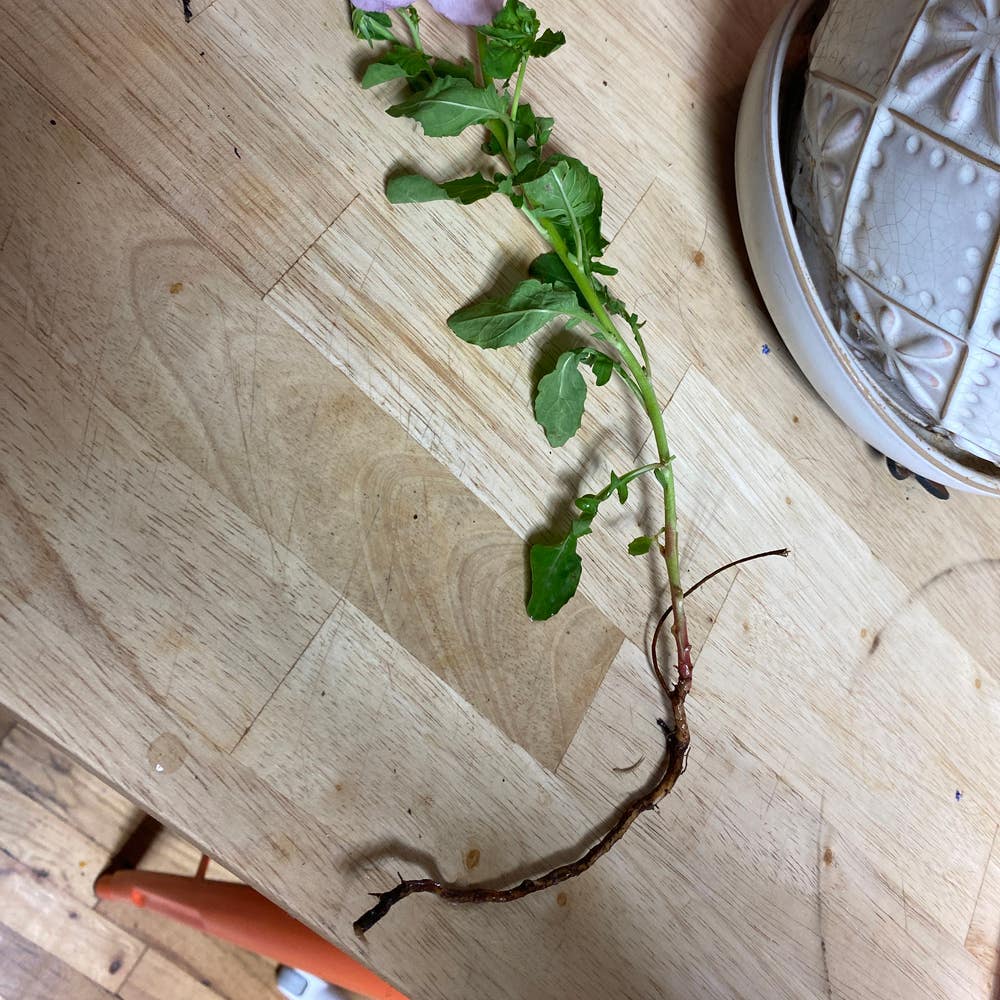
When propagating beeblossom from cuttings, start by selecting healthy, non-flowering stems that are about 4-6 inches long. Late spring to early summer is the ideal time for this process, as the plants are actively growing.
Preparing Cuttings for Rooting ✂️
To prepare your cuttings, make a clean cut just below a node. This is crucial for encouraging root growth.
Next, remove the lower leaves from the bottom half of the cutting. This helps reduce moisture loss, giving your cutting a better chance to thrive.
Best Practices for Rooting Cuttings 🌿
For the rooting medium, a mix of perlite and peat moss works wonders. This combination ensures optimal drainage, which is vital for healthy root development.
To maintain humidity, cover your cuttings with a plastic bag or a dome. This creates a mini greenhouse effect, helping to keep the environment moist.
Regular misting is essential to keep the medium moist but not soggy. This balance is key to successful rooting.
With these steps, you’re well on your way to propagating beeblossom from cuttings. Next, let’s explore how to propagate by division for even more plant growth.
Propagating by Division
🌱 Identifying When to Divide Plants
Dividing plants is essential for maintaining their health and vigor. Look for signs like overcrowding, reduced flowering, or if your plants are around 2-3 years old.
The best times to divide are early spring or fall, when the plant is not actively growing. This timing helps minimize stress and promotes successful re-establishment.
✂️ Step-by-Step Division Process
- Carefully dig up the entire plant, taking care not to damage the roots.
- Use a sharp spade to divide the root ball into sections, ensuring each section has both roots and shoots.
- Replant the divisions immediately in prepared soil to give them the best chance of thriving.
💧 Post-Division Care for New Plants
After dividing, it's crucial to keep the soil consistently moist for the first few weeks. This helps the new plants settle in and establish their roots.
Additionally, ensure that your new divisions receive full sun for optimal growth. This exposure will encourage strong development and vibrant blooms.
With these steps, you'll be well on your way to successfully propagating your beeblossom through division. Next, let's explore common challenges you might face during propagation and how to tackle them effectively.
Common Challenges in Propagation
🐛 Pests and Diseases
Propagation can be a rewarding journey, but it’s not without its hurdles. Understanding common pests and diseases is crucial for ensuring your beeblossom thrives.
🔍 Identifying Common Pests Affecting During Propagation
- Aphids: These small, green insects love to cluster on new growth, sucking the sap and weakening your plants.
- Fungal Issues: Root rot is a significant concern, often caused by overwatering or poor drainage, leading to wilting and plant decline.
🛠️ Solutions for Pest Management
- Natural Remedies: For aphids, insecticidal soap is a go-to solution. It’s effective and safe for your plants.
- Prevention: Good air circulation is key. Avoid overcrowding your plants to minimize the risk of pests and diseases.
By staying vigilant and proactive, you can navigate these challenges effectively. This will set the stage for successful propagation and healthy growth.
Next, let’s explore the timing and seasonal considerations that can further enhance your propagation efforts.
Timing and Seasonal Considerations
Best Times for Propagation 🌱
Timing is everything when it comes to propagating Beeblossom. Here’s a quick breakdown of the best times for each method:
- Seeds: Aim for early spring or fall. These seasons provide the ideal conditions for germination.
- Cuttings: Late spring to early summer is your sweet spot. The warmer weather encourages root development.
- Division: Early spring or fall works best. This timing helps minimize stress on the plants.
How Seasonal Changes Affect Propagation Success 🌦️
Understanding seasonal changes can significantly impact your propagation success.
Spring: This season is perfect for new growth and root establishment. The increased sunlight and warmth create an inviting environment for your plants.
Fall: It’s all about allowing roots to develop before winter dormancy. Plants can focus on strengthening their root systems, setting them up for a robust comeback in spring.
By aligning your propagation efforts with these seasonal cues, you’ll enhance your chances of success. Ready to dive into the next section? Let’s explore common challenges in propagation!
⚠️ Safety First
This content is for general information and may contain errors, omissions, or outdated details. It is not medical, veterinary advice, or an endorsement of therapeutic claims.
Always consult a qualified healthcare professional before using any plant as food, medicine, or supplement.
Never eat any plant (or feed one to pets) without confirming its identity with at least two trusted sources.
If you suspect poisoning, call Poison Control (800) 222-1222, the Pet Poison Helpline (800) 213-6680, or your local emergency service immediately.
Spotted an error? Please report it here.
Propagating beeblossom is rewarding 🌱 when you use Greg's tailored reminders and expert tips to nurture your seeds and cuttings into thriving plants!