Should I Repot My Lindheimer's Beeblossom And If So, How?
Oenothera lindheimeri
By the Greg Editorial Team
Jan 20, 2024•4 min read
This article was created with the help of AI so we can cover more plants for you. May contain errors. See one? Report it here.
- Roots escaping the pot? Time to repot your Beeblossom.
- 🌱 Spring or early fall are optimal for repotting.
- Terracotta for moisture control, but remember to water lightly post-repot.
Spotting the Tell-Tale Signs It's Time to Repot
🌱 Roots on the Run
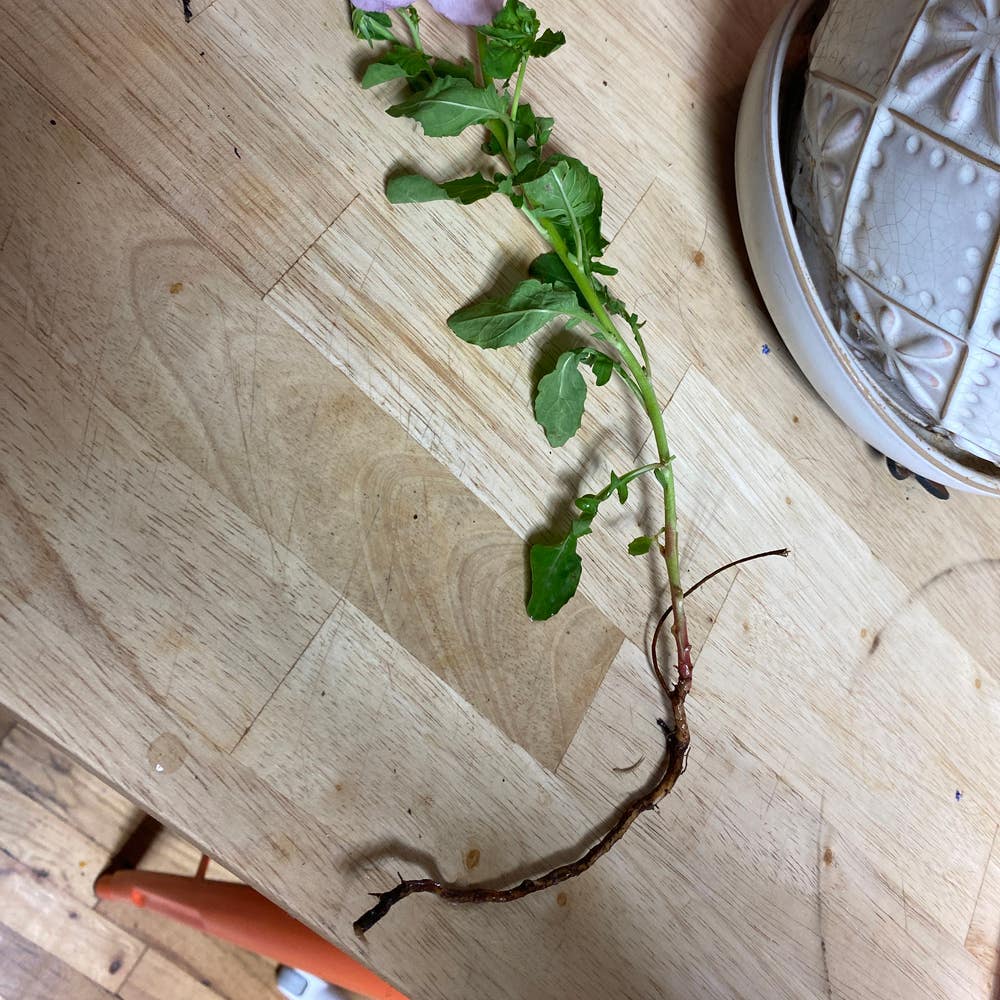
When your Lindheimer's Beeblossom starts to resemble a plant version of Houdini, with roots escaping the confines of its pot, it's a clear signal to repot. Roots should not be circling the pot's surface or making surprise appearances through drainage holes.
🚦 Sluggish Growth and Other SOS Signals
A once-thriving Beeblossom that's now slowing down in growth is essentially waving a white flag. Don't ignore leaves that droop like they've just heard sad violin music; they're telling you the plant's current residence is too snug. If watering your plant feels like you're pouring liquid straight through a colander, it's time for a change.
The Best Time to Give Your Beeblossom a New Home
🌱 Seasonal Smarts
Spring is your golden ticket for repotting Lindheimer's Beeblossom. It's not just about following the herd; there's science to it. This season is when your plant is in its prime growth mode, ready to take on the challenge of a new pot with gusto.
If you've missed the spring window, early fall is your safety net. Just make sure you're not flirting with the first frost—your plant needs a cozy settling-in period before winter's chill.
🔄 Plant's Lifecycle Considerations
Aligning repotting with your Beeblossom's growth phase isn't just smart; it's respectful. It's like syncing your watch with nature's clock. If your plant's doubled in size or it's been a year, it's time.
Fresh soil is like a spa day for your plant's roots—nutrient-rich and rejuvenating. And remember, while fertilizer has its place, sunlight is the real MVP in your plant's life. So, give it that fresh start and watch it thank you with growth.
The Repotting Rundown: A Step-by-Step Guide
🌱 Choosing the Perfect Pot
Let's talk pots. Size matters: one size up is the sweet spot. Too big, and you're swimming in soil; too small, and it's déjà vu. Drainage is non-negotiable—unless you're into root rot. A coffee filter or mesh at the bottom plays defense against soil escape while letting water out.
Terracotta is the O.G. of pots, breathable and great for moisture control, but it's heavy and breakable. Ceramic pots are the runway models—gorgeous but pricey and less porous. Plastic is the practical cousin: light, affordable, but not the most durable. Choose wisely, your plant's life depends on it.
💃 The Repotting Dance
Time to get your hands dirty. Gently coax the roots out; think of it as a plant spa day. The new pot should cradle your beeblossom like a hammock. For soil, think rich and well-draining—your plant's version of a gourmet meal. Water it just enough to settle in, like a soft rain on a spring day. No waterlogging, no droughts, just right.
Aftercare: Helping Your Beeblossom Bounce Back
🌱 The First Few Days
After the repotting shuffle, your Lindheimer's Beeblossom will need some time to acclimate. Here's the skinny on watering: go easy. Overwatering is like offering a drowning man a glass of water—it's well-intentioned but misguided. Keep the soil moist, but not so wet that your plant needs a life jacket.
🕵️ Monitoring and Adjusting
Observation is your new hobby. Droopy leaves? They're not just being dramatic; they're asking for help. Adjust your care routine like a DJ fine-tuning a mix. If your plant's leaves are turning into a yellow caution sign, it's time to reassess the water and light situation. Remember, the goal is to avoid turning your green thumb into a thumb of doom.
Watering wisdom post-repotting is all about balance. Start with a thorough watering to settle the soil, then let the topsoil dry out before going in for another splash. It's a dance of damp, not drenched. Too much H2O and you're on a one-way trip to root rot city.
Keep your Beeblossom in a spot with indirect light—think of it as a cozy nook away from the harsh realities of direct sunlight. And if you notice any sad, brown leaves, don't be afraid to give them the snip. It's not a punishment; it's an invitation for new growth.
Remember, patience is more than a virtue here; it's a necessity. Your plant won't bounce back overnight, but with the right care, it'll be strutting its stuff again in no time.
⚠️ Safety First
This content is for general information and may contain errors, omissions, or outdated details. It is not medical, veterinary advice, or an endorsement of therapeutic claims.
Always consult a qualified healthcare professional before using any plant as food, medicine, or supplement.
Never eat any plant (or feed one to pets) without confirming its identity with at least two trusted sources.
If you suspect poisoning, call Poison Control (800) 222-1222, the Pet Poison Helpline (800) 213-6680, or your local emergency service immediately.
Spotted an error? Please report it here.
Watch your Lindheimer's Beeblossom flourish post-repotting as Greg helps you perfectly balance 🌿 watering and care, ensuring a seamless transition to its new home.