🍃 Why the Leaves on Jatropha Turn Yellow
Jatropha spp.
By the Greg Editorial Team
Oct 22, 2024•5 min read
This article was created with the help of AI so we can cover more plants for you. May contain errors. See one? Report it here.
Transform your Jatropha's health 🌱 by learning to diagnose and treat those pesky yellow leaves!
- 🌱 Yellowing leaves indicate nutrient deficiencies or overwatering; assess your care routine.
- 💧 Check leaf texture: soft means overwatering, crisp suggests underwatering or nutrient stress.
- 🔍 Regular inspections and soil testing ensure Jatropha health and vibrant growth.
Diagnosing Yellow Leaves on Jatropha
👀 Visual Symptoms to Look For
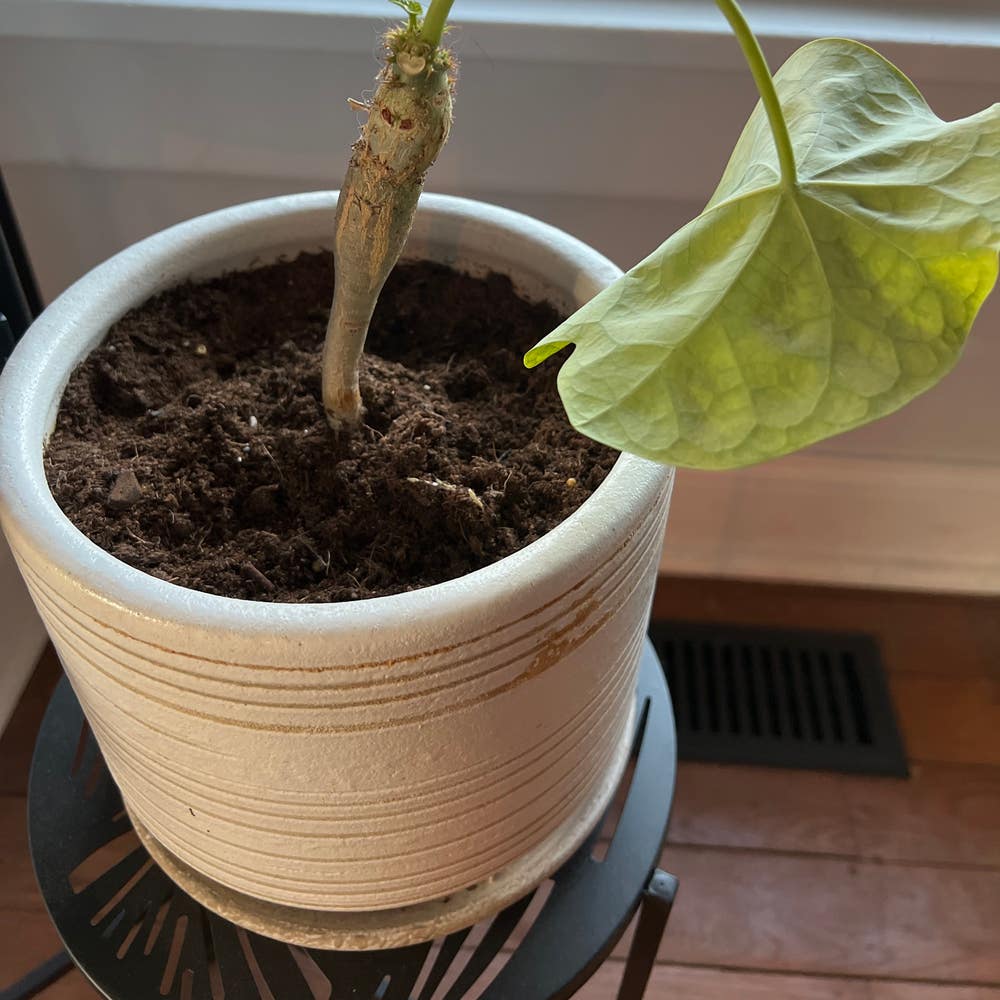
When diagnosing yellow leaves on Jatropha, start by observing the leaf color. Gradual yellowing often signals nutrient deficiencies, while sudden yellowing can indicate more urgent issues like overwatering.
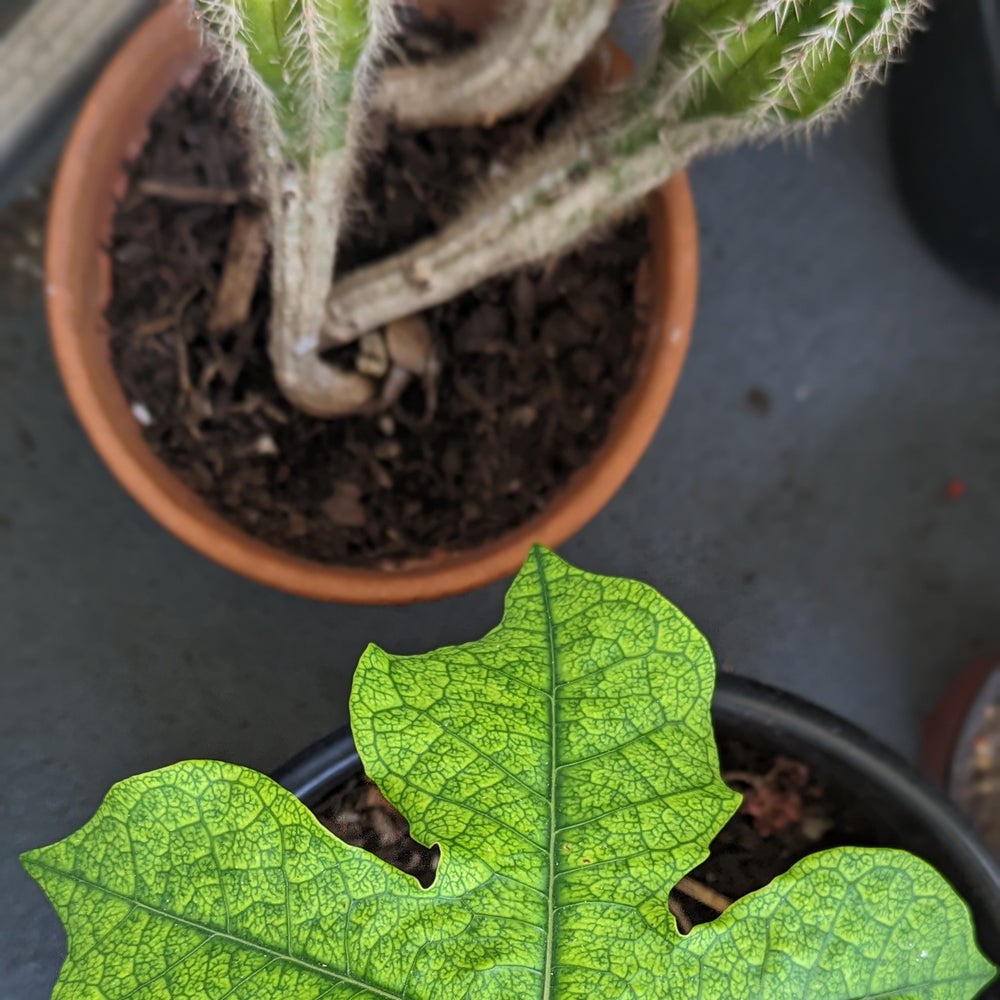
Next, check the leaf texture. Soft leaves may suggest overwatering, while crisp, dry leaves could point to underwatering or nutrient stress.
🩺 How to Assess Plant Health
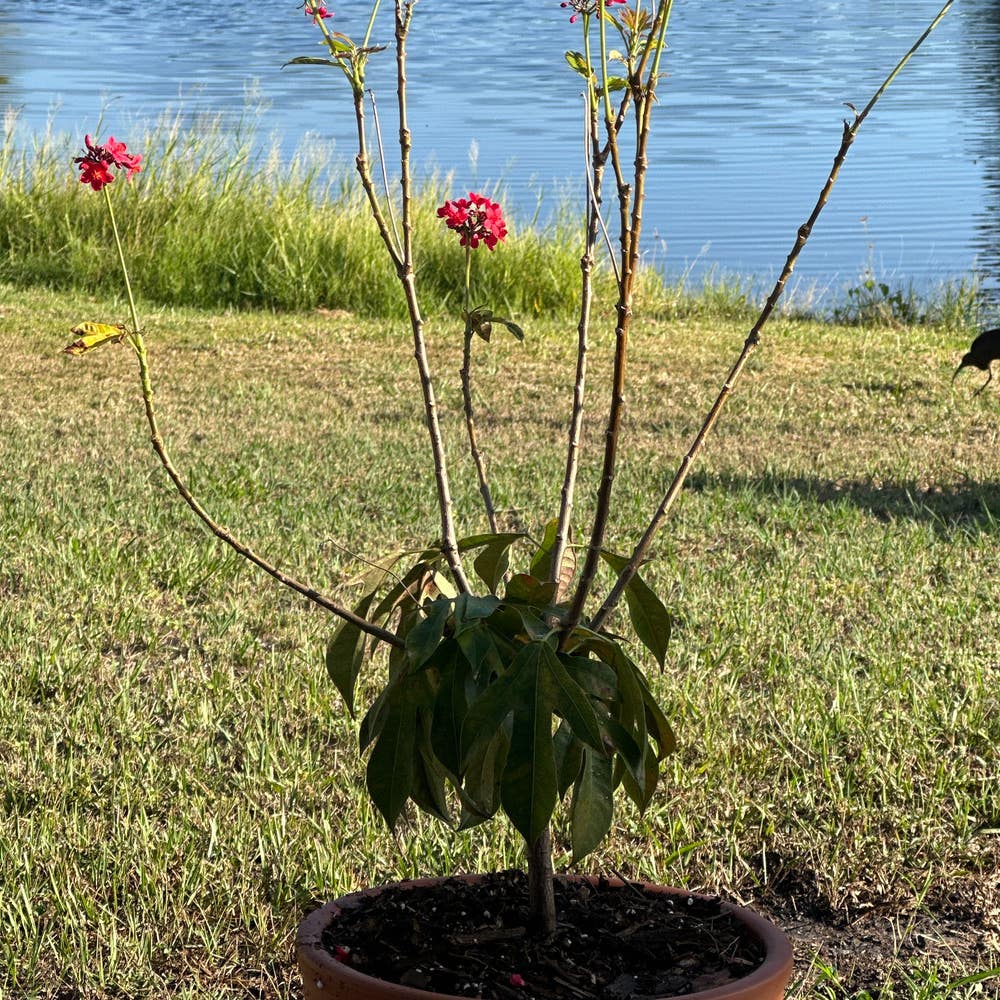
To assess the overall health of your Jatropha, look at its vigor. Healthy plants exhibit robust growth patterns, vibrant leaf size, and rich color.
Don't forget to inspect the root system. Firm, white roots are a sign of good health, while brown or mushy roots indicate problems that need immediate attention.
🧪 Importance of Soil Testing
Soil testing is crucial for maintaining Jatropha health. The ideal soil pH for Jatropha ranges from 6.0 to 7.5, ensuring optimal nutrient uptake.
Additionally, test for nutrient levels. Deficiencies in nitrogen, phosphorus, or potassium can lead to yellowing leaves, so regular checks can help you catch issues early.
By diagnosing these symptoms and assessing plant health, you can take proactive steps to keep your Jatropha thriving. Next, let’s explore effective prevention strategies to avoid yellow leaves altogether.
Preventing Yellow Leaves on Jatropha
💧 Proper Watering Techniques
Watering your Jatropha correctly is crucial for preventing yellow leaves. Allow the soil to dry out between waterings to promote healthy root development.
Deep watering is essential. This technique encourages roots to grow deeper, making your plant more resilient.
🌱 Soil Composition and Drainage
The right soil composition is vital for Jatropha's health. Aim for well-draining, sandy loam enriched with organic matter.
Good drainage prevents waterlogging, which can lead to root rot. Ensuring your plant has the right soil can make all the difference.
🥦 Fertilization Schedule and Types of Fertilizers
A balanced fertilization schedule helps keep your Jatropha thriving. Use balanced NPK fertilizers during the growing season for optimal results.
Apply fertilizers every 4-6 weeks while the plant is actively growing. This regular feeding supports robust growth and vibrant leaves.
🐞 Pest Management Strategies
Regular inspections are key to catching pest problems early. Check your Jatropha weekly for any signs of pests.
Consider using organic control methods like neem oil or insecticidal soap. These options are effective and safer for your plant and the environment.
By implementing these preventive measures, you can maintain the health of your Jatropha and keep those yellow leaves at bay. Next, let’s explore how to treat yellow leaves if they do appear.
Treating Yellow Leaves on Jatropha
🌱 Step-by-Step Guide to Amend Nutrient Deficiencies
Identifying nutrient deficiencies is crucial for reviving your Jatropha. Start by determining whether the issue is nitrogen or iron-related.
Next, select the appropriate fertilizer. For nitrogen deficiencies, opt for a high-nitrogen fertilizer; for iron, choose a chelated iron product.
Finally, apply the fertilizer according to the package instructions. This ensures your plant receives the right nutrients without overdoing it.
💧 How to Treat Overwatering Issues
Overwatering can be a sneaky culprit behind yellow leaves. Begin by assessing the soil moisture and drainage.
If the soil feels soggy, reduce your watering frequency. In severe cases, consider repotting your Jatropha in fresh, well-draining soil to promote recovery.
🐛 Pest Control Methods
Pests can wreak havoc on your Jatropha's health. Start with manual removal by handpicking visible pests or using a strong spray of water to dislodge them.
If the infestation persists, chemical treatments may be necessary. Apply insecticidal soap or neem oil as needed to keep those pests at bay.
🌤️ Adjusting Environmental Conditions
Environmental factors play a significant role in plant health. For extreme weather, consider moving your Jatropha indoors to protect it from temperature fluctuations.
Additionally, if your plant isn’t getting enough sunlight, relocate it to a sunnier spot. This simple adjustment can make a world of difference in its recovery.
By addressing these issues, you can help your Jatropha bounce back from yellowing leaves. Next, let’s explore how to monitor your plant's health effectively.
Monitoring Jatropha Health
🌿 Regular Inspection Routines
To keep your Jatropha thriving, establish a weekly inspection routine. During these checks, look for yellowing leaves, pests, and overall plant health.
Pay attention to leaf color and growth patterns. Any signs of stress can indicate underlying issues that need addressing.
🌱 Signs of Recovery from Yellowing
As your Jatropha begins to recover, you’ll notice new growth. Healthy, green leaves are a promising sign that your plant is bouncing back.
Additionally, improved vigor is evident through increased leaf size and overall plant health. These indicators show that your care is paying off.
🩺 When to Seek Professional Help
If yellowing persists despite your best efforts, it may be time to consult a professional. Persistent issues can signal deeper problems that require expert intervention.
Severe pest infestations or worsening disease symptoms are also red flags. Don’t hesitate to seek help to ensure your Jatropha gets the care it needs.
Monitoring your plant's health is crucial for its longevity. With regular checks and timely interventions, you can keep your Jatropha vibrant and flourishing.
⚠️ Safety First
This content is for general information and may contain errors, omissions, or outdated details. It is not medical, veterinary advice, or an endorsement of therapeutic claims.
Always consult a qualified healthcare professional before using any plant as food, medicine, or supplement.
Never eat any plant (or feed one to pets) without confirming its identity with at least two trusted sources.
If you suspect poisoning, call Poison Control (800) 222-1222, the Pet Poison Helpline (800) 213-6680, or your local emergency service immediately.
Spotted an error? Please report it here.
Combat yellowing leaves and keep your Jatropha thriving 🌿 with Greg's tailored watering reminders and nutrient tips for vibrant growth!