💡 Common Jatropha Problems and Solutions
Jatropha spp.
By the Greg Editorial Team
Oct 22, 2024•6 min read
This article was created with the help of AI so we can cover more plants for you. May contain errors. See one? Report it here.
Revive your Jatropha 🌱 with essential care tips to tackle common problems and ensure vibrant growth!
- 💧 Overwatering causes yellow leaves and root rot; ensure proper drainage and dry soil.
- ☀️ Jatropha needs 6-8 hours of sunlight daily to prevent leggy growth and leaf drop.
- 🐛 Early pest detection is key; look for sticky residue or webbing on leaves.
Incorrect Watering
💧 Overwatered Jatropha ((difficulty:moderate))
Symptoms
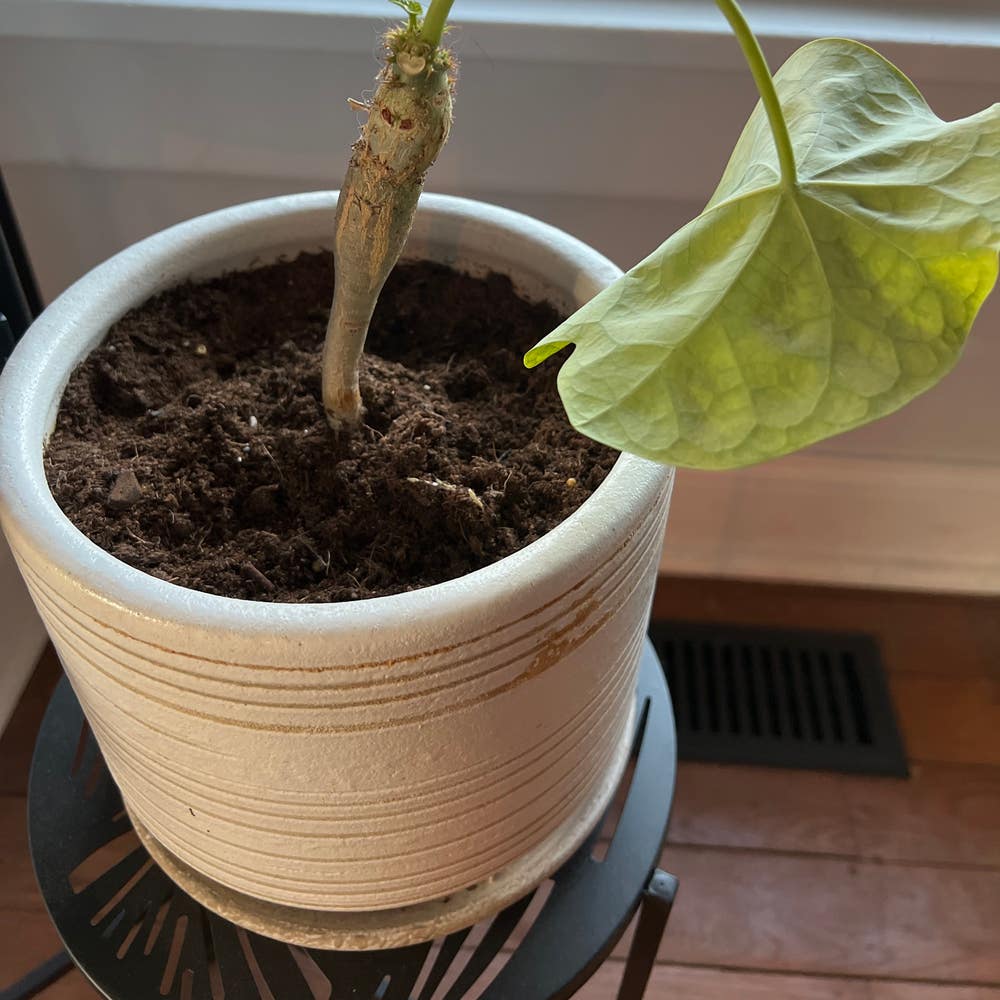
Overwatered Jatropha plants often display yellowing leaves, particularly on the lower branches. You might also notice wilting, even when the soil feels wet, and signs of root rot, such as mushy, dark roots.
Causes and Solutions
The primary cause of overwatering is poor drainage or excessive watering. To remedy this, allow the soil to dry out, improve drainage, and consider repotting if necessary.
🚰 Underwatered Jatropha ((difficulty:easy))
Symptoms
Underwatered Jatropha plants exhibit dry, crispy leaves and may appear wilting and drooping. You might also see the soil pulling away from the edges of the pot.
Causes and Solutions
Infrequent watering or dry conditions typically lead to underwatering. To address this, water thoroughly, ensure consistent moisture, and consider using the Greg plant care app for timely reminders.
By keeping an eye on watering habits, you can help your Jatropha thrive. Next, let’s explore how incorrect light conditions can impact your plant’s health.
Incorrect Light Conditions
Symptoms 🌱
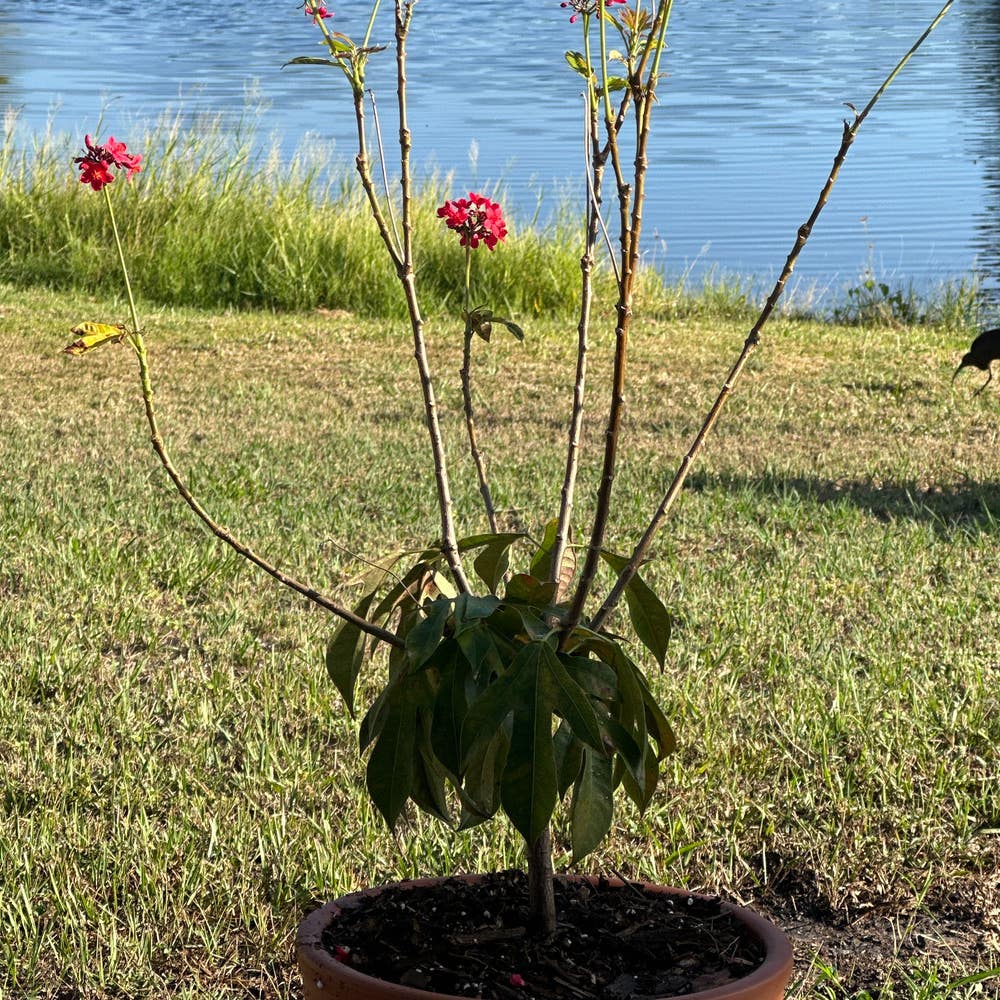
Leggy growth is a telltale sign of insufficient light. You'll notice elongated stems with sparse leaves, along with leaf drop or yellowing.
Causes and Solutions 💡
The primary cause here is inadequate sunlight exposure. To remedy this, move your Jatropha to a brighter location and ensure it receives 6-8 hours of direct sunlight daily.
By addressing light conditions promptly, you can help your Jatropha thrive and prevent further issues. Next, let’s explore how temperature affects your plant's health.
Incorrect Temperature
Symptoms 🌡️
Extreme temperatures can wreak havoc on your Jatropha. Look out for leaf scorch or browning edges, as well as stunted growth or dormancy.
Causes and Solutions 🛠️
The primary culprit here is exposure to extreme temperatures, either below 10°C or above 35°C.
To combat this, consider relocating your plant to a more stable environment. If you anticipate extreme weather, using protective coverings can also help shield your Jatropha from temperature fluctuations.
By keeping an eye on temperature conditions, you can ensure your Jatropha thrives rather than just survives. Now, let’s explore how to tackle pests and diseases that can also affect your plant's health.
Pests and Diseases
🐛 Common Pests Affecting Jatropha
Identifying pests early is crucial for maintaining a healthy Jatropha plant. Look for signs like sticky residue, webbing, or visible insects on the leaves.
Treatment
To combat these pests, consider using insecticidal soap or neem oil. You can also introduce beneficial insects that prey on harmful pests, creating a natural balance in your garden.
🍄 Fungal Issues
Fungal problems can be more challenging but are manageable with the right approach. Here are some common fungal issues that can affect Jatropha.
Powdery Mildew
Symptoms
Powdery mildew manifests as white, powdery spots on leaves. This unsightly condition can hinder your plant's growth.
Causes and Treatment
High humidity and poor air circulation often lead to this issue. To treat it, improve airflow around your plant and apply fungicides as needed.
Rust
Symptoms
Rust appears as orange or rust-colored spots on leaves. This can weaken your plant and affect its overall health.
Causes and Treatment
Fungal infections due to moisture are the primary cause of rust. Remove affected leaves promptly and apply rust treatment fungicides to prevent further spread.
Black Rot and Blight
Symptoms
Dark lesions on leaves and stems are telltale signs of black rot and blight. These can severely damage your plant if not addressed.
Causes and Treatment
Fungal pathogens thrive in damp conditions, leading to these issues. Remove infected parts immediately and use appropriate fungicides to protect the rest of your plant.
By staying vigilant against pests and diseases, you can keep your Jatropha thriving. Next, let’s explore root and leaf problems that may arise and how to tackle them effectively.
Root and Leaf Problems
🌱 Root Rot and Squishy Roots ((difficulty:moderate))
Symptoms
Wilting can be frustrating, especially when the soil feels wet. If your Jatropha's roots are mushy, it's a clear sign of trouble.
Causes and Solutions
Overwatering and poor drainage are often the culprits behind root rot. To remedy this, allow the soil to dry out, improve drainage, and consider repotting if necessary.
🍃 Leaf Issues ((difficulty:moderate))
Symptoms
Look out for scorched leaf edges, yellowing leaves, or fuzzy growth on your Jatropha. These symptoms indicate that something isn't quite right.
Causes and Solutions
Environmental stress, pests, or diseases can lead to these leaf problems. Adjust your care practices accordingly and treat for pests or diseases as needed to restore your plant's health.
By addressing root and leaf issues promptly, you can help your Jatropha thrive. Next, let’s explore common growth problems and how to tackle them effectively.
Growth Problems
Symptoms 🌱
If your Jatropha is showing stunted growth, a lack of flowers or fruit, or leaning stems, it’s time to take a closer look. These signs indicate that something is off in its care routine.
Causes and Solutions 🛠️
The primary culprits behind these growth issues are poor light conditions, nutrient deficiencies, or pest infestations.
Poor Light
Ensure your Jatropha receives adequate light. Ideally, it should bask in 6-8 hours of direct sunlight daily. If it’s not getting enough light, consider relocating it to a brighter spot.
Nutrient Deficiencies
Fertilizing appropriately can make a world of difference. Use a balanced fertilizer during the growing season to provide essential nutrients that promote healthy growth.
Pests
Regularly check for pests that might be stunting your plant’s growth. If you spot any, treat them promptly with insecticidal soap or neem oil to keep your Jatropha thriving.
By addressing these factors, you can help your Jatropha flourish and enjoy a vibrant, healthy plant. Next, let’s explore preventive measures to keep your Jatropha in top shape.
Preventive Measures
Importance of Early Detection 🌱
Regular monitoring of your Jatropha is crucial. Spotting signs of distress early can prevent more severe issues down the line.
Regular Monitoring and Care Reminders ⏰
Utilizing tools like the Greg plant care app can make a significant difference. Set timely reminders for watering and care to keep your plant thriving.
Seasonal Variations 🌦️
Being aware of seasonal changes is essential for effective plant care. Adjust your practices accordingly to anticipate potential issues, ensuring your Jatropha remains healthy year-round.
By staying proactive and attentive, you can enjoy a flourishing Jatropha while minimizing common problems. Next, let’s explore the various pests and diseases that can affect your plant.
⚠️ Safety First
This content is for general information and may contain errors, omissions, or outdated details. It is not medical, veterinary advice, or an endorsement of therapeutic claims.
Always consult a qualified healthcare professional before using any plant as food, medicine, or supplement.
Never eat any plant (or feed one to pets) without confirming its identity with at least two trusted sources.
If you suspect poisoning, call Poison Control (800) 222-1222, the Pet Poison Helpline (800) 213-6680, or your local emergency service immediately.
Spotted an error? Please report it here.
Keep your Jatropha thriving 🌿 by using Greg's tailored reminders and expert tips to tackle common issues and ensure it gets the care it needs!