How Fast Your Jatropha Will Grow 🐢
Jatropha spp.
By the Greg Editorial Team
Oct 22, 2024•5 min read
This article was created with the help of AI so we can cover more plants for you. May contain errors. See one? Report it here.
Master Jatropha's growth stages 🌱 to cultivate thriving plants and boost your biofuel potential!
- 🌱 Jatropha seeds germinate best at 25°C to 30°C; ensure optimal temperatures for success.
- 💧 Consistent moisture is key; keep soil moist but well-drained to prevent rot.
- 🌞 Full sun exposure boosts growth; seedlings thrive with plenty of sunlight.
Seed Germination
🌱 Conditions for Successful Germination
For Jatropha seeds to thrive, they need specific conditions. The optimal temperature ranges from 25°C to 30°C (77°F to 86°F), ensuring a warm environment for growth.
Soil moisture is crucial; it should be consistently moist but well-drained. Too much water can lead to rot, while too little can hinder germination. Additionally, seeds require indirect sunlight during their initial growth phase to avoid scorching.
⏳ Duration of Germination Stage
The germination stage typically lasts between 5 to 14 days. This duration can vary based on soil temperature and moisture levels, so keep an eye on those conditions.
If the soil is warm and adequately moist, you can expect quicker germination. Conversely, cooler or drier conditions may extend this period.
🔍 Notable Changes During Germination
As germination progresses, you'll notice significant changes in the seeds. Initially, the seeds swell and soften, preparing for growth.
Soon after, the radicle (the root) emerges, followed by the cotyledons, which are the seed leaves. This marks the beginning of root establishment, setting the stage for robust seedling development.
Understanding these changes can enhance your gardening experience and help you nurture your Jatropha plants effectively.
With a solid foundation in germination, you're ready to explore the next stage: the seedling phase.
Seedling Stage
🌱 Characteristics of Jatropha Seedlings
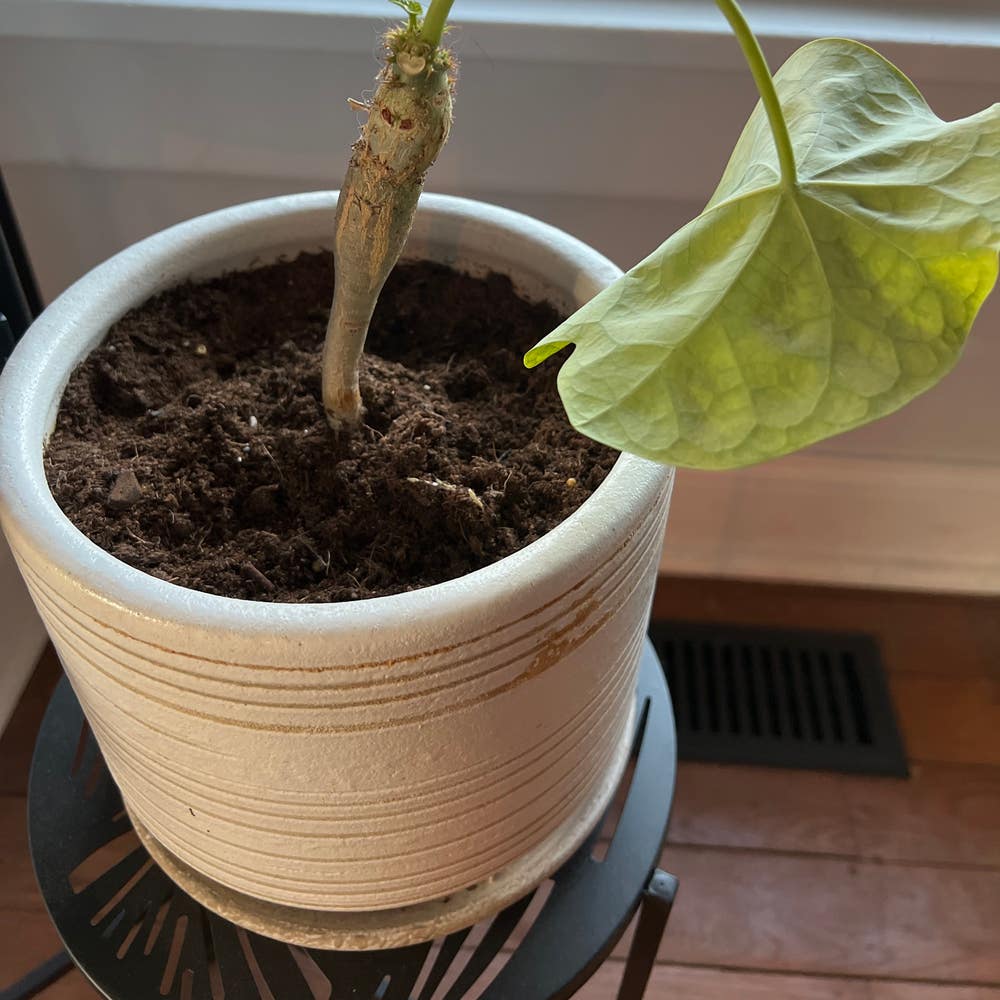
Jatropha seedlings are a sight to behold, showcasing small, vibrant green leaves that give them a bushy appearance. By the end of this stage, they typically reach heights of 10 to 30 cm (4 to 12 inches), signaling healthy growth.
⏳ Duration of the Seedling Stage
The seedling stage lasts an average of 4 to 8 weeks. Factors like soil quality and environmental conditions play a crucial role in determining how quickly your seedlings thrive.
🌞 Environmental Factors Affecting Growth
Light Requirements
For optimal growth, Jatropha seedlings need full sun exposure. This ensures they receive the energy necessary for robust development.
💧 Water Needs
Regular watering is essential, but be cautious of waterlogging. Striking a balance will keep your seedlings healthy and thriving.
🌿 Nutrient Availability
Fertile, well-draining soil is key to enhancing seedling vigor. Nutrients in the soil support strong growth and overall plant health.
As your Jatropha seedlings flourish, they set the stage for the next exciting phase: vegetative growth. This transition is crucial for the plant's development and future productivity.
Vegetative Growth
🌱 Description of Vegetative Growth Phase
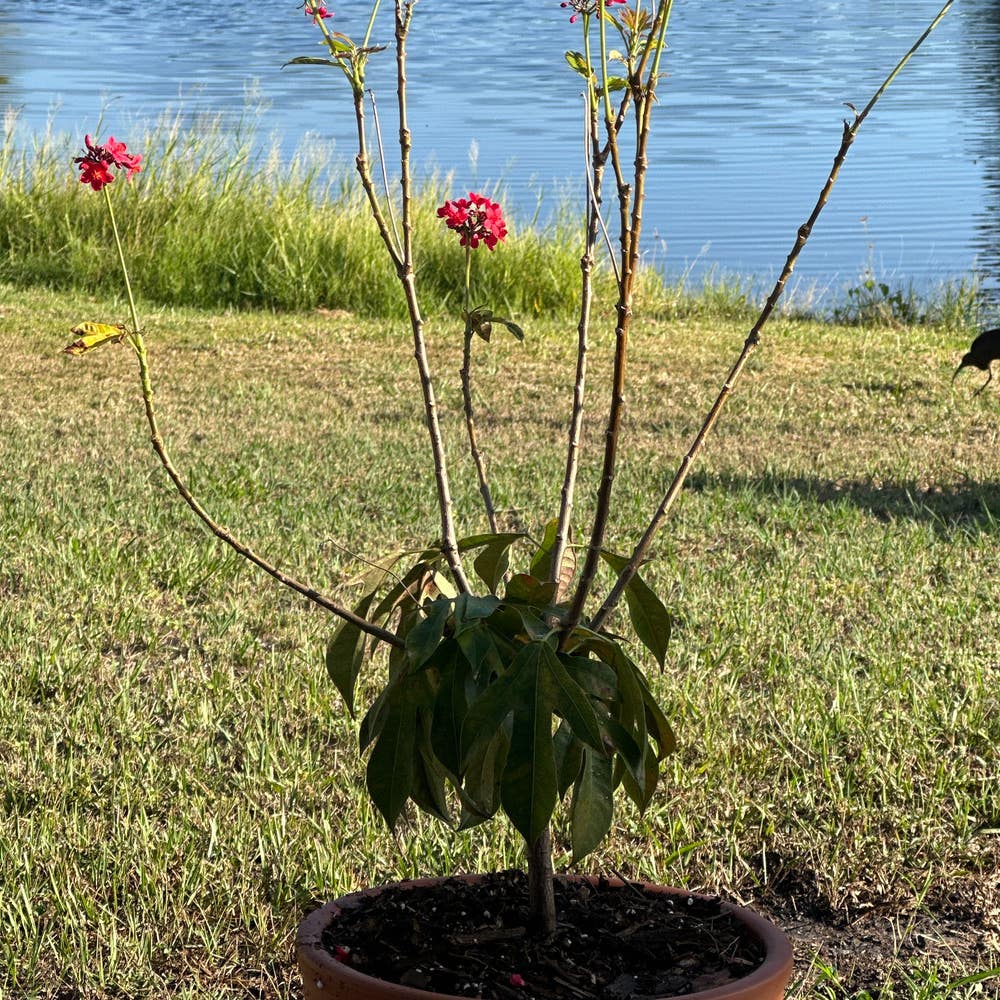
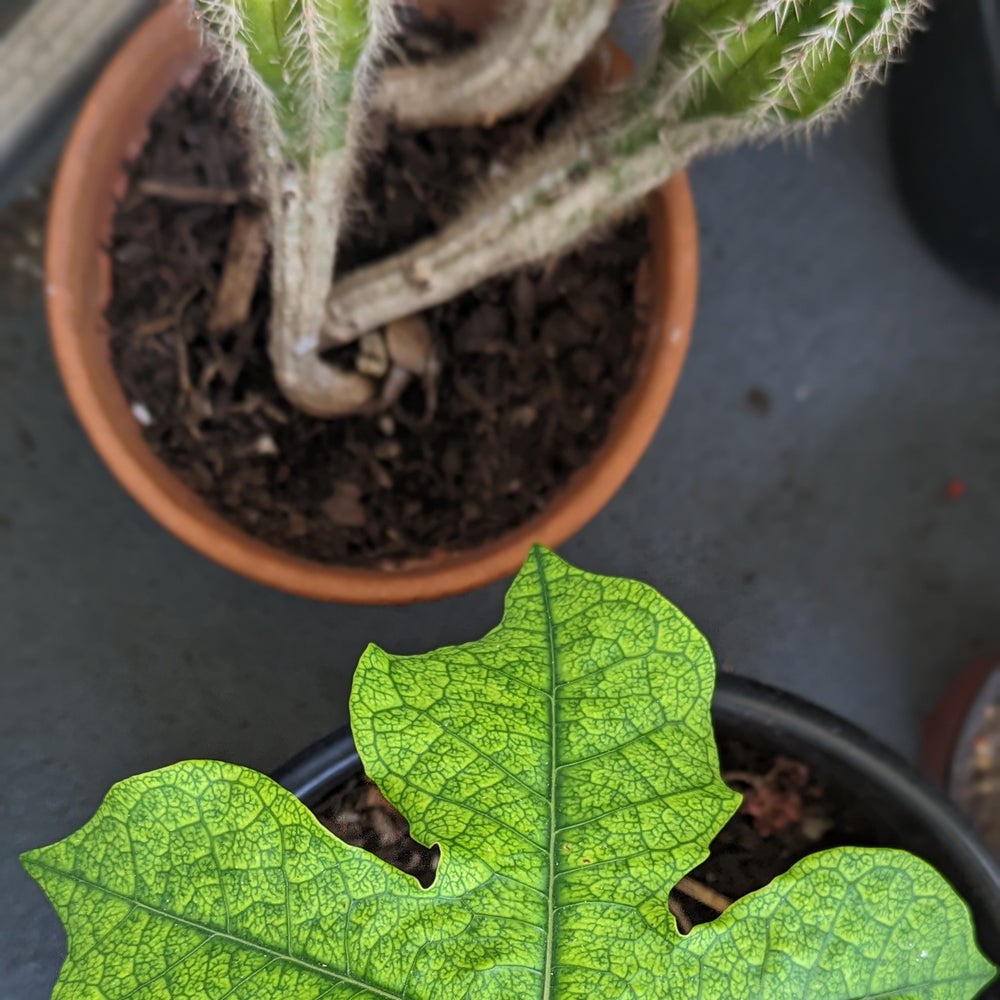
During the vegetative growth phase, Jatropha plants develop a bushy structure adorned with large, lobed leaves. This stage is characterized by increased height and branching, with plants reaching up to 1 meter (3 feet) in just a few months.
⏳ Duration and Conditions for Optimal Growth
The average duration of this phase ranges from 3 to 6 months. For optimal growth, Jatropha thrives in warm temperatures and requires consistent watering to maintain its vigor.
🌿 Changes in Plant Structure and Health
As the plant progresses, you'll notice significant leaf expansion and thickening of the stems. An enhanced root system develops, improving nutrient and water uptake, which is crucial for overall health.
Indicators of a thriving Jatropha include dark green leaves and robust growth. These signs reflect the plant's ability to adapt and flourish in its environment.
Understanding the vegetative growth phase is essential for maximizing the health and productivity of your Jatropha. This stage sets the foundation for the subsequent flowering and seed production phases, ensuring a successful life cycle.
Next, we will explore the flowering stage, where the plant begins to showcase its vibrant blooms.
Flowering Stage
Timing and Conditions for Flowering 🌱
The flowering stage of Jatropha begins approximately 6 to 8 months after germination. This timing can vary based on environmental conditions, with warm temperatures and adequate moisture being crucial for optimal flowering.
Characteristics of Jatropha Flowers 🌼
Jatropha flowers are visually striking, appearing in clusters of small blooms that range from yellow to red. These flowers are primarily self-pollinating, which means they can reproduce without needing external pollinators, although they do attract bees and other beneficial insects.
Duration of the Flowering Stage ⏳
The flowering stage typically lasts between 2 to 3 months. However, several factors can influence this duration, including environmental stressors and the availability of nutrients.
As Jatropha transitions through its flowering stage, it sets the stage for seed production, which is vital for both ecological balance and economic value. Understanding this phase is key to maximizing the plant's potential.
Seed Production
Overview of the Reproductive Cycle 🌸
Seed production in Jatropha kicks off shortly after the flowering stage. As flowers bloom, fruit begins to form and mature on the plant, marking a crucial phase in its life cycle.
Economic Importance of Seed Production 💰
This stage is vital not just for the plant's survival but also for its economic value, particularly in biofuel production. Jatropha seeds are rich in oil, making them a sought-after resource in renewable energy.
Duration of Seed Production Phase ⏳
The average duration for seed production is about 3 to 4 months from flowering to seed maturity. However, this timing can vary based on environmental conditions and the overall health of the plant.
Factors Influencing Seed Yield 📈
Several factors can impact seed yield significantly:
- Pollination Success Rates: Effective pollination is essential for fruit development.
- Nutrient Availability: A nutrient-rich environment boosts seed production.
- Water Supply: Consistent watering without waterlogging is crucial.
- Pest and Disease Management: Keeping pests and diseases at bay ensures healthier plants and better yields.
Summary of Notable Changes Throughout the Life Cycle 🔄
Throughout its life cycle, Jatropha transitions from seed to seedling, then to vegetative growth, followed by flowering and finally seed production. Each stage plays a vital role in the plant's health and productivity, ultimately contributing to its success as a biofuel source.
This journey from seed to seed production showcases the resilience and adaptability of Jatropha, making it a fascinating plant to cultivate. Next, we will explore the flowering stage in more detail, highlighting its significance in the overall growth process.
⚠️ Safety First
This content is for general information and may contain errors, omissions, or outdated details. It is not medical, veterinary advice, or an endorsement of therapeutic claims.
Always consult a qualified healthcare professional before using any plant as food, medicine, or supplement.
Never eat any plant (or feed one to pets) without confirming its identity with at least two trusted sources.
If you suspect poisoning, call Poison Control (800) 222-1222, the Pet Poison Helpline (800) 213-6680, or your local emergency service immediately.
Spotted an error? Please report it here.
Unlock the full potential of your Jatropha's growth stages 🌿 by using Greg's tailored watering plans and reminders to ensure your plant thrives from seed to seed production!