🥔 Ultimate Guide to Jatropha Roots
Jatropha spp.
By the Greg Editorial Team
Oct 22, 2024•6 min read
This article was created with the help of AI so we can cover more plants for you. May contain errors. See one? Report it here.
Cultivate thriving Jatropha plants by mastering their vital root systems for resilience and growth! 🌱🌍
- 🌱 Jatropha's taproot reaches 3-6 feet, thriving in arid conditions for moisture access.
- 🌍 Healthy roots are crucial for stability and nutrient absorption, preventing issues like root rot.
- 🔄 Repotting and pruning help rootbound plants recover, promoting better growth and health.
Description of Root Type
Taproot System 🌱
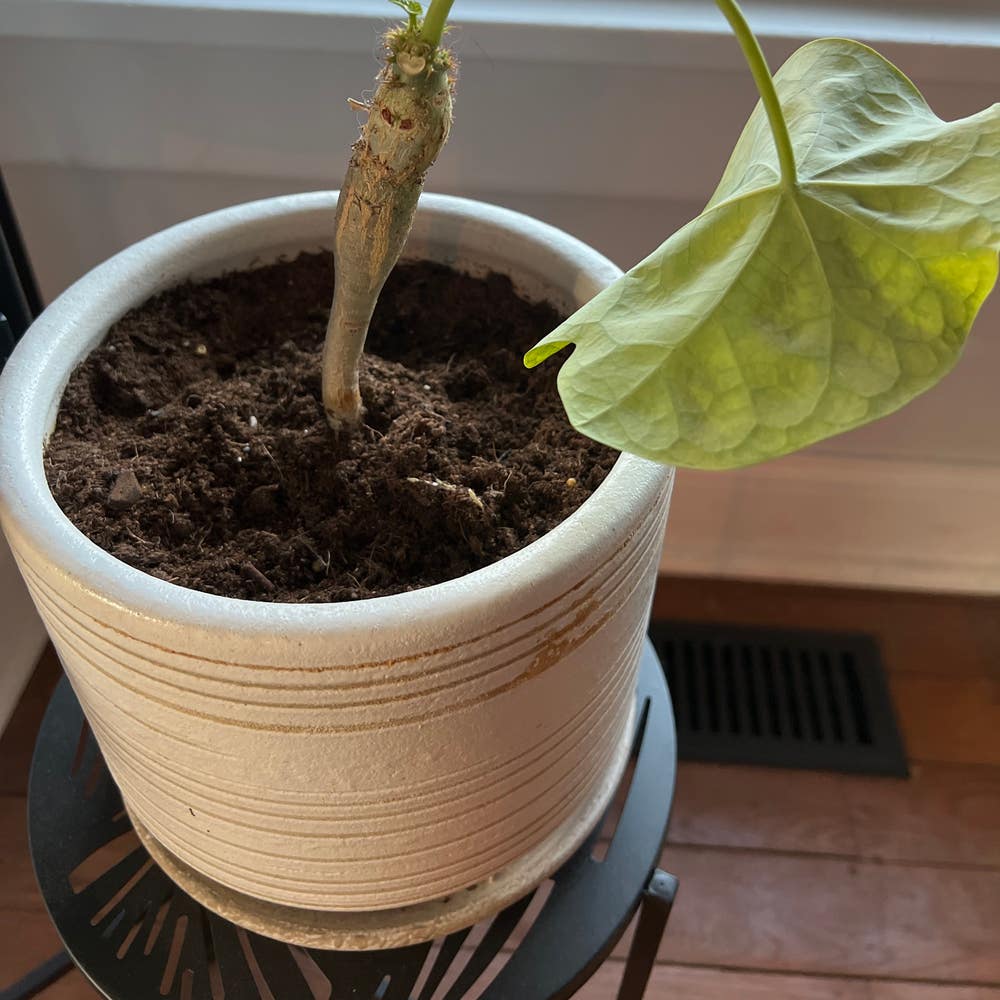
The taproot system features a single, thick primary root that delves deep into the soil. This structure is crucial for the plant's survival, especially in arid conditions.
Characteristics of the Taproot 🌍
Depth: Taproots can reach impressive depths, often accessing moisture that other plants can't during dry spells. This ability is vital for the plant's resilience.
Resilience: Adapted to withstand drought, the taproot allows Jatropha to thrive in challenging environments. Its deep anchorage provides stability even in tough conditions.
Fibrous Roots 🌿
Fibrous roots branch out horizontally from the taproot, creating a network that supports the plant. These secondary roots play a pivotal role in the overall health of Jatropha.
Importance of Fibrous Roots 🌾
Nutrient Absorption: The fibrous roots are essential for stability and nutrient uptake, ensuring the plant receives the necessary elements for growth.
Spread: Their horizontal spread helps anchor the plant securely in the soil, preventing it from being uprooted by wind or erosion.
Understanding these root types is fundamental for anyone looking to cultivate Jatropha effectively. Healthy roots lead to a robust plant, setting the stage for optimal growth and resilience.
Next, we will explore the root depth and spread, delving into how these factors influence the overall health of Jatropha.
Root Depth and Spread
Typical Root Depth 🌱
The average depth of Jatropha roots ranges from 3 to 6 feet, depending largely on soil conditions. Factors such as soil type, moisture availability, and the age of the plant play crucial roles in determining how deep these roots can grow.
Root Spread and Growth Patterns 🌍
Jatropha roots can spread horizontally up to 10 feet from the base, which is impressive for stability.
Seasonal Variations
Roots tend to grow more actively during wet seasons, taking advantage of the increased moisture.
Stability
This wide spread not only helps anchor the plant but also provides resilience against wind and erosion, ensuring it remains firmly rooted in its environment.
Understanding these aspects of root depth and spread is essential for anyone looking to cultivate healthy Jatropha plants. Next, we’ll explore how the root system influences watering and fertilizing strategies.
Watering and Fertilizing
How Root System Affects Watering Needs 🌱
Watering your Jatropha is crucial for its root system, especially the taproot. Deep watering encourages this primary root to grow deeper, allowing the plant to access moisture even during dry spells.
However, be cautious of overwatering. Signs like wilting, yellowing leaves, and root rot indicate that your plant may be drowning rather than thriving.
Fertilization Strategies Based on Root Health 🌿
When it comes to fertilization, balanced NPK fertilizers are your best bet. These provide essential nutrients that support root health and overall plant vigor.
Timing is key; fertilize during the growing season, from spring to early fall. Keep an eye on your plant's health and adjust your fertilization strategy based on its needs.
Understanding how to water and fertilize effectively will set the stage for a thriving Jatropha. Next, let’s explore common root-related issues that can arise and how to tackle them.
Common Root-Related Issues
Identifying Root Problems 🌱
Root health is crucial for the overall vitality of Jatropha plants. One of the most common issues is root rot, characterized by mushy roots and a foul odor. This condition often arises from overwatering or poorly draining soil.
Pests can also wreak havoc on root systems. Nematodes and root weevils are notorious for damaging roots, leading to stunted growth and nutrient deficiencies.
Tips for Prevention and Solutions 🛡️
Preventing root-related issues starts with proper care. Ensure your soil is well-draining and avoid overwatering to keep roots healthy.
If you encounter root rot, act quickly: remove the affected roots and repot the plant in fresh, dry soil. For pest problems, consider using organic pesticides or introducing beneficial nematodes to combat harmful pests effectively.
By staying vigilant and proactive, you can maintain the health of your Jatropha roots and ensure robust growth.
Next, let’s explore how to distinguish between healthy and unhealthy roots.
Healthy vs. Unhealthy Roots
Visual Cues for Healthy Roots 🌱
Healthy roots are a gardener's pride. They typically exhibit a vibrant white or light tan color, signaling vitality.
Their texture should be firm and pliable, indicating robust growth. If you find roots that are mushy or brittle, it’s a sign that something is amiss.
Indicators of Unhealthy Roots 🚫
Unhealthy roots tell a different story. Dark brown or black roots are a clear indication of rot, which can spell trouble for your plant.
Additionally, if the roots feel soft and mushy, it often points to overwatering or disease. Keeping an eye on these visual cues is essential for maintaining a thriving Jatropha.
Understanding the difference between healthy and unhealthy roots can significantly impact your plant care strategy. This knowledge sets the stage for addressing root-related issues effectively, ensuring your Jatropha remains healthy and vibrant.
Rootbound Plants
Definition and Signs 🌱
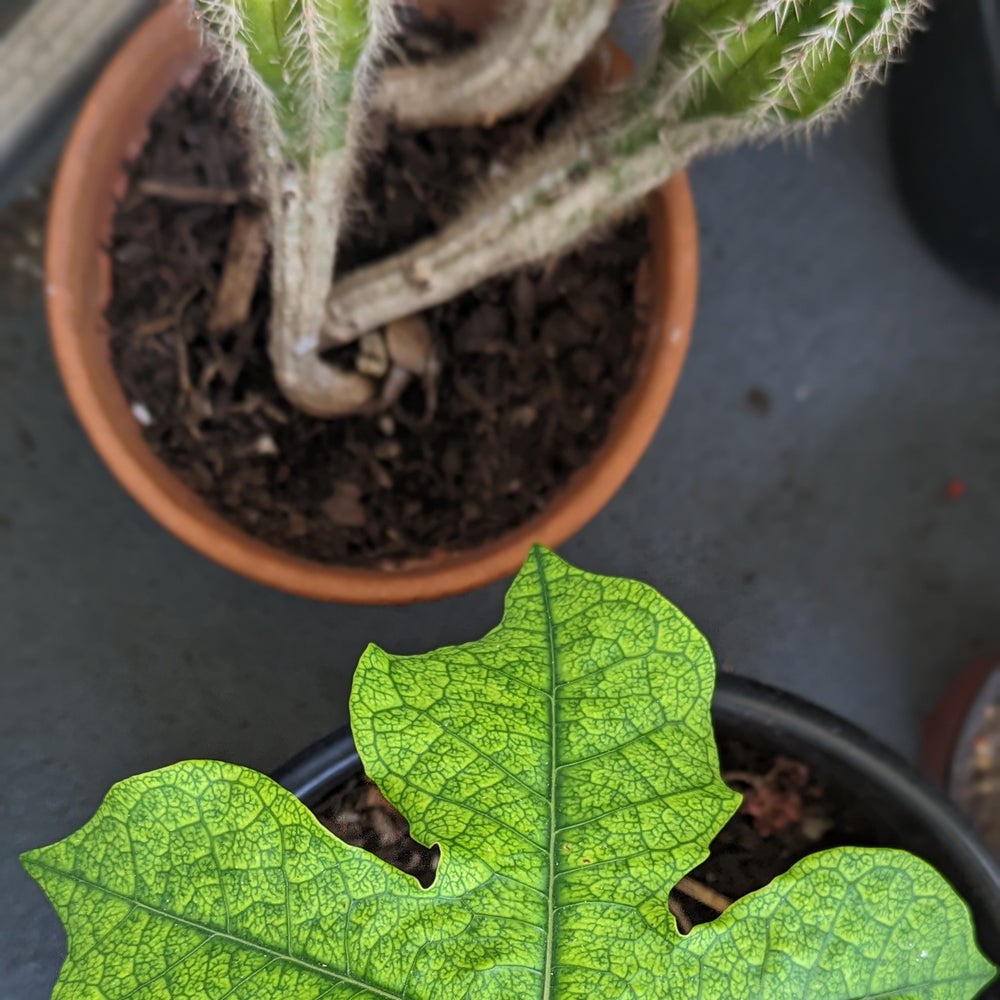
Rootbound plants experience a condition where roots grow in circles around the pot, which restricts their growth. You can spot this issue through symptoms like stunted growth, roots emerging from drainage holes, and poor water absorption.
Solutions for Rootbound Issues 🔧
To remedy rootbound problems, repotting is essential. Move the plant to a larger pot filled with fresh soil to give it room to thrive.
Pruning is another effective solution. Trim back the circling roots to encourage new growth and help the plant establish itself better in its new environment.
Understanding rootbound conditions is crucial for maintaining healthy plants. By addressing these issues promptly, you can ensure your Jatropha continues to flourish and grow robustly.
Next, we’ll explore the importance of root health in propagation and how to maintain it effectively.
Importance of Root Health in Propagation
Maintaining Root Health During Propagation 🌱
When propagating Jatropha, maintaining root health is crucial. Use clean, sharp tools to minimize damage during cutting, ensuring a smoother recovery for the plant.
Timing also plays a vital role. Propagate during the growing season for the best results, as this is when the plant is most active and capable of healing.
Techniques for Dividing Effectively ✂️
To effectively divide your Jatropha, follow these steps:
- Select a healthy parent plant. Look for one that shows robust growth and vitality.
- Cut sections with at least one root node. This increases the chances of successful propagation.
- Allow cuttings to callous for 24 hours before planting. This step helps prevent rot.
- Plant in well-draining soil and water lightly. Ensure the soil is moist but not soggy to promote healthy root development.
By following these techniques, you can enhance the chances of successful propagation and contribute to the overall health of your Jatropha plants. Healthy roots lead to thriving plants, setting the stage for robust growth and resilience.
Next, we’ll explore the signs of healthy versus unhealthy roots, helping you identify potential issues early on.
⚠️ Safety First
This content is for general information and may contain errors, omissions, or outdated details. It is not medical, veterinary advice, or an endorsement of therapeutic claims.
Always consult a qualified healthcare professional before using any plant as food, medicine, or supplement.
Never eat any plant (or feed one to pets) without confirming its identity with at least two trusted sources.
If you suspect poisoning, call Poison Control (800) 222-1222, the Pet Poison Helpline (800) 213-6680, or your local emergency service immediately.
Spotted an error? Please report it here.
Unlock the secret to thriving Jatropha roots 🌿 with Greg's personalized watering and nutrient tips, ensuring your plant flourishes even in the toughest conditions!