📏 How Big a Jatropha Gets
Jatropha spp.
By the Greg Editorial Team
Oct 22, 2024•5 min read
This article was created with the help of AI so we can cover more plants for you. May contain errors. See one? Report it here.
Transform your garden with thriving Jatropha plants 🌱 by mastering their growth, size, and care essentials!
- 🌱 Jatropha grows 3 to 10 feet tall, depending on variety and conditions.
- 🌿 Dwarf varieties reach 2 to 3 feet, perfect for small spaces.
- 🌞 Optimal care and sunlight lead to faster growth and healthier plants.
Mature Height and Spread
Height 🌱
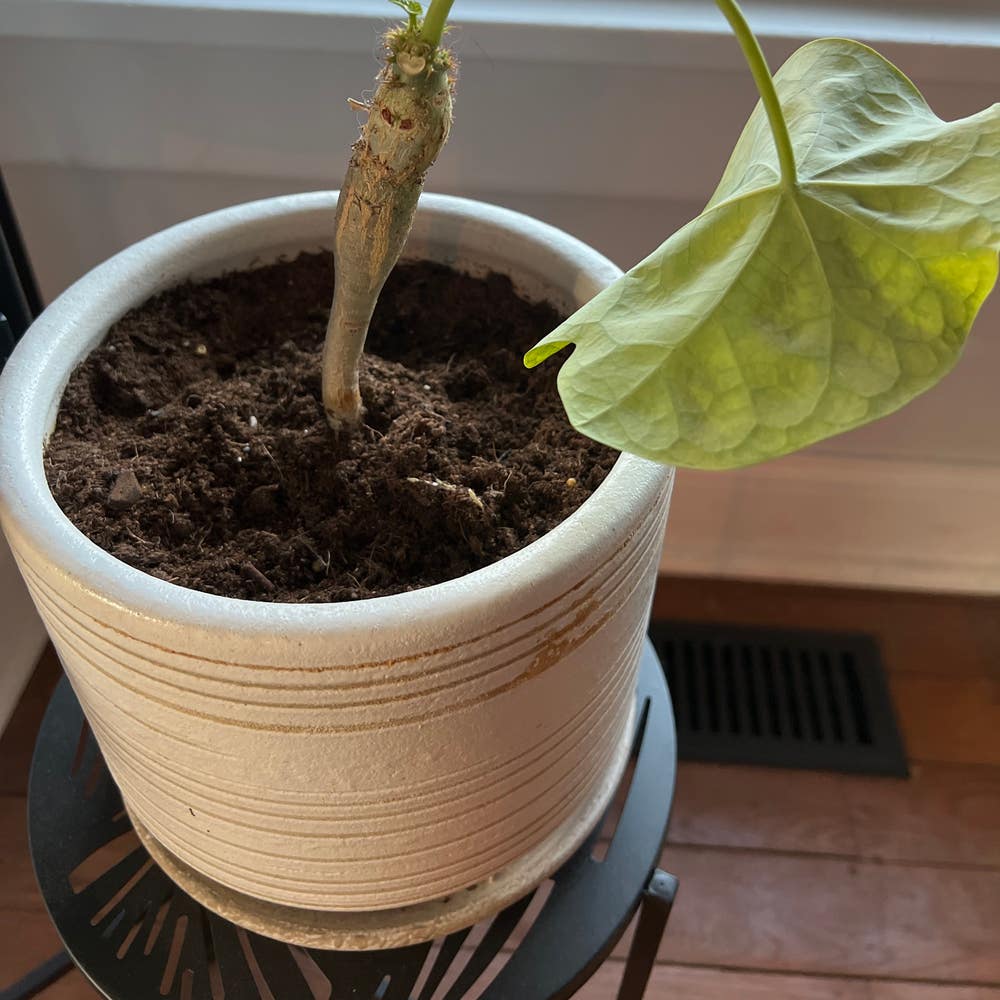
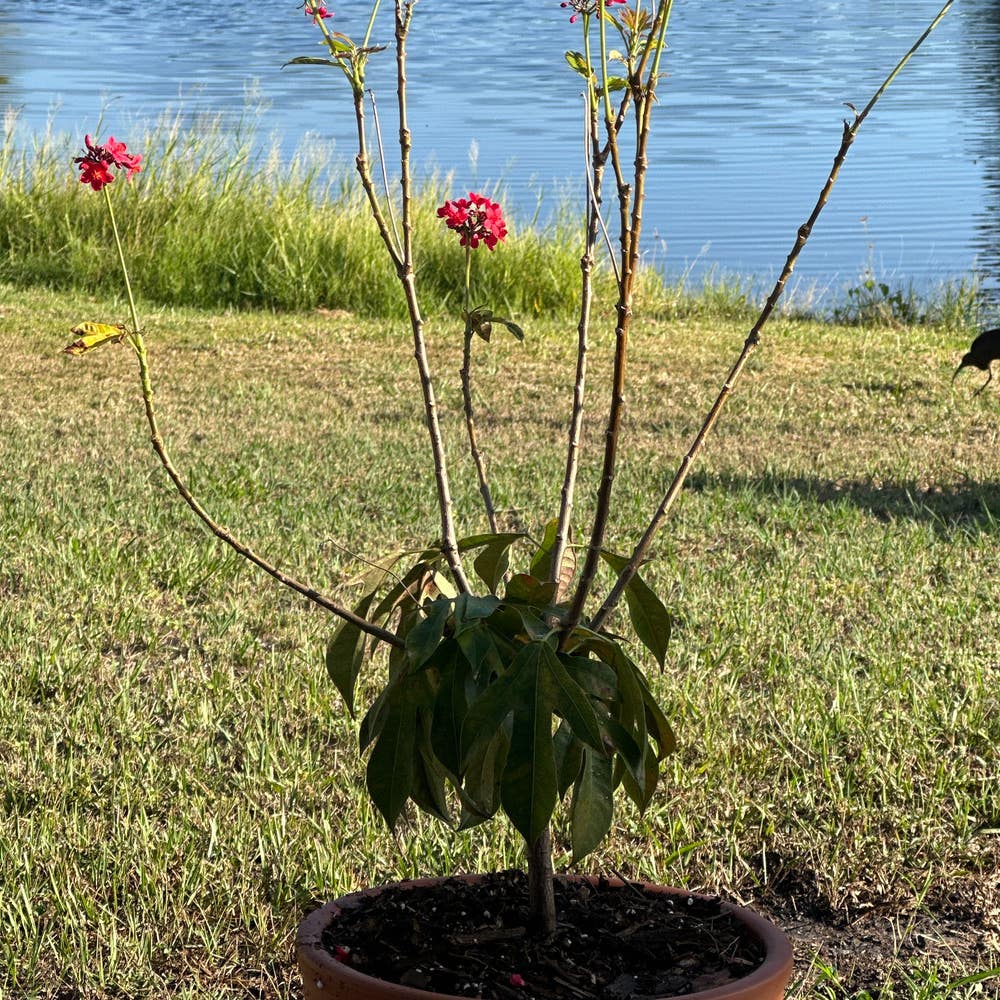
Jatropha plants typically reach a height range of 3 to 10 feet, influenced by the specific variety and growing conditions. If you're considering dwarf varieties, expect them to grow around 2 to 3 feet, while giant varieties can exceed 10 feet under optimal conditions.
Spread 📏
The spread of Jatropha generally ranges from 3 to 6 feet. Several factors, including environmental conditions, soil quality, and care practices, can affect this spread.
Understanding the spread is crucial for landscape design and spacing considerations, ensuring that each plant has enough room to thrive without overcrowding.
Growth Rate
🌱 Growth Rate Overview
Jatropha is known for its relatively fast growth rate, making it a popular choice for gardeners and landscapers alike. On average, it takes about 3 to 5 years to reach its full size, depending on various factors.
⚙️ Influencing Factors
Several elements can significantly affect the growth rate of Jatropha:
Nutrient Availability
Fertilization plays a crucial role in accelerating growth. Providing the right nutrients can lead to healthier plants that grow more robustly.
Light Conditions
Optimal sunlight exposure is essential for maximum growth. Jatropha thrives in bright, direct sunlight, which boosts its overall health and size.
Temperature
The ideal temperature range for Jatropha is between 65°F to 95°F (18°C to 35°C). Staying within this range promotes accelerated growth and vitality.
Understanding these factors can help you cultivate a thriving Jatropha plant that reaches its full potential. With the right care, you can enjoy the beauty and benefits of this remarkable plant in your garden.
Next, we’ll explore how size variability can impact your gardening choices.
Size Variability
🌱 Influencing Factors
Jatropha size can vary significantly due to several key factors. Genetic differences between varieties play a crucial role, with some naturally growing larger than others.
Environmental influences, such as soil type and climate, also impact size. Care practices, including watering and fertilization, further contribute to how big your Jatropha can grow.
🐉 Dwarf vs. Giant Varieties
Dwarf varieties of Jatropha typically reach heights of 2 to 3 feet. They thrive in smaller spaces, making them ideal for container gardening or limited landscapes.
On the other hand, giant varieties can exceed 10 feet under optimal conditions. These plants require more space and specific environmental needs but offer impressive growth potential.
Visually, dwarf varieties are compact and bushy, while giant varieties are tall and more spread out. Understanding these differences helps in selecting the right type for your garden or landscape.
In summary, recognizing the factors that influence Jatropha size can guide your choices in cultivation. Whether you opt for a dwarf or giant variety, knowing their unique characteristics will enhance your gardening experience.
Next, we’ll explore how environmental conditions further shape the growth and size of Jatropha.
Environmental Influences
🌱 Soil Conditions
The type of soil plays a crucial role in Jatropha's growth. Well-draining, fertile soil is ideal, while poor soil conditions can stunt development.
Soil pH is another key factor. Jatropha thrives in a pH range of 6.0 to 7.0, making it essential to test and amend your soil accordingly.
Nutrient content is vital for robust growth. Incorporating organic matter and regular fertilization can significantly enhance the plant's health and size.
☀️ Climate Effects
Temperature preferences are critical for Jatropha's success. Ideally, it flourishes in temperatures between 70°F and 90°F.
Humidity levels also impact plant size. Jatropha benefits from moderate humidity, which helps maintain moisture in the soil.
Seasonal variations can affect growth patterns. In warmer climates, Jatropha may grow year-round, while in cooler areas, growth may slow during winter months.
💧 Watering Techniques
Watering frequency is essential for consistent moisture. Jatropha prefers regular watering, especially during dry spells.
Overwatering can lead to root rot, while underwatering may cause stunted growth. Striking a balance is key to a thriving plant.
Effective watering techniques include deep watering to encourage root development. This promotes a healthier, more resilient Jatropha.
Understanding these environmental influences will help you cultivate a thriving Jatropha plant. Next, we’ll explore how pruning can further control its size and shape.
Pruning for Size Control
✂️ Pruning Techniques
Pruning is essential for controlling the size of your Jatropha. Recommended methods include thinning, shaping, and regular maintenance to promote healthy growth.
To achieve effective pruning, use clean, sharp shears. This ensures clean cuts that minimize damage to the plant.
⏰ Timing and Frequency
The best times to prune your Jatropha are early spring or late winter. This timing helps the plant recover quickly as it enters its growing season.
Consider whether to prune annually or biannually based on your plant's growth rate and desired size. Regular attention will keep your Jatropha looking its best.
📈 Impact on Growth and Size
Pruning significantly affects the overall growth rate of Jatropha. By removing excess growth, you can encourage the plant to focus its energy on developing a more compact structure.
Strategic pruning techniques allow for effective size control. Over time, regular pruning fosters a healthier plant that maintains its desired dimensions.
Incorporating these practices will not only enhance the appearance of your Jatropha but also contribute to its long-term health. As you refine your pruning skills, you'll see the benefits in both size and vitality.
Next, let’s explore the environmental influences that affect Jatropha growth.
⚠️ Safety First
This content is for general information and may contain errors, omissions, or outdated details. It is not medical, veterinary advice, or an endorsement of therapeutic claims.
Always consult a qualified healthcare professional before using any plant as food, medicine, or supplement.
Never eat any plant (or feed one to pets) without confirming its identity with at least two trusted sources.
If you suspect poisoning, call Poison Control (800) 222-1222, the Pet Poison Helpline (800) 213-6680, or your local emergency service immediately.
Spotted an error? Please report it here.
Choose the perfect Jatropha for your space and watch it thrive beautifully 🌿 with Greg's tailored care reminders that keep your plant healthy and growing strong!