Jatropha Is Considered a Weed 🌿
Jatropha spp.
By the Greg Editorial Team
Oct 22, 2024•6 min read
This article was created with the help of AI so we can cover more plants for you. May contain errors. See one? Report it here.
Uncover the urgent threat of Jatropha to ecosystems and agriculture, and learn how to fight back! 🌱🌍
- 🌱 Jatropha is a weed due to its rapid spread and aggressive growth in disturbed areas.
- 🚜 Weeds like Jatropha disrupt agriculture, competing for resources and reducing crop yields.
- 🌍 Invasive Jatropha harms ecosystems, threatening biodiversity and local wildlife habitats.
Plant Classification
🌱 Definition of Weeds and Invasive Species
Weeds are unwanted plants that invade cultivated areas, competing fiercely with desired crops. They can disrupt agricultural productivity and reduce yields.
Invasive species, on the other hand, are non-native plants that spread aggressively, often causing significant harm to local ecosystems. They outcompete native flora, leading to a decline in biodiversity.
📏 Criteria for Classifying Jatropha as a Weed
Jatropha is classified as a weed due to its rapid spread in disturbed areas. This plant thrives where others struggle, quickly taking over spaces that could support native species.
Its competitive nature allows Jatropha to outcompete native flora for essential resources like sunlight, water, and nutrients. This aggressive growth not only alters habitats but also reduces biodiversity, making it a significant ecological threat.
Understanding these classifications helps in recognizing the challenges posed by Jatropha and similar invasive species. As we delve deeper into its identification and growth habits, we can better appreciate the urgency of managing this invasive plant effectively.
Identification
Key Identifying Features 🌿
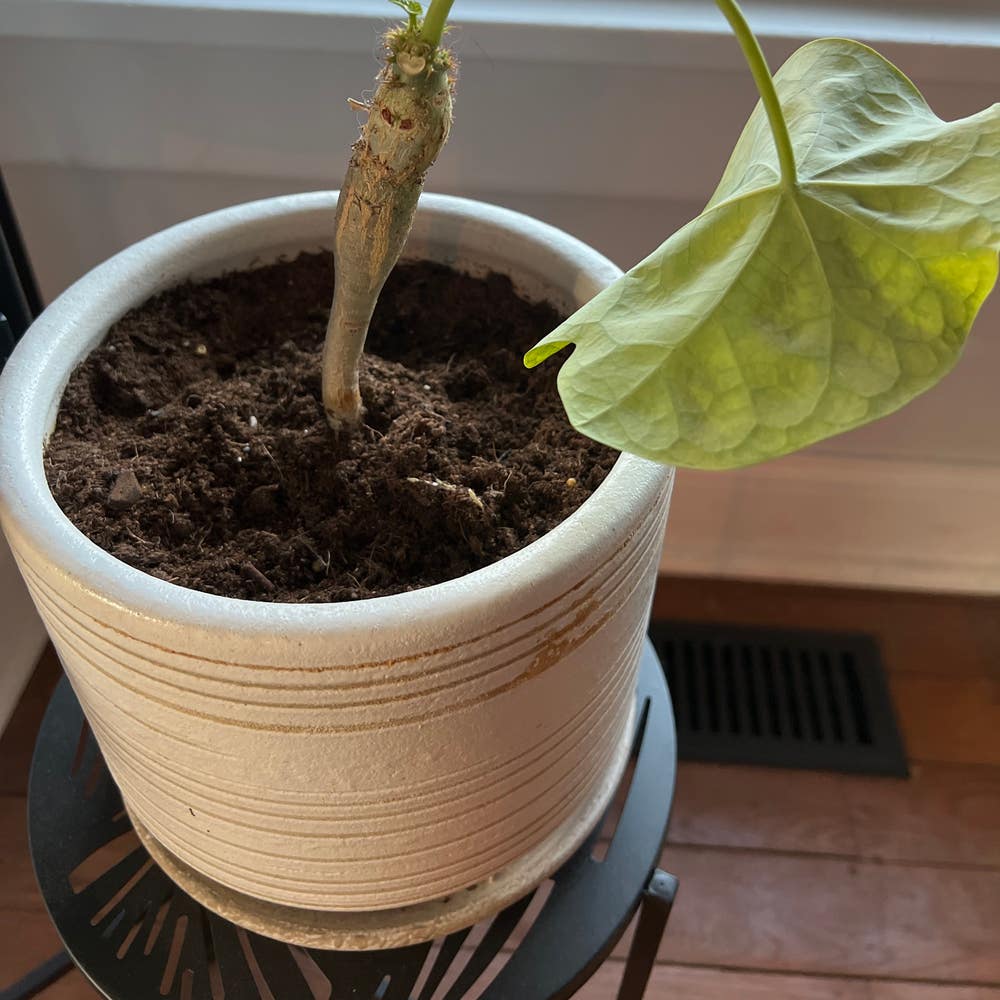
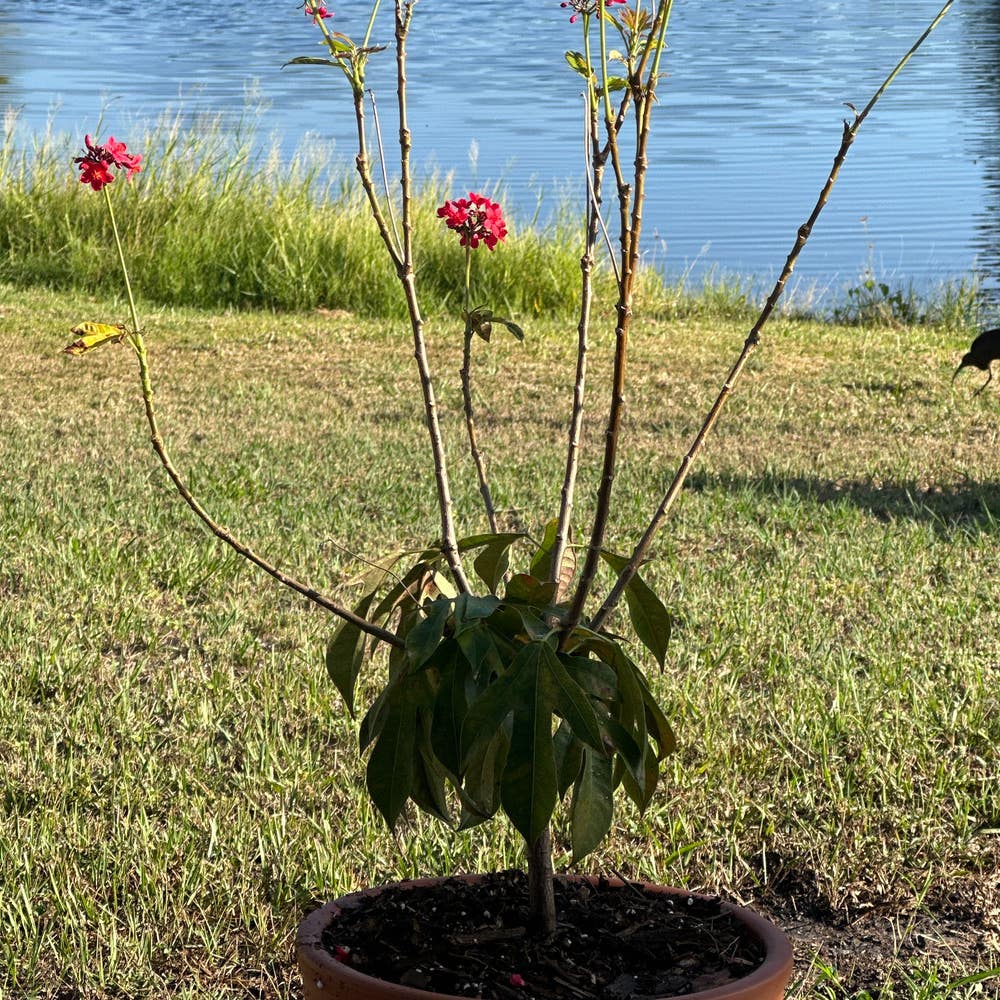
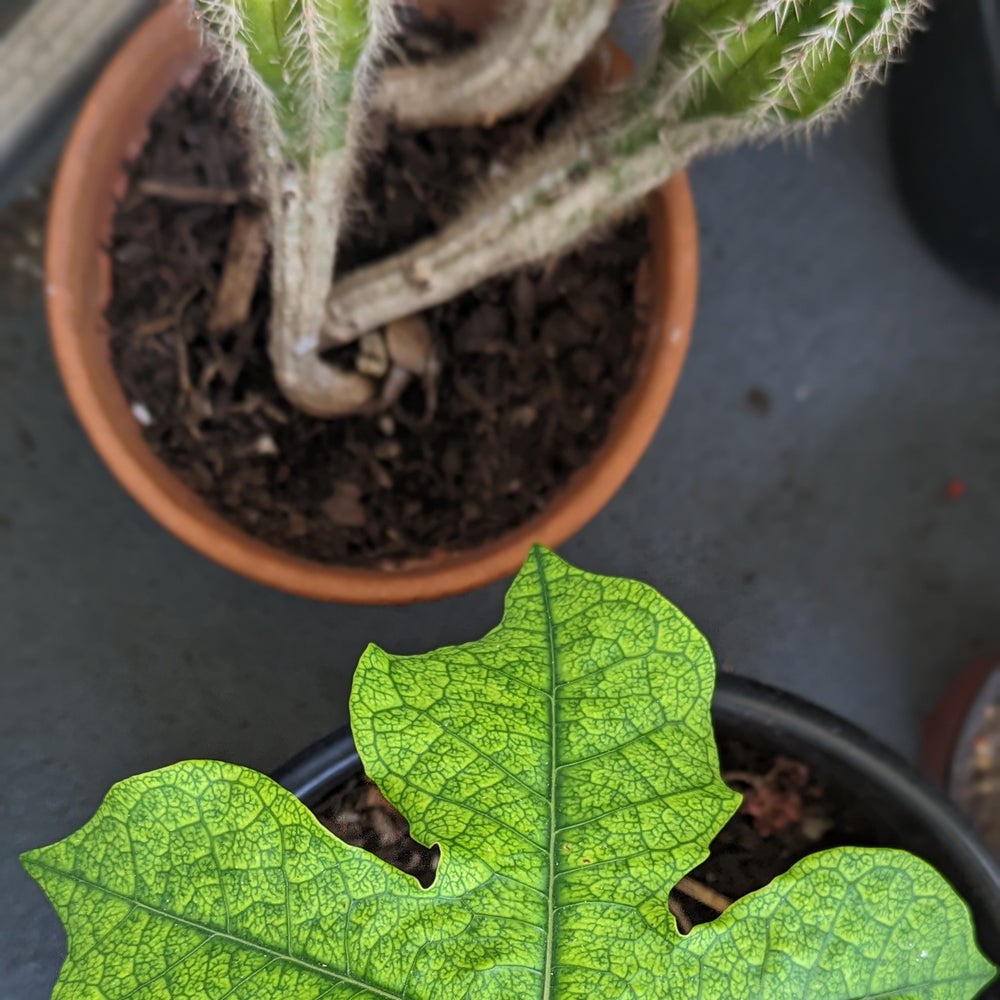
Jatropha is easily recognized by its distinctive lobed leaves. These leaves typically feature 3 to 7 lobes and measure between 10 to 15 cm wide, giving them a unique appearance that sets them apart from many other plants.
In addition to its leaves, Jatropha produces small flower clusters that can be yellow or red. These flowers bloom in groups, adding to the plant's visual impact and making it easier to identify in the wild.
Comparison with Look-Alike Plants 🔍
When identifying Jatropha, it’s crucial to distinguish it from similar species, such as Euphorbia. While both may share some characteristics, Jatropha's lobed leaves and flower clusters are key identifiers.
Euphorbia, on the other hand, often has a different leaf shape and structure. Paying attention to these details can help prevent confusion and ensure accurate identification of Jatropha in various environments.
Understanding these identifying features is essential for effective management and control of this invasive species. By recognizing Jatropha early, you can take proactive steps to mitigate its spread and protect local ecosystems.
Growth Habits and Spread
Typical Growth Patterns 🌱
Jatropha is notorious for its rapid growth, often reaching heights of 1 to 3 meters in a short span. It thrives in disturbed areas, making roadsides and open fields its preferred habitats.
Reproductive Strategies and Seed Dispersal 🌬️
This plant is a prolific seed producer, with each fruit containing 2 to 3 seeds. Its dispersal methods are diverse, utilizing wind, water, and animals to spread its seeds far and wide.
Environmental Conditions Favoring Spread 🌍
Jatropha shows remarkable adaptability to various soil types, particularly poor and dry soils. It flourishes in tropical and subtropical climates, making it a resilient contender in many ecosystems.
Understanding these growth habits and reproductive strategies is crucial for managing Jatropha's spread effectively. Next, we will delve into its ecological and economic impacts, highlighting the challenges it poses to native flora and agricultural practices.
Ecological and Economic Impact
🌱 Effects on Native Plant Communities
Jatropha's aggressive growth poses a significant threat to native plant diversity. By competing for essential resources like light, water, and nutrients, it can overshadow and outcompete local flora, leading to a decline in biodiversity.
The alteration of habitat structure is another critical concern. Jatropha changes the availability of light and nutrients, which can disrupt the delicate balance of local ecosystems.
🦋 Impact on Wildlife and Biodiversity
The displacement of native species is a direct consequence of Jatropha's spread. Local fauna that rely on native plants for food and shelter may struggle to survive as their habitats are altered.
This disruption can lead to a cascading effect on the entire ecosystem, affecting everything from pollinators to larger herbivores that depend on native flora.
💰 Economic Losses and Agricultural Challenges
The economic implications of Jatropha's invasion are profound. Case studies reveal significant financial impacts on agriculture, particularly in regions where it has established itself.
Crop competition is a major issue, as Jatropha can reduce yields in affected agricultural areas. Farmers may find themselves battling not just weeds, but a formidable competitor that threatens their livelihoods.
Understanding these ecological and economic impacts is crucial for effective management strategies. As we move forward, recognizing the importance of early intervention and sustainable practices will be key to mitigating Jatropha's spread.
Control and Management
🧤 Manual Removal Techniques
Identifying small infestations of Jatropha early is crucial for effective management. The sooner you spot it, the easier it is to control.
To tackle this invasive plant, you'll need some basic tools: gloves, shovels, and pruning shears. These will help you safely remove Jatropha without risking skin contact.
The removal process involves digging out the roots to prevent regrowth. While this method can be moderately difficult, it’s often the most effective way to ensure Jatropha doesn’t return.
🧪 Chemical Control Options
When manual removal isn't feasible, chemical control can be a viable alternative. Herbicides are often recommended for managing Jatropha infestations.
It's essential to choose the right type of herbicide and follow proper application methods. Always prioritize safety by wearing protective gear and considering environmental impacts.
🐞 Biological Control Methods
Biological control methods are gaining traction as a sustainable option. Potential agents, such as specific insects, can help manage Jatropha populations.
Current research is exploring the effectiveness of these biological methods. This approach could provide a long-term solution without harming the ecosystem.
🚫 Preventive Measures
Preventing Jatropha establishment is key to managing its spread. Best practices for land management include regular monitoring and maintaining healthy ecosystems.
Healthy ecosystems are more resilient against invasive species. By fostering native flora, you can create a natural barrier against Jatropha.
🔍 Importance of Early Detection and Rapid Response
Early detection and rapid response are vital in controlling Jatropha. Implementing strategies for monitoring can help catch infestations before they escalate.
Quick action can significantly mitigate the spread of this invasive plant. Staying vigilant and proactive is your best defense against Jatropha's encroachment.
As we move forward, understanding the legal status of Jatropha management will provide further guidance on how to effectively control this invasive species.
Legal Status
Overview of Laws and Regulations 🌍
Jatropha's classification as a weed has led to various local and national regulations aimed at managing its spread. Many regions have implemented guidelines to control its growth, recognizing the ecological threats it poses.
These regulations often include restrictions on planting Jatropha in certain areas and mandates for reporting infestations. Understanding these laws is crucial for land managers and gardeners alike.
Requirements for Removal or Control ⚒️
For effective management, land managers should follow specific guidelines regarding Jatropha removal. Early detection is vital; small infestations are easier to control than larger ones.
Here are some key steps to consider:
- Identification: Recognize Jatropha early to prevent extensive spread.
- Tools: Equip yourself with gloves, shovels, and pruning shears for manual removal.
- Removal Process: Ensure you dig out the roots to prevent regrowth.
By adhering to these guidelines, you can contribute to the control of Jatropha and protect local ecosystems.
As we move forward, understanding the ecological and economic impacts of Jatropha will further highlight the importance of these management strategies.
⚠️ Safety First
This content is for general information and may contain errors, omissions, or outdated details. It is not medical, veterinary advice, or an endorsement of therapeutic claims.
Always consult a qualified healthcare professional before using any plant as food, medicine, or supplement.
Never eat any plant (or feed one to pets) without confirming its identity with at least two trusted sources.
If you suspect poisoning, call Poison Control (800) 222-1222, the Pet Poison Helpline (800) 213-6680, or your local emergency service immediately.
Spotted an error? Please report it here.
Combat the invasive threat of Jatropha 🌱 by using Greg's plant identification to recognize and manage this weed effectively, ensuring your garden thrives!