🌼 Jatropha Is Not an Annual
Jatropha spp.
By the Greg Editorial Team
Oct 22, 2024•4 min read
This article was created with the help of AI so we can cover more plants for you. May contain errors. See one? Report it here.
Unlock your garden's potential with Jatropha's resilience and vibrant blooms all year round! 🌼🌱
- 🌱 Jatropha is a perennial, thriving for years with multiple growth cycles.
- 🌞 It adapts well to various climates, ensuring robust garden performance.
- 🌼 Year-round blooms attract pollinators, enhancing garden biodiversity and interest.
Jatropha's Perennial Nature
🌱 Genetic Characteristics
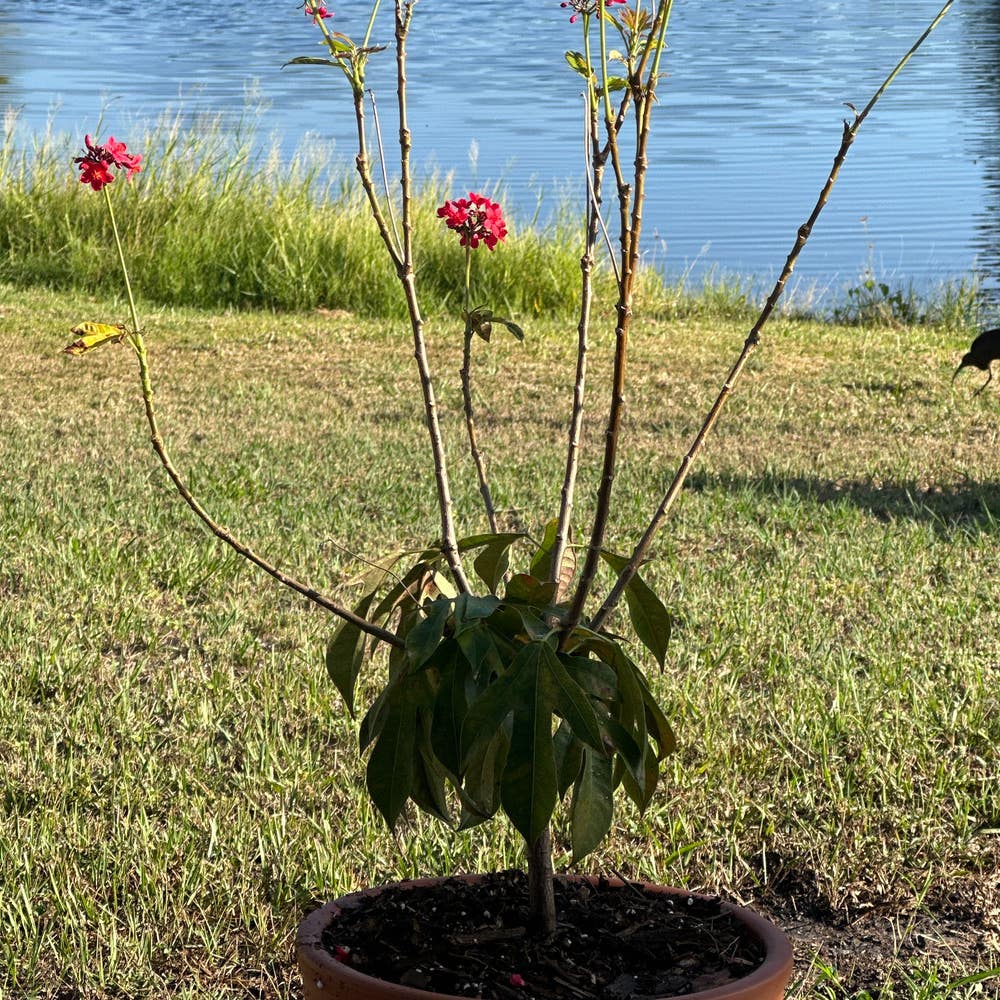
Jatropha is classified as a woody shrub or small tree, typically reaching heights of 3 to 5 meters. Its long lifespan, often spanning several years, firmly supports its classification as a perennial plant.
🌿 Physiological Traits Supporting Perennial Growth
This resilient plant has remarkable adaptations that allow it to withstand varying environmental conditions. Its woody structure enables sustained growth over the years, making it a robust choice for gardens and landscapes.
🔄 Long-Term Lifecycle
Jatropha undergoes several lifecycle stages: germination, juvenile, mature, and reproductive phases. This ability to thrive and produce over multiple seasons highlights its perennial nature and adaptability.
Transitioning from understanding Jatropha's inherent characteristics, let's explore its growth and reproductive strategies that further emphasize its perennial qualities.
Growth and Reproductive Strategies
Growth Patterns Over Seasons 🌱
Jatropha exhibits distinct seasonal growth patterns. During warm months, it thrives with active growth, while cooler periods prompt a natural dormancy.
This resilience allows Jatropha to recover effectively from seasonal stress, ensuring its longevity and vitality.
Flowering Cycles and Seed Production 🌼
One of Jatropha's remarkable traits is its ability to produce flowers and seeds multiple times a year. This continuous flowering cycle maximizes its reproductive potential.
Effective pollination and seed dispersal mechanisms further enhance Jatropha's success in various environments.
Comparison with True Annuals 🌿
Unlike true annuals, which complete their lifecycle in a single season, Jatropha engages in multiple reproductive cycles. This gives it a significant advantage in terms of productivity.
Additionally, Jatropha seeds boast impressive longevity and germination rates, allowing them to thrive even in less-than-ideal conditions.
Understanding these growth and reproductive strategies highlights Jatropha's resilience and adaptability, setting the stage for exploring misconceptions and exceptions in its lifecycle.
Misconceptions and Exceptions
🌱 Situations Treated as Annual
In cooler climates, Jatropha often gets misclassified as an annual plant. This misunderstanding arises because it struggles to survive winter temperatures, leading many to believe it cannot thrive year after year.
This perception can overshadow its true nature as a perennial. Many gardeners may not realize that with the right conditions, Jatropha can flourish for several seasons.
🌍 Geographic or Environmental Influences
Jatropha's native habitat is primarily tropical and subtropical regions. This origin plays a significant role in its growth patterns and overall resilience.
Adaptation is key; Jatropha can vary its growth based on local climate conditions. Understanding these influences can help gardeners appreciate its perennial potential, even in less-than-ideal environments.
As we delve deeper into Jatropha's characteristics, it's essential to recognize how these misconceptions can affect cultivation strategies. Let's explore how to leverage its unique traits for successful garden design and planning.
Garden Design and Planning
Advantages in Perennial Designs 🌼
Incorporating Jatropha into your garden design offers year-round interest. Its continuous growth and flowering cycles ensure that your garden remains vibrant and lively throughout the seasons.
Additionally, Jatropha attracts a variety of pollinators and beneficial insects. This biodiversity not only enhances the beauty of your garden but also supports a healthy ecosystem.
Strategies for Maximizing Longevity 🌱
To maximize the longevity of Jatropha, consider companion planting. Pairing it with other perennials can enhance growth and create a more resilient garden environment.
Site selection is equally crucial. Choose optimal locations that provide adequate sunlight and good drainage to ensure your Jatropha thrives.
By thoughtfully integrating Jatropha into your garden, you can create a flourishing space that celebrates nature's beauty. This approach not only enriches your garden but also contributes to a sustainable ecosystem.
Next, let's explore effective management tips to keep your Jatropha healthy and thriving.
Management Tips
Best Practices for Caring as a Perennial 🌱
Watering Jatropha is crucial for its health. Ensure consistent moisture, but avoid waterlogging, which can lead to root rot.
Pruning is another essential practice. Regular maintenance encourages healthy growth and promotes vibrant flowering, keeping your Jatropha looking its best.
Tips for Enhancing Growth and Flowering 🌼
Fertilization plays a key role in Jatropha's development. Use balanced fertilizers during active growth periods to support robust growth and flowering.
Pest management is vital for maintaining plant health. Keep an eye out for common pests and diseases that can affect Jatropha, ensuring a thriving plant throughout its lifecycle.
By following these management tips, you can enjoy the beauty and benefits of Jatropha as a perennial in your garden. Next, let’s explore how to design your garden to maximize the advantages of this remarkable plant.
⚠️ Safety First
This content is for general information and may contain errors, omissions, or outdated details. It is not medical, veterinary advice, or an endorsement of therapeutic claims.
Always consult a qualified healthcare professional before using any plant as food, medicine, or supplement.
Never eat any plant (or feed one to pets) without confirming its identity with at least two trusted sources.
If you suspect poisoning, call Poison Control (800) 222-1222, the Pet Poison Helpline (800) 213-6680, or your local emergency service immediately.
Spotted an error? Please report it here.
Embrace the perennial power of Jatropha 🌿 and let Greg guide you with personalized care tips to keep your garden flourishing all year long!