🍂 Best Tips for Dropping Leaves on Jatropha
Jatropha spp.
By the Greg Editorial Team
Oct 22, 2024•6 min read
This article was created with the help of AI so we can cover more plants for you. May contain errors. See one? Report it here.
Unlock the secrets to preventing leaf drop in Jatropha plants 🌿 and ensure they thrive year-round with expert care tips!
- 🌡️ Jatropha thrives between 20°C to 30°C; extremes cause leaf drop.
- 💧 Humidity of 40%-60% is ideal; lower levels lead to wilting and leaf loss.
- 🌞 6-8 hours of sunlight daily prevents leaf drop and supports healthy growth.
Causes of Leaf Drop
🌡️ Environmental Stress Factors
Temperature extremes can wreak havoc on Jatropha plants. The ideal temperature range is between 20°C to 30°C (68°F to 86°F); anything outside this can lead to leaf curling and discoloration.
Humidity also plays a crucial role. Jatropha thrives in humidity levels of 40% to 60%. When humidity drops below this range, you might notice leaf drop and wilting.
💧 Watering Issues
Watering is a double-edged sword. Overwatering is a common mistake, leading to yellowing leaves and soggy soil, which can cause root rot and ultimately result in leaf drop.
On the flip side, underwatering can be just as detrimental. Signs include wilting leaves and dry soil, both of which indicate stress that can lead to leaf drop.
🥦 Nutrient Deficiencies
Nutrient deficiencies can significantly impact leaf health. Nitrogen deficiency often manifests as yellowing leaves, while magnesium deficiency shows up as interveinal chlorosis—yellowing between the leaf veins.
Iron deficiency typically affects younger leaves, causing them to yellow as well. Ensuring your Jatropha gets the right nutrients is essential for vibrant foliage.
🐛 Pest Infestations
Pests can be a hidden menace. Aphids leave a sticky residue and cause curled leaves, while spider mites create fine webbing and stippled leaves.
These pests stress the plant, leading to further leaf drop. Regular monitoring can help catch infestations early.
🦠 Diseases
Diseases can also contribute to leaf drop. Fungal infections often present as leaf spots and wilting, with powdery mildew being a common culprit.
Bacterial and viral infections can cause leaf yellowing and stunted growth, impacting the overall health of your Jatropha. Keeping an eye out for these symptoms can help you act quickly to protect your plant.
Understanding these causes is the first step in addressing leaf drop effectively. Next, we’ll explore how to diagnose these issues to get your Jatropha back on track.
Diagnosing Leaf Drop Issues
🌿 Identifying Symptoms
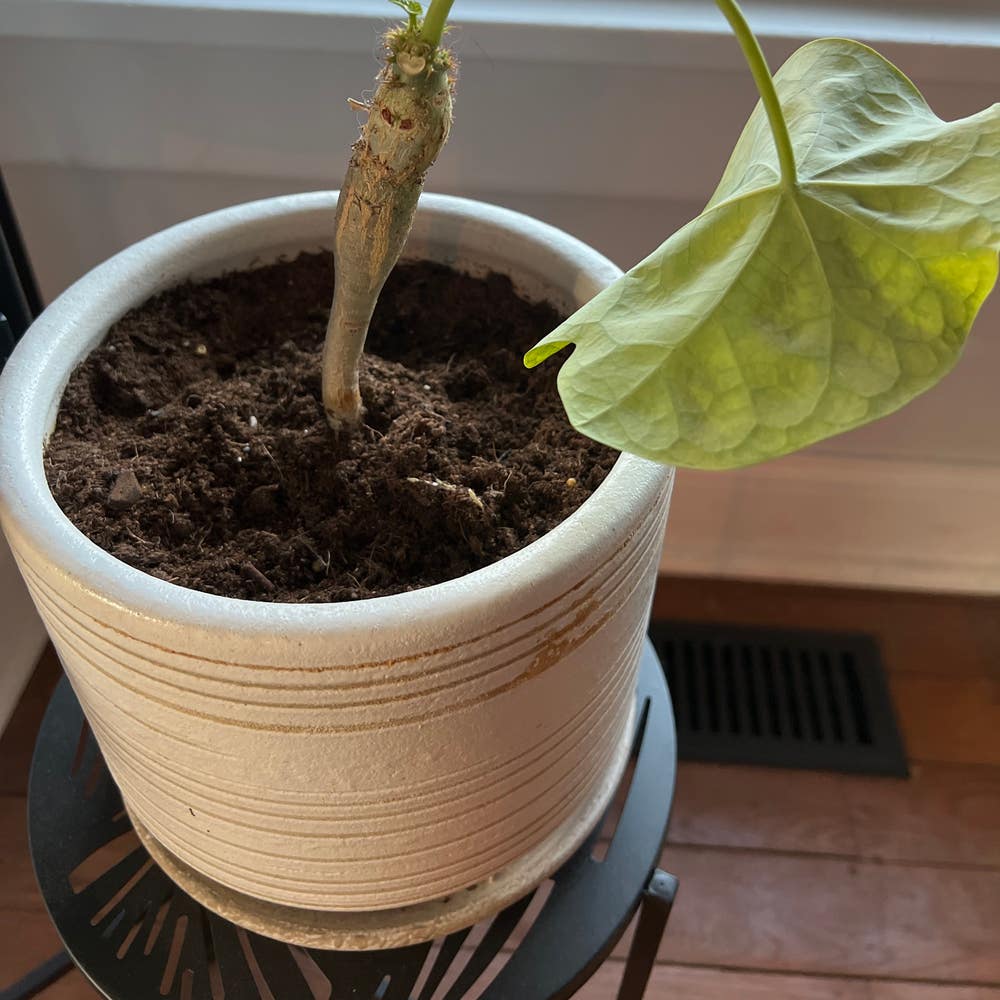
Yellowing leaves often signal nutrient deficiencies or overwatering. If you notice wilting, it could indicate underwatering or environmental stress.
🌞 Assessing Environmental Conditions
💡 Light Requirements
Jatropha thrives in full sun, needing 6-8 hours of light daily. Insufficient light can lead to leaf drop and stunted growth.
🌡️ Temperature Assessment
Monitoring temperature fluctuations is crucial. Extreme changes can adversely affect leaf health, so keep an eye on your plant's environment.
🌱 Soil Analysis
⚖️ pH Levels
The ideal pH range for Jatropha is between 6.0 and 7.5. Improper pH can hinder nutrient availability, affecting overall plant health.
🚰 Drainage
Well-draining soil is essential to prevent root rot. Ensure your Jatropha has the right soil conditions to thrive.
Understanding these diagnostic factors can help you pinpoint the issues affecting your Jatropha's leaf drop. With the right observations, you can take steps to restore your plant's health and vitality.
Preventive Measures
Proper Watering Techniques 🌊
Watering Jatropha correctly is crucial for its health. Allow the soil to dry out between waterings to prevent root rot.
Water deeply but infrequently. This encourages deep root growth and helps the plant withstand dry spells.
Soil Preparation and Amendments 🏗️
Choosing the right soil type is essential. Jatropha thrives in well-draining sandy loam or loamy soil.
To enhance drainage, consider adding perlite or sand to your soil mix. This will help prevent waterlogging and promote healthy root development.
Fertilization Schedule 🥦
A balanced NPK fertilizer, like 10-10-10, is recommended for Jatropha. Fertilize every 4-6 weeks during the growing season to ensure your plant gets the nutrients it needs.
Timing is key; regular feeding will support robust growth and vibrant leaves.
Pest Management Strategies 🐞
Managing pests is vital for maintaining leaf health. Natural options include introducing beneficial insects, such as ladybugs, which can help control pest populations.
If necessary, chemical options like insecticidal soaps and neem oil can be effective. Apply these treatments as directed to keep your Jatropha thriving.
By implementing these preventive measures, you can significantly reduce the risk of leaf drop and ensure your Jatropha remains healthy and vibrant.
Next, let’s explore treatment options for leaf drop when preventive measures aren’t enough.
Treatment Options for Leaf Drop
🛠️ Step-by-Step Guide to Treating Overwatering
Overwatering can be a silent killer for Jatropha. Start by assessing soil moisture using a moisture meter or your finger to check for dampness.
Next, adjust your watering schedule. Reduce the frequency and ensure proper drainage to prevent soggy soil. If the problem persists, consider repotting your plant with fresh, well-draining soil to give it a fighting chance.
🥦 How to Address Nutrient Deficiencies
Nutrient deficiencies can manifest in various ways, so it's crucial to identify the specific issue. Observe your plant closely for symptoms like yellowing leaves.
Once you've pinpointed the deficiency, apply the appropriate fertilizer tailored to the nutrient needs of your Jatropha. Keep an eye on your plant's response and adjust your fertilization routine as necessary to ensure optimal health.
🐛 Pest Control Methods
Pests can wreak havoc on your Jatropha, but there are effective control methods available. Start with insecticidal soaps, applying them every 7-10 days until the pests are under control.
Alternatively, consider using neem oil, which is both effective and natural. Mix 1-2 tablespoons per gallon of water for a potent solution that can help keep those pesky invaders at bay.
🦠 Disease Management
Fungal infections can lead to serious leaf drop issues. For treatment, use fungicides according to the package instructions to combat these infections effectively.
In addition to chemical treatments, improve air circulation around your plant and avoid overhead watering. These cultural practices can significantly reduce the risk of fungal diseases and promote healthier growth.
By addressing these treatment options, you can help your Jatropha thrive and minimize leaf drop. Next, let’s explore seasonal considerations to further enhance your plant care routine.
Seasonal Considerations
Adjusting Care During Different Seasons 🌦️
Caring for Jatropha requires a seasonal approach to ensure optimal health. During winter dormancy, it's crucial to reduce watering and halt fertilization to mimic natural conditions.
In contrast, summer growth calls for increased watering frequency and a boost in fertilization. This helps the plant thrive during its active growing period.
Signs of Seasonal Stress 🍂
Leaf drop during winter is a natural response to dormancy. Understanding this can ease concerns about your plant's health.
To mitigate stress, adjust care based on seasonal changes. Tailoring your approach will help maintain your Jatropha's vitality throughout the year.
⚠️ Safety First
This content is for general information and may contain errors, omissions, or outdated details. It is not medical, veterinary advice, or an endorsement of therapeutic claims.
Always consult a qualified healthcare professional before using any plant as food, medicine, or supplement.
Never eat any plant (or feed one to pets) without confirming its identity with at least two trusted sources.
If you suspect poisoning, call Poison Control (800) 222-1222, the Pet Poison Helpline (800) 213-6680, or your local emergency service immediately.
Spotted an error? Please report it here.
Keep your Jatropha leafy and lush 🌿 by using Greg's tailored watering plans and care reminders to maintain the perfect environment for thriving growth!