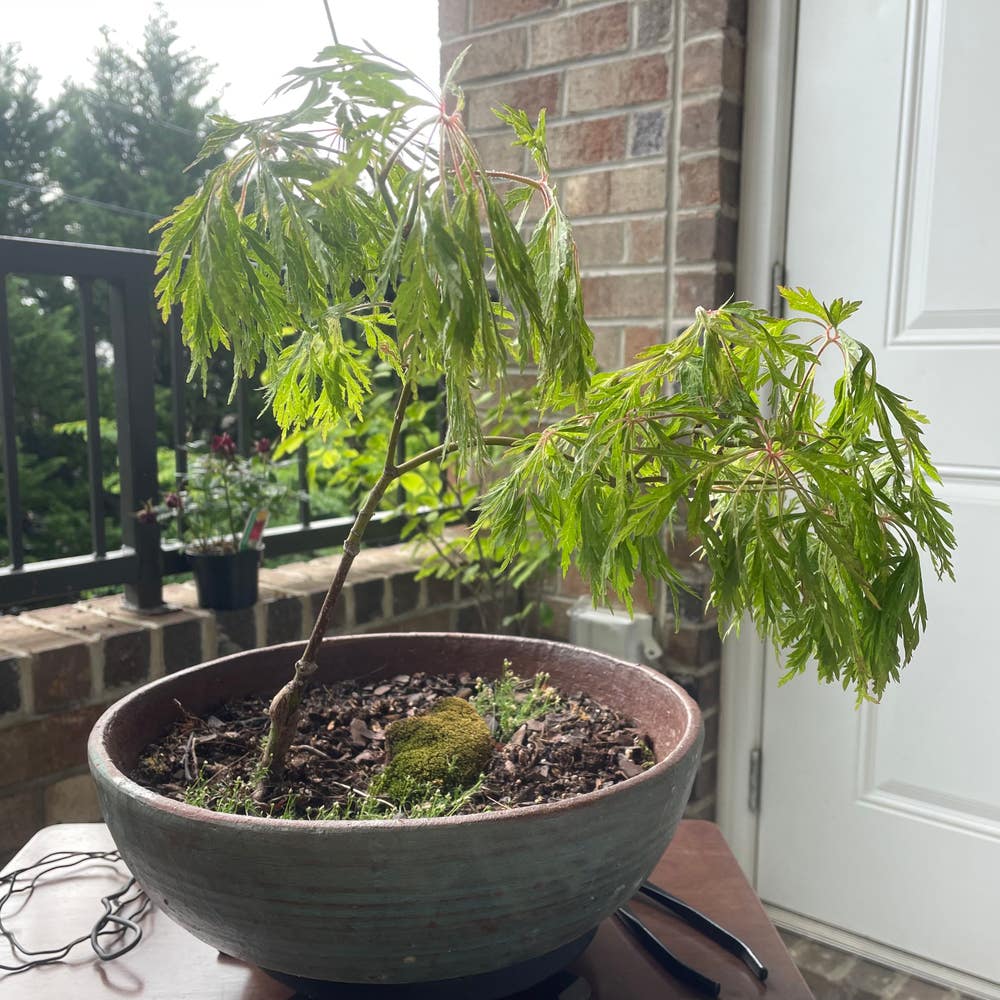
Why Are My Japanese Flowering Quince Leaves Falling Over?
Chaenomeles japonica
By the Greg Editorial Team
Mar 05, 2024•4 min read
This article was created with the help of AI so we can cover more plants for you. May contain errors. See one? Report it here.
- Overwatering and underwatering both lead to droopy quince leaves.
- 🌡️🌞 Stable environment and light are key to preventing wilt.
- Regular soil checks and nutrients keep leaves perky and healthy.
Pinpointing the Culprits Behind the Droop
💦 Overzealous Watering and Its Consequences
Overwatering your Japanese Flowering Quince can turn roots into a soggy mess, leading to droopy leaves. It's a classic case of too much love.
Finding the sweet spot for watering is crucial. It's about giving enough to satisfy but not so much that the plant drowns in excess.
🏜️ Thirsty Roots: The Perils of Underwatering
Neglect can be just as harmful. Underwatering makes leaves look tired and lifeless. They droop in a silent plea for moisture.
Setting up a watering routine that keeps the soil consistently moist will help the leaves stay perky and alert.
🌡️ When the Environment Throws a Curveball
Sometimes it's not you, it's the environment. Temperature swings and incorrect light levels can make leaves wilt like a bad mood.
Crafting the perfect environment is key. Your quince needs stability to keep its leaves standing tall and proud.
First Aid for Fallen Leaves
💧 Resuscitating with the Right Water Rhythms
Checking soil moisture is the first step to reviving your Japanese Flowering Quince. Feel the soil; if it's as wet as a soaked sponge, hold off on watering and let it dry out. When the top inch feels dry, that's your cue to water again. Watch your plant's reaction; if the leaves start to perk up, you've hit the mark.
🌡️ Tweaking the Environment for Recovery
Your quince's environment can make or break its recovery. If it's too hot or cold, leaves will droop like a disappointed parent. Stabilize temperatures and light exposure to mimic the Goldilocks zone—not too hot, not too cold, just right. Think of it as creating a microclimate sanctuary for your plant.
🌿 Nutrient Boosts to Revive Vigor
Leaves falling over could be a cry for nutrients. A balanced, water-soluble fertilizer can be like a vitamin shot for your quince. Follow the instructions to the letter—this isn't the time for improvisation. Check the soil pH too; it should be as balanced as your diet. If it's off, your quince won't absorb those nutrients, no matter how much you pamper it. Add compost or mulch to improve soil health, but don't smother it with love.
Fortifying Your Quince Against Future Faints
🌱 The Foundation: Soil and Pot Mastery
Soil mix is your quince's best friend or its worst enemy. Get it right with a well-draining concoction; think perlite, sand, or pumice to keep those roots breathing easy. It's like choosing the right pair of running shoes for a marathon—essential for the long haul.
Pot choice is more than just aesthetics. Your quince doesn't care about the latest trends; it needs a pot with drainage holes to avoid swimming lessons. Terracotta is the go-to for moisture management, and size does matter—too big, and you're asking for trouble with soggy soil.
🕵️ The Art of Vigilance and Care
Routine checks are non-negotiable. Like a plant detective, inspect the leaves, stalk the stems, and get down and dirty with the soil. Spotting trouble early is half the battle won.
Pruning isn't just a haircut for your quince; it's a rejuvenation ritual. Snip away the old to make room for the new, but remember, timing is key—do it in early spring to avoid a bloom bust.
Stay sharp on the fertilization front. A soil test is like a health check-up; it'll tell you what your quince craves without the guesswork. Iron, zinc, manganese—these are the building blocks for a leafy green canopy.
And remember, airflow is the unsung hero. Don't let your quince suffocate in stale air or drown in a downpour. Position it where the breeze can whisper through its branches, and water at the base to keep those leaves dry.
⚠️ Safety First
This content is for general information and may contain errors, omissions, or outdated details. It is not medical, veterinary advice, or an endorsement of therapeutic claims.
Always consult a qualified healthcare professional before using any plant as food, medicine, or supplement.
Never eat any plant (or feed one to pets) without confirming its identity with at least two trusted sources.
If you suspect poisoning, call Poison Control (800) 222-1222, the Pet Poison Helpline (800) 213-6680, or your local emergency service immediately.
Spotted an error? Please report it here.
Revive your Japanese Flowering Quince from droopy to dazzling 🌿 with Greg's tailored care schedule ensuring just the right mix of water, light, and nutrients.