Why Are My Japanese Flowering Quince Leaves Droopy? 😔
Chaenomeles japonica
By the Greg Editorial Team
Mar 05, 2024•3 min read
This article was created with the help of AI so we can cover more plants for you. May contain errors. See one? Report it here.
- Droopy leaves signal distress, often due to water imbalance or environmental factors.
- Check roots and adjust water; healthy roots are firm and white.
- Stable environment with indirect light keeps leaves perky and healthy.
Spotting the Signs of Droopy Leaves
🚩 Visual Clues
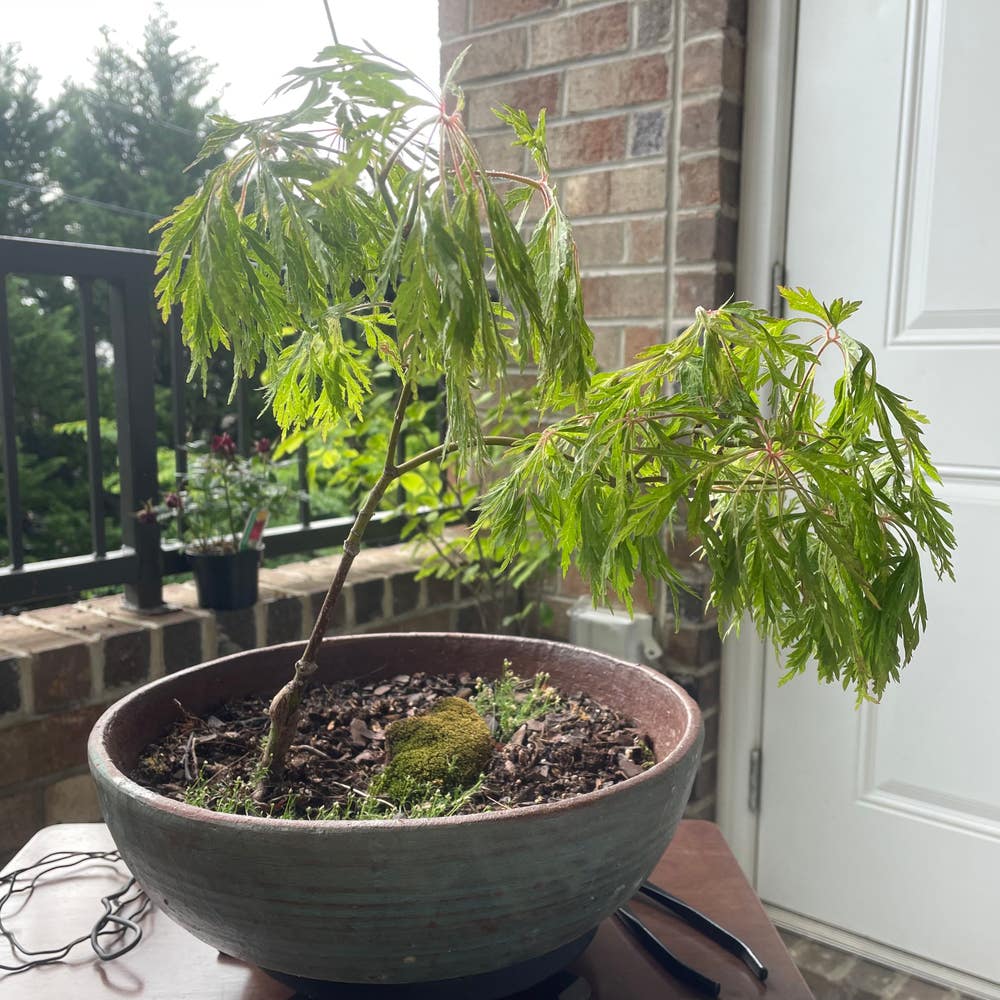
Droopy leaves on your Japanese Flowering Quince are a red flag. They hang lower than usual, betraying a lack of vigor. Beyond the droop, look for yellowing leaves or a texture that's more limp cloth than crisp lettuce. These are distress signals that demand attention.
🕵️ Root Check-Up
To get to the root of the problem, literally, a root inspection is in order. Healthy roots are firm and white, not brown and mushy. If your plant's roots resemble overcooked noodles, it's a sign of trouble. A pot that's as light as your mood on a Friday indicates it's time to check the soil moisture and overall root health.
Unraveling the Causes of Droopiness
💧 Water Woes
Overwatering can turn your Japanese Flowering Quince's soil into a swamp, suffocating roots and leading to droopy leaves. Conversely, underwatering leaves soil dry, roots thirsty, and foliage limp. It's a delicate balance, like a bartender mixing the perfect cocktail.
🌿 Environmental Factors
Temperature fluctuations and improper lighting can make leaves droop like a tired dancer after a long performance. Too much heat wilts leaves, while too little light leaves them stretching for more. Aim for consistent temperatures and bright, indirect sunlight to keep leaves perky.
First Aid for Your Quince
💧 Watering Wisdom
Adjusting your watering habits is crucial for the revival of your Japanese Flowering Quince. Established plants are drought tolerant, but wilting leaves signal a cry for hydration. Deep soakings during dry spells are better than frequent sprinkles. Use a root stimulator for newly planted quinces to encourage strong root development. Remember, the goal is moist soil, akin to a well-squeezed sponge, not a soggy marsh.
🌿 Creating a Cozy Environment
Your quince craves stability. Temperature and light fluctuations are stress factors that can lead to droopy leaves. Aim for a consistent environment that doesn't swing between extremes. Bright, indirect light is your plant's best friend, avoiding the harshness of direct sunbeams. Consider a pebble tray or humidifier to maintain ambient moisture, especially if your indoor air is drier than a stand-up comedian's wit.
Keeping Leaves Lively and Upright
💧 Consistent Care
Establishing a watering schedule and environmental checks is like setting up a calendar alert for plant vitality. Your Japanese Flowering Quince craves predictability.
Water when the soil's top layer feels like a dry martini—just the right amount of dryness. Adjust with the seasons: your plant sips less in winter and guzzles more in the summer sun.
🕵️ Monitoring and Maintenance
Regular check-ups are your plant's equivalent of a fitness tracker. Keep an eye out for leaves that droop like they've just heard bad news.
Rotate your Quince to avoid a lopsided look, and dust the leaves to keep them breathing easy. Pest patrol is a must—show those bugs the door before they get comfy.
⚠️ Safety First
This content is for general information and may contain errors, omissions, or outdated details. It is not medical, veterinary advice, or an endorsement of therapeutic claims.
Always consult a qualified healthcare professional before using any plant as food, medicine, or supplement.
Never eat any plant (or feed one to pets) without confirming its identity with at least two trusted sources.
If you suspect poisoning, call Poison Control (800) 222-1222, the Pet Poison Helpline (800) 213-6680, or your local emergency service immediately.
Spotted an error? Please report it here.
Revive your Japanese Flowering Quince and keep it thriving 🌿 with Greg's personalized care reminders for the right water and light, ensuring your plant never feels droopy again.