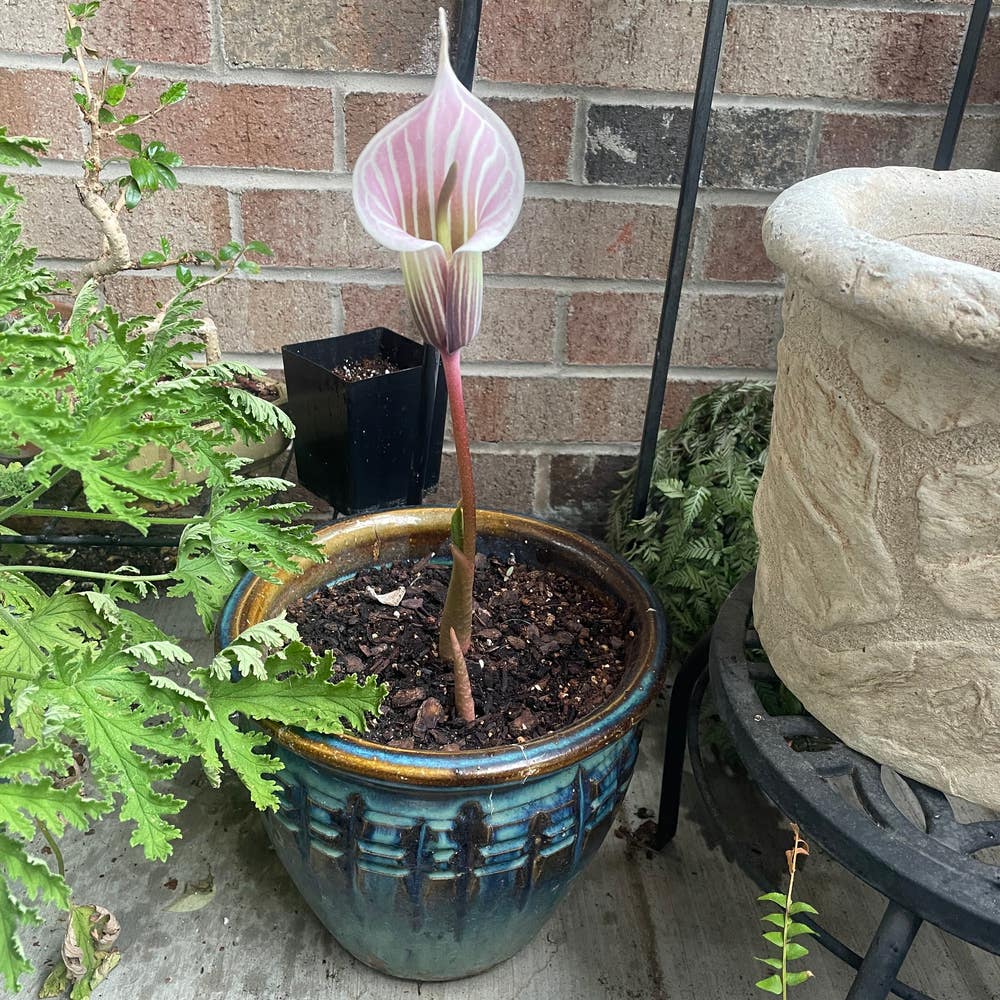
Why Are the Leaves on My Japanese Cobra Lily Turning Yellow?
Arisaema ringens
By the Greg Editorial Team
Jun 10, 2024•4 min read
This article was created with the help of AI so we can cover more plants for you. May contain errors. See one? Report it here.
Solve the mystery of your Japanese Cobra Lily's yellow leaves and reclaim its lush allure! 🌿🔍
- Over/underwatering, soil issues, or pests/diseases can yellow leaves.
- Diagnose with water checks and soil tests for pH/nutrients.
- Treat with watering adjustments, soil amendments, and pest control.
Pinpointing the Culprits Behind Yellow Leaves
💦 Overwatering vs. Underwatering
Yellow leaves can scream overwatering or whisper underwatering. Overwatering leaves plants with soggy soil and a wilted, yellow look. It's like drowning your plant's roots in their own bathtub. Underwatering, on the other hand, leaves soil bone-dry and leaves crispy. Your plant's basically living in a desert.
🌱 Soil pH and Nutrient Imbalance
Soil pH is the bouncer at the nutrient uptake club. If it's off, key nutrients can't join the party. Nitrogen, iron, and magnesium deficiencies often show up as yellow leaves. A simple soil test can tell you who's missing from the mix.
🐛 Pests and Diseases at a Glance
Pests and diseases are the uninvited guests that crash the green leaf gala. Leaf miners tunnel through leaves, leaving behind yellow trails. Diseases like black spot or rose rosette turn leaves yellow as they claim their territory. Regular check-ups can catch these party poopers early.
Diagnosing Your Plant's Yellow Leaves
🌊 Checking for Overwatering and Underwatering
Dive right into soil sleuthing to uncover water woes. A simple finger test can reveal a lot: if the soil feels like a wet sponge, you've got overwatering. Bone-dry? Underwatering is your likely suspect. For a more scientific approach, grab a moisture meter; it's like a hydration detective for your plant's soil.
🧪 Soil Testing for pH and Nutrients
Soil testing is like a wellness checkup for your plant. Use a pH tester to ensure your soil isn't too acidic or alkaline. Nutrient imbalances are trickier; a professional lab test can decode the soil's secrets, revealing excesses or deficiencies. Remember, too much nitrogen can turn your plant into a leafy beast with no blooms.
🐛 Spotting Pests and Disease Symptoms
Your plant's leaves can be a billboard for pest infestations or diseases. Webbing under leaves? Spider mites. White, powdery spots? Say hello to fungal foes. Yellow leaves with curled edges could be crying out for nutrient help. Keep your eyes peeled and act fast—your plant will thank you.
Turning Over a New Leaf: Treatment Strategies
💧 Balancing Water Intake
Adjusting your watering routine is the first step to recovery. If you've been overzealous with the H2O, it's time to dial it back. Let the top inch of soil dry out before you even think about watering again. Conversely, if the soil's parched, increase the frequency, but do so incrementally. Remember, your plant's not downing shots; it's sipping a fine wine.
🌱 Correcting Soil pH and Nutrient Levels
Soil pH can make or break your plant's health. Test the soil to ensure it's in the sweet spot—slightly acidic to neutral for most plants. If it's off, add organic matter like compost to adjust it. Nutrient-wise, a balanced fertilizer is your best bet, but use it like you're seasoning a Michelin-star dish—sparingly. If you've overdone it, flush the soil to wash away the excess.
🐜 Eradicating Pests and Diseases
To kick pests and diseases to the curb, start with good air circulation and avoid wetting the leaves. If you've spotted the telltale signs of uninvited guests, it's time for pest control that doesn't wreak havoc on the environment. And always clean up plant debris; it's like not leaving dirty dishes out—unless you want a pest party.
Preventing Future Yellowing
💧 Watering Wisdom: Best Practices
Consistency is crucial for maintaining the perfect moisture balance. Use a soil moisture meter to eliminate the guesswork from watering. Always water at the base to prevent fungal diseases and let tap water sit out to evaporate chlorine, or use filtered water to avoid tip burn. Adjust watering with the seasons—less in winter, more in summer.
🌱 Soil and Nutrient Maintenance
For long-term soil health, choose a well-draining potting mix and refresh it periodically to prevent nutrient depletion. Balanced nutrition is key; apply a balanced fertilizer without overdoing it. Think of it as maintaining a healthy diet for your plant. Mulch can help retain moisture but keep it away from the stem to prevent rot.
🐛 Pest and Disease Prevention
Preventive measures are the best defense against pests and diseases. Keep your plant clean, isolate new plants before adding them to your collection, and be vigilant about pest management. Regular pruning promotes air circulation and reduces disease hideouts. Use clean, sharp tools to prevent the spread of disease.
⚠️ Safety First
This content is for general information and may contain errors, omissions, or outdated details. It is not medical, veterinary advice, or an endorsement of therapeutic claims.
Always consult a qualified healthcare professional before using any plant as food, medicine, or supplement.
Never eat any plant (or feed one to pets) without confirming its identity with at least two trusted sources.
If you suspect poisoning, call Poison Control (800) 222-1222, the Pet Poison Helpline (800) 213-6680, or your local emergency service immediately.
Spotted an error? Please report it here.
Keep your Japanese Cobra Lily thriving 🌿 with Greg's tailored watering and soil insights, preventing yellow leaves as you nurture your plant with confidence.