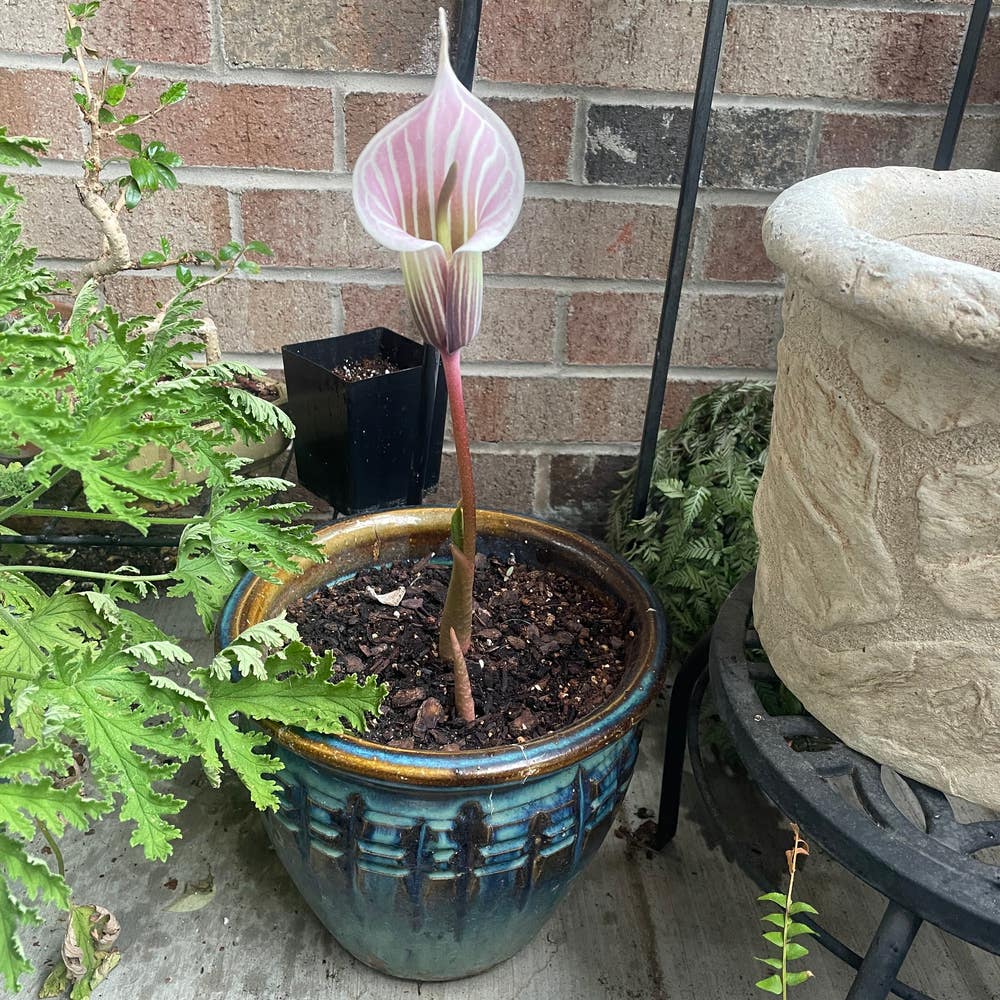
How Can You Tell If A Japanese Cobra Lily Is Dying?
Arisaema ringens
By the Greg Editorial Team
Jun 11, 2024•4 min read
This article was created with the help of AI so we can cover more plants for you. May contain errors. See one? Report it here.
Revive your wilting Cobra Lily 🐍🌿 and prevent its untimely demise with these crucial care insights.
- 🍂 Yellow/wilted leaves signal water issues; adjust watering and drainage.
- 🌡️ Temperature stress and light imbalance affect leaf health; stabilize environment.
- 🐛🍄 Pests and diseases threaten plants; check regularly and improve air circulation.
Water Woes: Too Much or Too Little?
🌊 Over-watering and Under-watering
Spot the Signs: From Yellow Leaves to Wilting
Yellow leaves and wilting are red flags in the plant world. Over-watering may turn your Japanese Cobra Lily's leaves as yellow as a school bus, and under-watering can make them as crispy as autumn leaves. Pay attention to these visual cues—they're your plant's way of saying, "Help!"
Turn the Tide: Balancing Your Watering Routine
Consistency is key. Establish a watering routine that mimics a steady rainfall pattern, not a flood followed by a drought. Remember, your plant's thirst varies with the seasons—more in the summer, less in the winter.
Drainage Dilemmas: Ensuring Your Plant Isn't Swimming
Good drainage is like a life jacket for your Cobra Lily's roots. Make sure your pot has holes to prevent a personal plant swamp. If the soil clings to your fingers, it's too wet. Aim for moist, not soggy.
Light and Temperature: Finding the Sweet Spot
🌞 Irregular Light
Reading the Leaves
Faded leaves are a red flag; your Japanese Cobra Lily is light-starved. Conversely, if you spot scorch marks, it's begging for shade.
Adjusting Light Exposure
Rotate your plant to give it an even tan. If it's stuck indoors, a grow light can be its personal sun. Gradual changes prevent leaf shock.
🌡️ Inconsistent Temperature
Recognizing Temperature Stress
Wilting or discolored leaves? Your plant might be too hot or too cold. Stunted growth is another cry for help.
Stabilizing the Climate
Keep the temperature steady; think of it as setting the mood for growth. Avoid drafts—they're the party poopers of the plant world. Shade is your ally against leaf scorch in the heat.
Uninvited Guests: Tackling Pests and Diseases
🐛 Pests
Identifying and Evicting Common Critters
Your Japanese Cobra Lily might be hosting a bug bash without your invite. Spider mites, aphids, and mealybugs are the usual suspects. These tiny party crashers suck the life out of leaves, leaving behind a sticky mess or fine webbing. To spot them, flip the leaves and inspect the stems. If you find these freeloaders, it's time for action. Insecticidal soap or neem oil can act as your security, showing pests the exit. For a more eco-friendly approach, consider releasing predatory insects like ladybugs into your plant's environment—they're nature's pest control agents.
🚪 Clean and Pest-Free: Preventative Measures for a Bug-Free Zone
Prevention beats cure. Keep your Cobra Lily's leaves clean and dry to avoid inviting pests. Regularly check the plant for early signs of infestation. Sterilize your tools and pots to prevent spreading any critters. Good air circulation is also crucial—think of it as keeping the air fresh to avoid a stale party vibe that pests love.
🍄 Mold, Fungus, and Root Rot
Fungal Foes: Spotting Mold and Fungus Before It Spreads
Mold and fungus are like unwanted squatters in your plant's home, often leaving a trail of unsightly spots or a musty odor. If you notice a gray, furry growth or leaves dusted with what looks like flour, it's time to intervene. Improve air circulation and ensure the foliage stays dry. Catching these issues early is key, so keep an eye out for any signs of fungal freeloading.
Rooting Out Rot: Saving Your Plant from the Ground Up
Root rot is a silent killer, often going unnoticed until it's too late. If your plant's soil smells more like a swamp than fresh earth, you might have a case of root rot. The solution? Improve drainage and let the soil dry out between waterings. If the rot has set in, remove the affected parts with the precision of a ninja and consider using an organic fungicide. Remember, a clean environment is your plant's best defense against these fungal foes.
When Leaves Suffer: Addressing Leaf Scorching and Other Ailments
🌞 Leaf Scorching
Burn notice: Your Cobra Lily's leaves might start looking like they've been sunbathing too long when they're scorched. Tips and margins can turn bleached or brown, a clear sign they're feeling the heat.
Shade and shelter: To combat the crispy fate of leaf scorch, consider relocating your plant to a spot with indirect light. A sheer curtain can work wonders, or if outdoors, a taller plant buddy can provide some much-needed shade.
🍃 Other Leaf Troubles
Beyond the burn: Other leaf issues can range from discoloration to curling. These are your plant's way of waving a red flag, signaling that something's off in their environment.
Leaf revival: Start by pruning any damaged foliage to help your plant focus on the healthy stuff. Adjust your watering habits and consider a strategic move to a less intense locale. Remember, it's about proactive care, not just damage control.
⚠️ Safety First
This content is for general information and may contain errors, omissions, or outdated details. It is not medical, veterinary advice, or an endorsement of therapeutic claims.
Always consult a qualified healthcare professional before using any plant as food, medicine, or supplement.
Never eat any plant (or feed one to pets) without confirming its identity with at least two trusted sources.
If you suspect poisoning, call Poison Control (800) 222-1222, the Pet Poison Helpline (800) 213-6680, or your local emergency service immediately.
Spotted an error? Please report it here.
Revive your Japanese Cobra Lily 🌱 with Greg's custom care reminders that tackle everything from watering to pest prevention, ensuring your plant never has to wilt in silence.