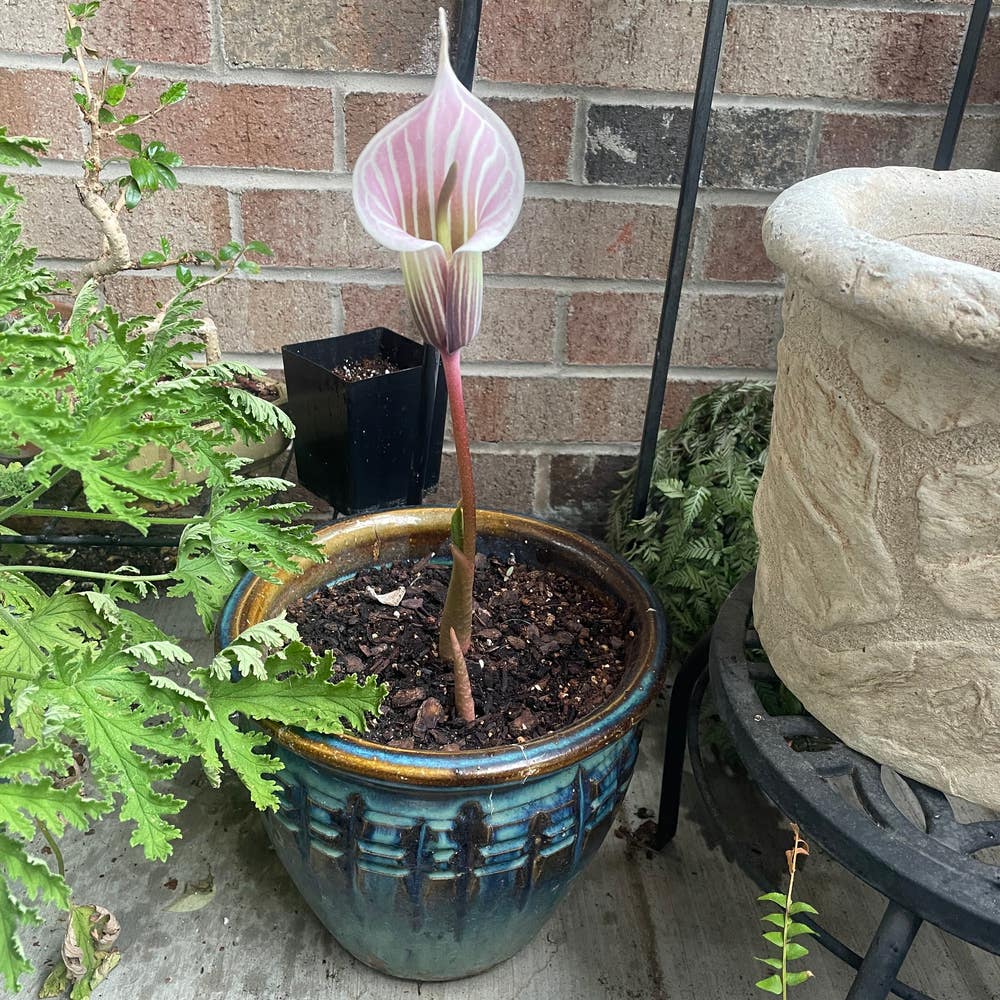
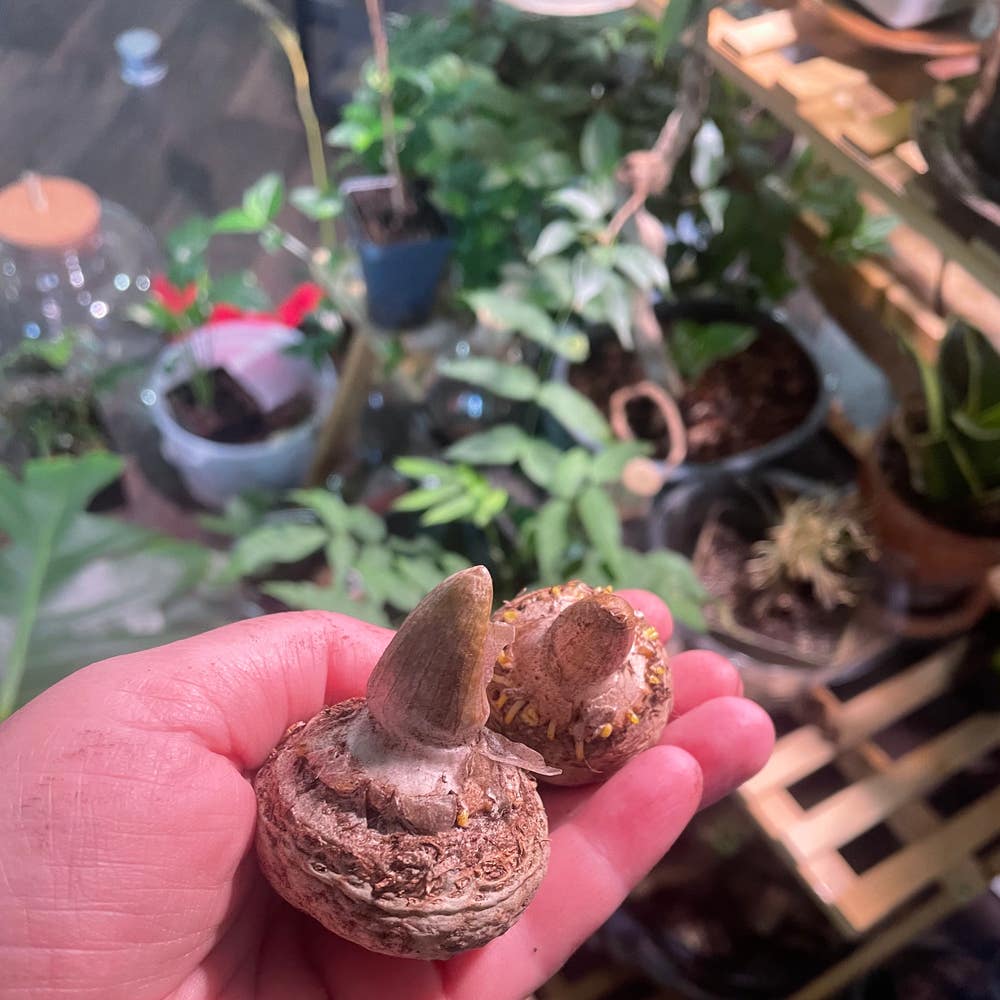
How to Know When to Repot a Japanese Cobra Lily?
Arisaema ringens
By the Greg Editorial Team
Jun 11, 2024•4 min read
This article was created with the help of AI so we can cover more plants for you. May contain errors. See one? Report it here.
Boost your Cobra Lily's growth and beauty with the essential know-how of when and how to repot 🌱✨.
- Root congestion? Time to repot your Cobra Lily.
- Terracotta, plastic, or ceramic: Choose pot based on moisture needs.
- Post-repot care: Adjust water and location for thriving Lily.
Spotting the Telltale Signs Your Cobra Lily Needs a New Home
🌱 Root Check: The Tangled Truth
Inspect your Japanese Cobra Lily's roots for congestion. If roots are circling the pot's interior or poking through drainage holes, it's time for a change. This root tangle is a silent plea for more space.
💧 Water Woes: Drainage Drama
Observe the watering behavior. When water races through the pot, barely moistening the soil, it's a sign of compaction and root domination. Your Cobra Lily is likely root-bound and craves breathing room.
🌿 Growth Gaps: When Your Lily Lags Behind
Monitor your plant's growth. If your Cobra Lily's development has stalled or it's looking less than lush, consider the season. Spring and summer are ideal for repotting, giving your plant a fresh start during its active growing phase.
Choosing the Right Pot: A Material World
🌱 Terracotta vs. Plastic vs. Ceramic
Terracotta is the breathable choice, ideal for preventing overwatering and root rot. Its porosity allows air and water to move through the soil, promoting healthy roots. However, it's heavy and can dry out quickly, which means more frequent watering.
Plastic pots are the lightweights of the pot world, easy to shuffle around. They keep the soil moist for longer, a plus if you tend to forget watering. But beware, the reduced breathability increases the risk of soggy soil and root rot.
Ceramic pots strike a balance, offering less breathability than terracotta but better moisture retention. They're often more aesthetically pleasing but come with the added weight. Ensure they have drainage holes to avoid waterlogged soil.
Weight Matters: Balancing Stability and Maneuverability
The weight of the pot is a practical consideration for the Japanese Cobra Lily. Terracotta pots provide stability but can be a backbreaker when it's time to move them. Plastic is your go-to for easy maneuverability, but it might not stand up to a strong wind. Ceramic pots are the middle ground—sturdy yet not as immovable as terracotta.
Choose based on your ability to move the pot, the plant's size, and where it will live. Remember, a stable pot is essential for tall plants to prevent tipping.
The Repotting Rendezvous: A Step-by-Step Dance
🌱 Prep Work: Setting the Stage
Before the tango begins, select a potting mix that drains well, crucial for the health of your Japanese Cobra Lily. Ensure the new pot is ready, with a layer of fresh mix at the bottom, and drainage holes are clear to prevent waterlogging.
🌿 The Gentle Uproot: Handling with Care
It's showtime. Water your plant a day in advance to make the roots more cooperative. Gently tilt the pot and ease the lily out, cradling the base. If the roots play hardball, use a knife to loosen their grip. Inspect and trim any dead or damaged roots with clean, sharp scissors.
💧 Homecoming: Nestling Your Lily
Place your Cobra Lily in the center of its new pot, ensuring it's not buried deeper than before. Backfill with soil, tapping the pot to settle the mix without compacting it. Give it a welcome drink—water thoroughly but don't flood the new residence.
Aftercare: Helping Your Lily Thrive Post-Repot
💧 Watering Wisely: Hydration without Harm
After repotting, water management is critical. Initially, hold off watering for a day to let the roots heal. Then, provide a thorough soaking, ensuring excess water drains freely. Going forward, let the top inch of soil dry before the next watering. This isn't just hydration; it's helping your Japanese Cobra Lily acclimate to its new abode.
🌞 Location, Location, Location: Finding the Sweet Spot
Finding the right spot for your Japanese Cobra Lily post-repot is like choosing the perfect seat in a coffee shop—crucial for comfort. Bright, indirect light is the goal, with a consistent temperature away from drafts. Watch for signs of distress, such as droopy leaves, and be ready to shift your plant's position for optimal recovery. Remember, it's not just about survival; you're setting the stage for your plant's next growth spurt.
⚠️ Safety First
This content is for general information and may contain errors, omissions, or outdated details. It is not medical, veterinary advice, or an endorsement of therapeutic claims.
Always consult a qualified healthcare professional before using any plant as food, medicine, or supplement.
Never eat any plant (or feed one to pets) without confirming its identity with at least two trusted sources.
If you suspect poisoning, call Poison Control (800) 222-1222, the Pet Poison Helpline (800) 213-6680, or your local emergency service immediately.
Spotted an error? Please report it here.
Ensure your Japanese Cobra Lily flourishes 🌱 after repotting with Greg's custom care reminders and expert potting mix advice.