Why Are My Japanese Cobra Lily Leaves Curling?
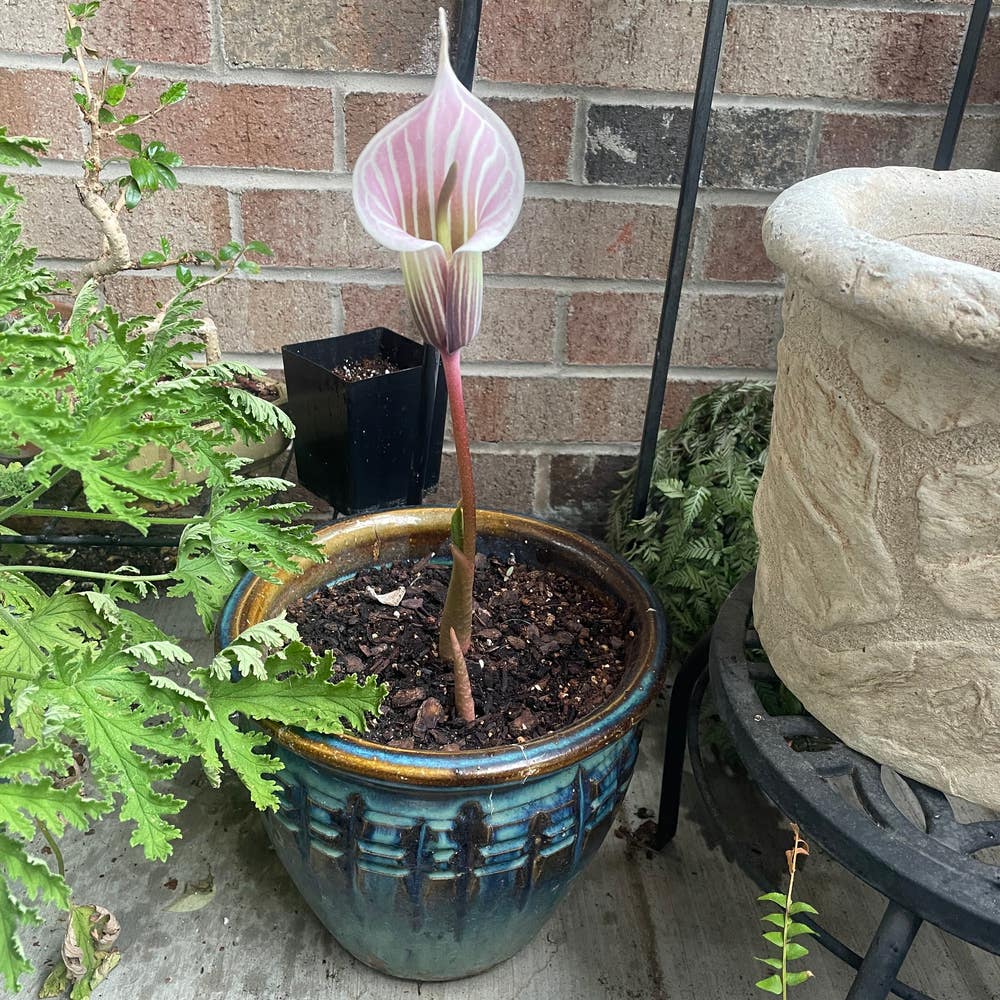
Arisaema ringens
By the Greg Editorial Team
Jun 10, 2024•4 min read
This article was created with the help of AI so we can cover more plants for you. May contain errors. See one? Report it here.
Unravel the mystery of curling Cobra Lily leaves 🌿 and learn to keep your exotic plant thriving.
- Over/underwatering and temperature/humidity issues cause leaf curling.
- Consistent care prevents curling: stable water, temp, humidity, and pest control.
- Regular check-ups and adjustments keep your Japanese Cobra Lily healthy.
Spotting the Signs of Leaf Curling
🌀 Identifying Leaf Curl: What to Look For
Leaf curling in Japanese Cobra Lilies can range from subtle to severe. Look for leaves that roll inward or twist in unnatural ways. While a gentle wave might be normal, tight spirals or sharp bends scream trouble. Discoloration often accompanies problematic curling, with leaves turning from a vibrant green to a sickly yellow or brown.
🚩 When to Worry: Normal vs. Problematic Curling
It's crucial to differentiate between the plant's natural leaf quirks and signs of distress. A slight curve might just be the plant's way of stretching, but when leaves start resembling crumpled paper, it's a red flag. Consistent monitoring helps distinguish normal growth from curling concerns. Watch for textural changes like leaves becoming crispy or brittle, and keep an eye out for any defensive curling, which indicates your plant is outside its comfort zone.
Unraveling the Causes of Leaf Curling
💧 Thirsty Roots: The Watering Balancing Act
Overwatering and underwatering are the twin terrors of plant care, each leading to the dreaded leaf curl in Japanese Cobra Lilies. To avoid the extremes, think of the soil like a wrung-out sponge—moist but not waterlogged. A simple finger test or moisture meter can help gauge if your plant is parched or drowning.
🌡 Feeling the Heat: Temperature and Humidity Woes
Leaves curling can be a plant's silent protest against temperature abuse and humidity neglect. Aim for a stable environment where the thermometer doesn't yo-yo and the air isn't Sahara-dry. Humidity levels between 40%-60% are your sweet spot, keeping your plant's leaves as flat and unworried as a zen master.
🐜 Unwanted Guests: Pests and Diseases to Watch Out For
Pests and diseases are the uninvited party crashers in your plant's life. Regular leaf inspections can catch these critters before they turn your Cobra Lily into a buffet. Good air circulation and cleanliness are your allies in this ongoing battle—think of them as your plant's personal bodyguards.
Turning Over a New Leaf: Fixing the Curl
💧 Water Wisdom: Fine-Tuning Your Watering Technique
Consistency in watering is your plant's best friend. Dial it down during the cooler, dormant months and ramp it up when summer's heat hits. It's about syncing with your plant's needs, not the calendar. To check soil moisture, stick your finger in the soil up to the first knuckle; if it's dry, it's time to water. Overwatering is a common mistake; let the soil approach dryness before the next watering session.
🌡️ Climate Control: Stabilizing Your Plant's Environment
Maintain a consistent temperature reminiscent of a mild spring day. Extreme temperatures are a no-go. Humidity is another key factor; aim for that just-right level. Use a pebble tray or humidifier to keep the air around your plant comfortable. Remember, airflow is your ally—a gentle fan can keep the air from stagnating.
🐜 Pest Patrol: Keeping the Critters at Bay
Regular inspections are your first line of defense against pests. If you spot trouble, isolate the affected plant. Prune any dead or damaged leaves to redirect energy to healthy growth—always use clean, sharp tools. For fungal or bacterial issues, remove affected leaves and consider organic treatments that are kinder to your plant's ecosystem.
Keeping It Straight: Prevention Is Key
🛡️ The Proactive Approach: Regular Check-Ups and Adjustments
Regular check-ups are crucial for preventing leaf curling in your Japanese Cobra Lily. Like a routine health screening, these inspections can reveal early signs of stress that, if ignored, could escalate. Inspect leaves for unusual curling, discoloration, or pests. Adjust care practices immediately upon spotting any anomalies.
🌱 Building Resilience: Strengthening Plant Health
To fortify your Japanese Cobra Lily, think of its care as a regimen for robust health. Ensure it receives the right balance of light and water—too much or too little can weaken its defenses. Nutrient intake is also key; fertilize appropriately to maintain vigorous growth and resilience against common stressors.
⚠️ Safety First
This content is for general information and may contain errors, omissions, or outdated details. It is not medical, veterinary advice, or an endorsement of therapeutic claims.
Always consult a qualified healthcare professional before using any plant as food, medicine, or supplement.
Never eat any plant (or feed one to pets) without confirming its identity with at least two trusted sources.
If you suspect poisoning, call Poison Control (800) 222-1222, the Pet Poison Helpline (800) 213-6680, or your local emergency service immediately.
Spotted an error? Please report it here.
Ensure your Japanese Cobra Lily thrives with crisp leaves 🌿 using Greg's custom care plans that prevent curling by balancing moisture, light, and temperature.