💧 Why Are My Japanese Cobra Lily Leaves Droopy?
Arisaema ringens
By the Greg Editorial Team
Jun 10, 2024•3 min read
This article was created with the help of AI so we can cover more plants for you. May contain errors. See one? Report it here.
Rescue your wilting Cobra Lily 🌿 by uncovering the secret to just-right watering and care!
- Droopy leaves signal distress, indicating overwatering or the need for more hydration.
- Good drainage and soil mix are crucial for Cobra Lily health.
- Consistent care and monitoring prevent and address droopiness effectively.
Spotting the Trouble Signs
🚩 The Tell-Tale Droop: Visual Red Flags
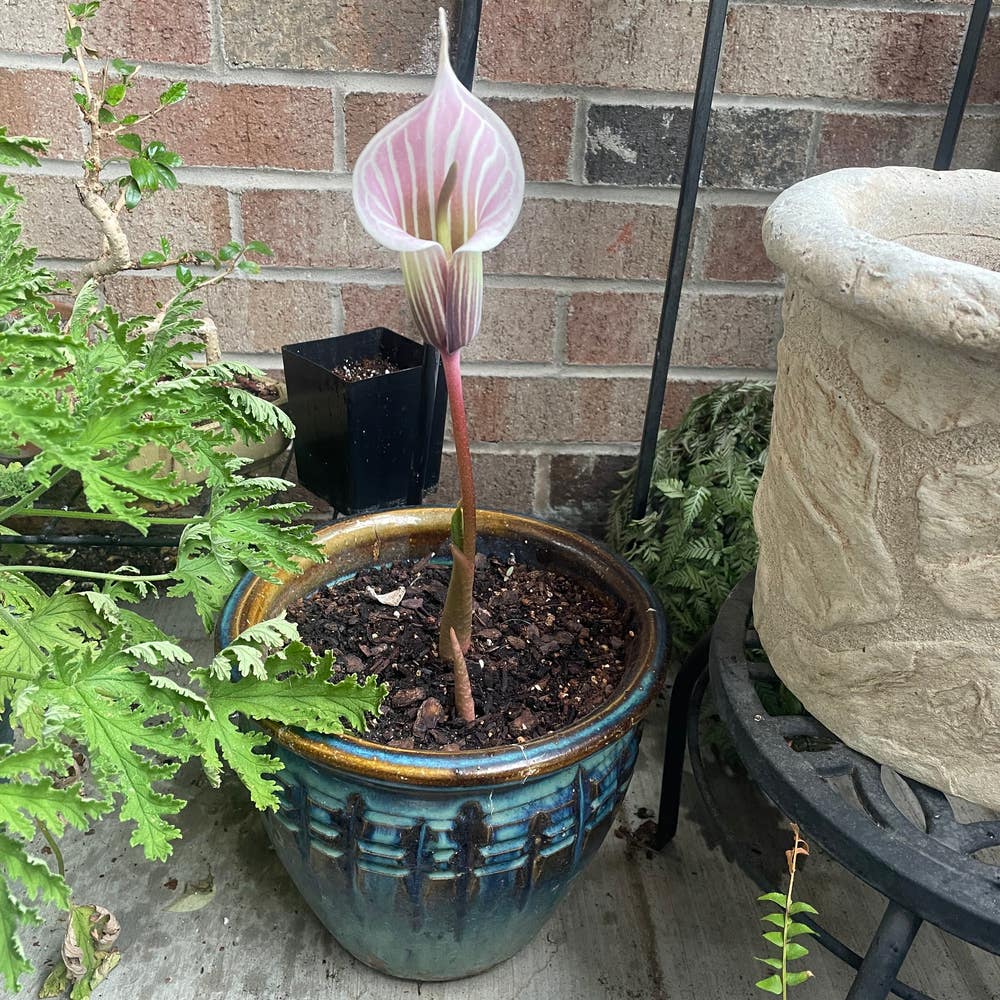
Droopy leaves in a Japanese Cobra Lily are like a flag at half-mast, signaling something's not right. Leaves hanging limply, as if they've lost the will to stand, are your visual cue to take action. They shouldn't look defeated, but rather maintain their characteristic upright posture.
🚦 Beyond the Droop: Other Symptoms to Watch For
But it's not just about the droop. Yellowing leaves might as well be flashing warning lights for overwatering. Leaves that feel like a soggy sponge? Too much H2O. On the flip side, leaves that are dry, crispy, or shriveled are your plant's way of crying out for a drink. And if they're falling off with a gentle tug, you need to reassess your watering routine pronto. Keep an eye out for subtle changes in color or growth rate—these are the whispers before the cries for help.
The Usual Suspects: Pinpointing the Culprits
💦 Overwatering Overload
Too much water can turn your Japanese Cobra Lily's abode into a swamp. The leaves droop as if they're carrying the weight of the world. To avoid this, perform the squeeze test: grab a handful of soil. If it clings to your fingers like a needy sea creature, it's time to ease up on the hydration.
🏜️ Underwatering Underestimation
Conversely, a thirsty Cobra Lily will have leaves that sag with sadness. The weight test is simple: lift the pot. If it's as light as your last paycheck, it's time to quench that thirst. Water thoroughly, until it drains out the bottom, but don't let the plant sit in a puddle.
🚰 Drainage Drama
Good drainage isn't just nice to have; it's a lifeline for your plant. If your Cobra Lily is sitting in water, it's a one-way ticket to droopy leaf city. To fix drainage, ensure your pot has holes that could make a colander jealous. If the soil is more waterlogged than a sunken ship, consider a soil intervention with a grittier mix.
First Aid for Your Cobra Lily
💧 Watering Woes: Finding the Sweet Spot
To nurse your Japanese Cobra Lily back to health, watering precision is key. Overwatering and underwatering can both lead to droopy leaves, so it's crucial to strike a balance. Use the finger test: if the top inch of soil feels dry, it's time to water. For a more scientific approach, consider a moisture meter to gauge the soil's moisture level accurately.
🌱 Soil and Pot Perfection
The right soil mix and pot can make all the difference. Opt for a mix of peat moss, perlite, and volcanic rock to ensure proper aeration and moisture retention. Your pot should have drainage holes to prevent water from pooling at the bottom. If your Cobra Lily is still in its original pot, it might be time to upgrade to one that's at least 12 inches wide to accommodate growth and enhance drainage.
Keeping Your Cobra Lily Cheerful
📅 Routine to the Rescue
Crafting a care schedule is crucial for keeping your Japanese Cobra Lily from drooping. Consistency in watering and monitoring ensures the plant thrives.
The Power of Consistency
Sticking to a routine isn't just about habit—it's about creating a stable environment for your Cobra Lily. Regular checks and consistent care prevent the dreaded droop.
🕵️ Vigilant Vigilance
Early signs of droopiness can be subtle. Regular inspections of leaf posture and firmness are key to catching issues before they escalate.
Journaling for Joy
Consider keeping a care diary. Recording watering schedules, plant responses, and environmental changes can help you track and maintain your Cobra Lily's health over time.
⚠️ Safety First
This content is for general information and may contain errors, omissions, or outdated details. It is not medical, veterinary advice, or an endorsement of therapeutic claims.
Always consult a qualified healthcare professional before using any plant as food, medicine, or supplement.
Never eat any plant (or feed one to pets) without confirming its identity with at least two trusted sources.
If you suspect poisoning, call Poison Control (800) 222-1222, the Pet Poison Helpline (800) 213-6680, or your local emergency service immediately.
Spotted an error? Please report it here.
Ensure your Japanese Cobra Lily never suffers from droopiness again with Greg's tailored care plan 🌿, perfect for keeping your exotic beauty thriving.