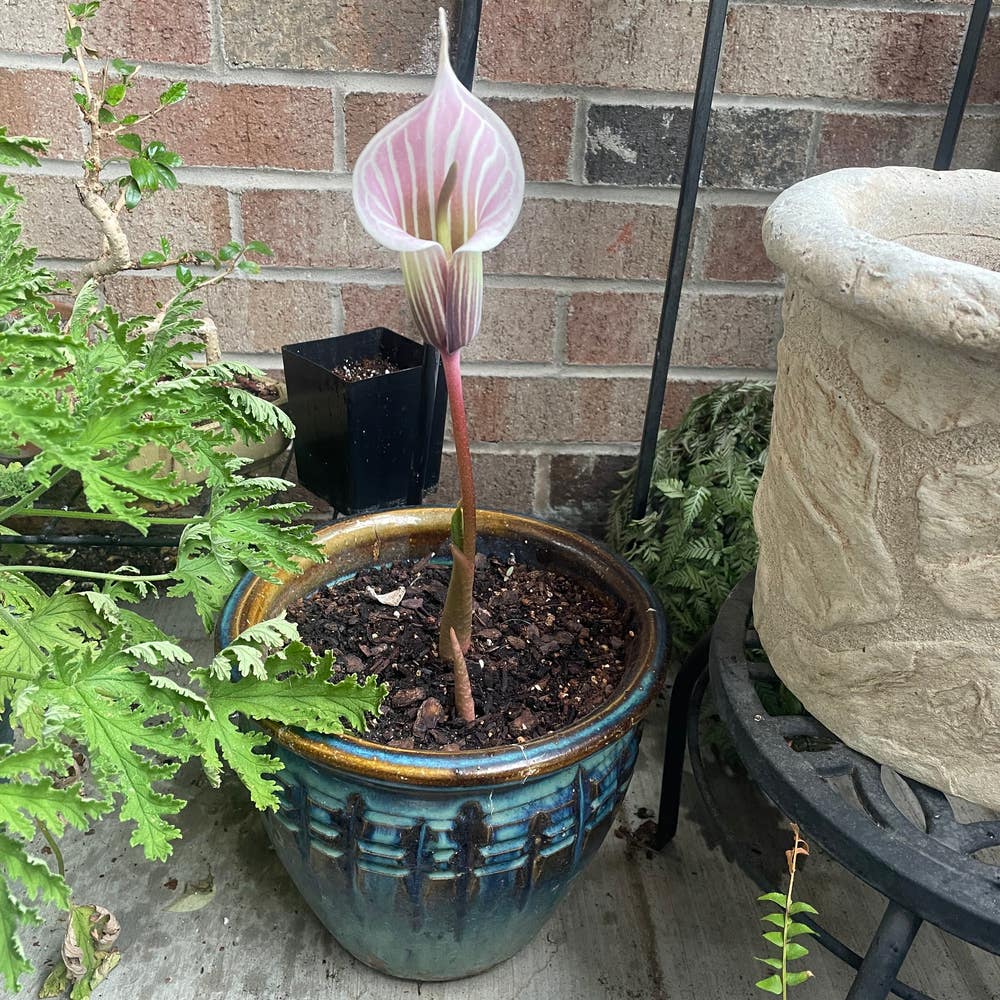
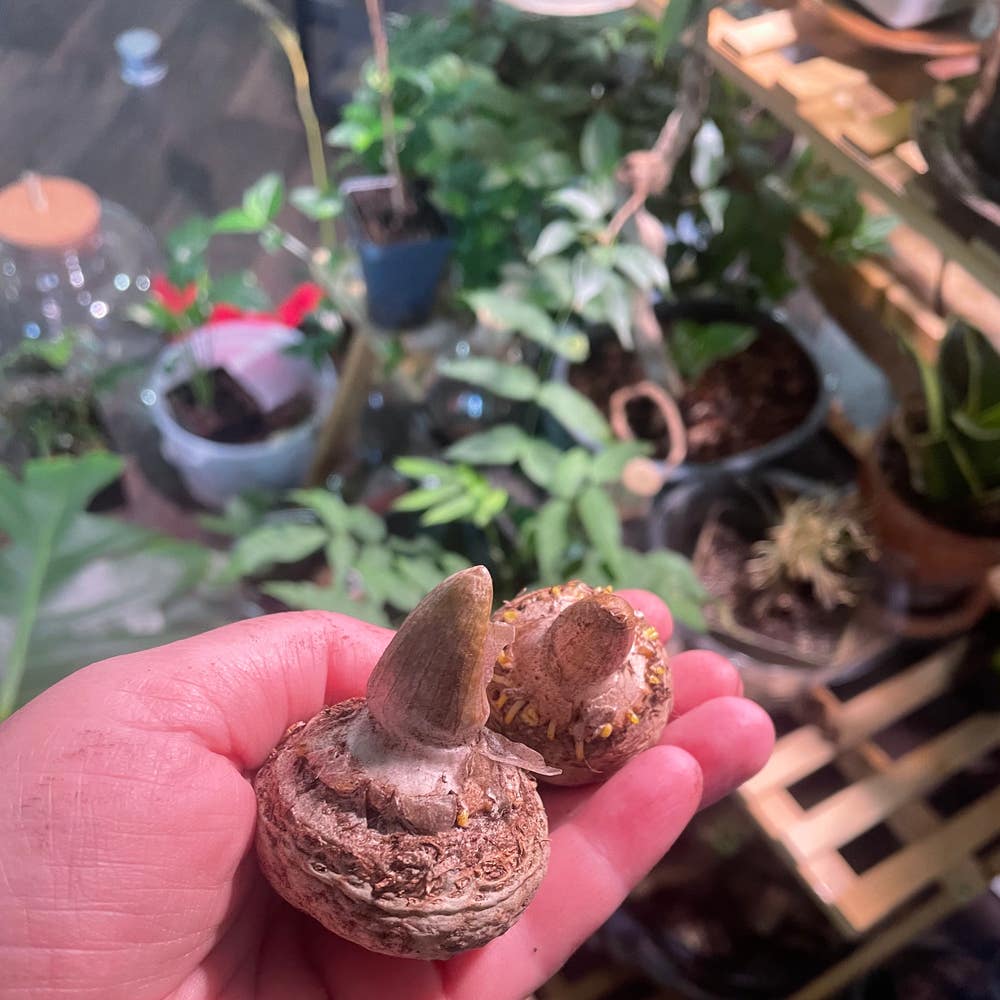
How to Fertilize Your Japanese Cobra Lily
Arisaema ringens
By the Greg Editorial Team
Jun 10, 2024•3 min read
This article was created with the help of AI so we can cover more plants for you. May contain errors. See one? Report it here.
- Spring fertilizing boosts Cobra Lily growth, avoid during dormancy.
- 🌱 Moisten soil, apply evenly, and measure to prevent nutrient burn.
- 🚫 Spot over-fertilization signs early; flush soil or change if needed.
Section
Timing is Everything: When to Fertilize
💪 Growth Phase Fertilizing
Spring is your Japanese Cobra Lily's call to action. As the first shoots emerge, it's time to fertilize. This is the plant's growth spurt season, where it's all systems go for developing size and strength.
During this key period, a monthly fertilization schedule aligns with the Cobra Lily's needs. It's like giving your plant a monthly gym membership – it's going to use it to bulk up.
The Dormancy Rule
Dormancy is the Cobra Lily's downtime, and fertilizing now is a definite no-go. It's the plant equivalent of a bear in hibernation; it simply doesn't need the extra nutrients.
Recognizing dormancy signs is crucial. Look for a slowdown in growth and a lack of new leaves. When you see this, put the fertilizer away. Your Cobra Lily won't miss it until the next growth cycle rolls around.
The Art of Fertilizer Application
💧 Soil Prep and Application Techniques
Before unleashing your fertilizer, moisten the soil. This preps it for a feast without the burn. Clear away any weeds or debris to let your Japanese Cobra Lily dine in peace.
Apply fertilizer evenly across the soil, avoiding direct contact with the plant's stem or leaves. Think of it as spreading the wealth, ensuring every root gets a fair share.
📏 Quantity Control
Measure your fertilizer with the precision of a chemist. Too much and you're in plant ICU territory, too little and you're the stingy aunt at Thanksgiving. Aim for the Goldilocks zone—just right.
For liquid fertilizers, a measuring syringe isn't overkill, it's your best friend. Dilute according to the label, then apply to the already damp soil. This isn't a suggestion; it's the law of the land for thriving Cobra Lilies.
The Over-Fertilization Trap
🚨 Spotting the Telltale Signs
Yellowing leaves on your Japanese Cobra Lily might not just be a sign of old age—they could be screaming for help from over-fertilization. If the tips of the leaves look like they've been kissed by a blowtorch, you're witnessing nutrient burn. Roots that resemble overcooked noodles during repotting? That's another red flag. And let's not forget about the crusty white buildup on the soil's surface—it's like the plant's version of bad dandruff, indicating too much fertilizer.
🛠️ Damage Control
Caught your Cobra Lily with its leaves down? Flush the soil with water to wash away excess fertilizer. This isn't a one-and-done deal; repeat every few days until the plant's vitals return to normal. Snip off the burnt and yellowed leaves—think of it as giving your plant a haircut to shed the dead weight. If your Cobra Lily is potted, consider changing the soil to give it a fresh start. And remember, when you resume fertilizing, go easy. It's a dinner plate, not an all-you-can-eat buffet. Keep a close eye post-rescue; new growth is a high five, but any distress signals mean it's time to adjust your approach.
⚠️ Safety First
This content is for general information and may contain errors, omissions, or outdated details. It is not medical, veterinary advice, or an endorsement of therapeutic claims.
Always consult a qualified healthcare professional before using any plant as food, medicine, or supplement.
Never eat any plant (or feed one to pets) without confirming its identity with at least two trusted sources.
If you suspect poisoning, call Poison Control (800) 222-1222, the Pet Poison Helpline (800) 213-6680, or your local emergency service immediately.
Spotted an error? Please report it here.
Ensure your Japanese Cobra Lily thrives with season-smart 📅 fertilizing schedules from Greg, tailored to your plant's needs and your unique environment.