What Does It Mean When Japanese Cobra Lily Blooms?
Arisaema ringens
By the Greg Editorial Team
Jun 10, 2024•4 min read
This article was created with the help of AI so we can cover more plants for you. May contain errors. See one? Report it here.
Unveil the mystique of the Cobra Lily's bloom 🌸 and learn to master its flowering secrets.
- 🌸 Spring bloom resembles a hooded figure, lasting until leaf expansion.
- Light, temperature, soil, and water are key to inducing blooms.
- Pollination by flies leads to seed development and new plants.
When the Cobra Lily Shows Its Flowers
🌸 Recognizing the Bloom
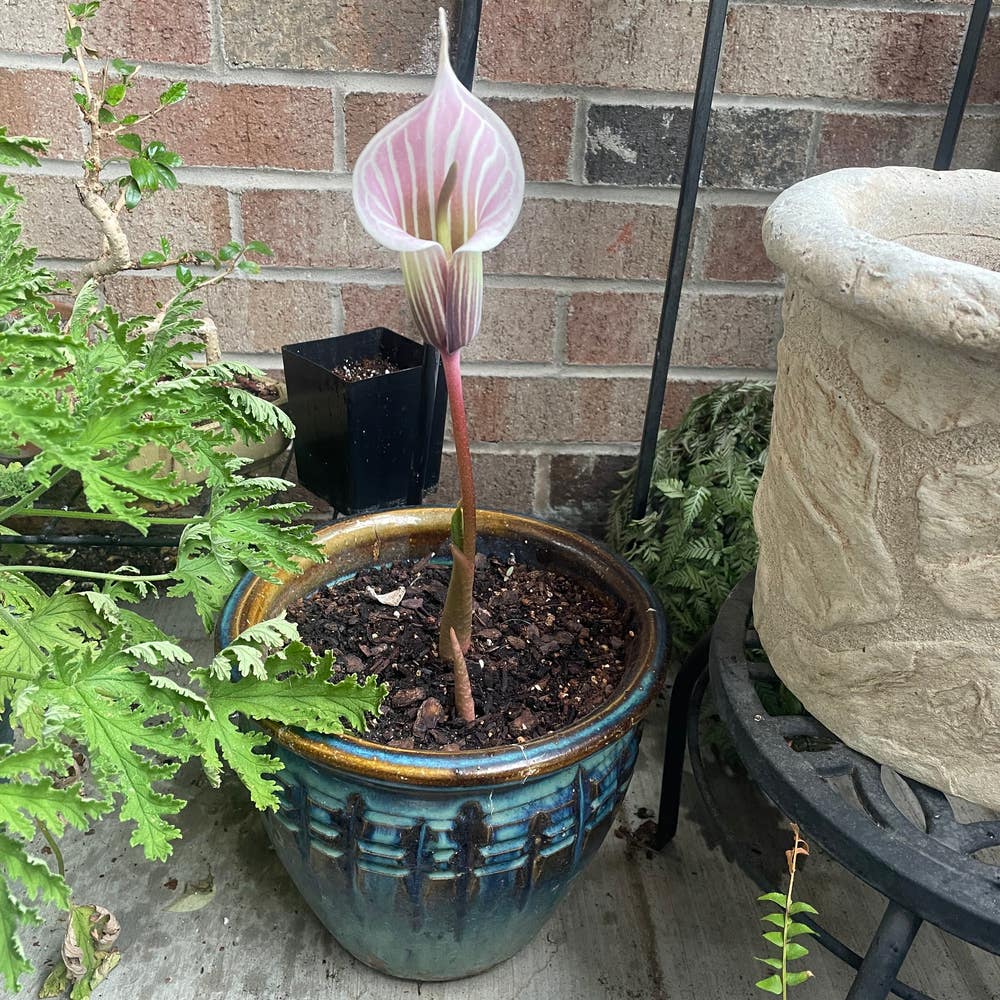
The Japanese Cobra Lily (Arisaema ringens) is a master of disguise, its bloom a clandestine affair. The flower, a spathe and spadix duo, masquerades as a hooded figure, with a curved spathe resembling a cobra's head. Inside, the spadix stands guard, hidden from view. This botanical spectacle is a blend of purple and white stripes on the outside, with a dark, chocolatey interior. When it blooms, it's not just a flower; it's a statement.
⏰ Timing Is Everything
Seasonal cues are everything for the Japanese Cobra Lily. Spring ushers in the flowering phase, with blooms lasting until the leaves expand to throw shade. It's a plant that plays the long game, with blooms that stick around, basking in the cool spring embrace. If you're keen on catching the show, mark your calendar for spring and watch as the plant shifts from a leafy green to a blooming marvel.
Creating the Perfect Bloom-Inducing Environment
💡 Light and Temperature
Adjusting light and temperature is crucial for the Japanese Cobra Lily to bloom. These plants thrive in bright, indirect sunlight and require a temperature range of 65° to 75°F (18° to 24°C). To simulate their natural environment, introduce slight temperature drops at night. This signals to the plant that it's time to produce flowers.
🍽️ Soil and Water
The right soil mix and watering regimen are foundational for blooms. Use well-draining soil to prevent root rot and maintain a consistent moisture level without waterlogging the plant. Check the soil's moisture regularly—aim for damp, not soggy. Remember, overwatering is a surefire way to dampen your Cobra Lily's blooming spirits.
The Birds and the Bees of Cobra Lily Blooms
🌼 The Pollination Process
Flies are the unsung heroes in the pollination saga of the Japanese Cobra Lily. Unlike the typical bee-buzzing affair, these flowers rely on their less glamorous cousins to get the reproductive party started. Cobra Lilies are dioecious, meaning plants are either male or female, and you'll need both to tango if seeds are your endgame. Interestingly, these plants can switch it up, changing sex from year to year—nature's way of keeping things spicy.
🌱 From Flowers to Seeds
Post-pollination, the Cobra Lily's flowers embark on a transformative journey. Seeds develop, promising a new generation of these exotic beauties. The process is straightforward: flowers get pollinated, seeds form, and with a little luck, they find a new place to call home. But remember, it's not just about the birds and the bees; it's about ensuring those seeds land in a spot where they can thrive—cue the importance of a well-prepped landing pad.
Nurturing Your Blooming Cobra Lily
🌱 Feeding Your Flowering Friend
Cobra lilies are self-sufficient predators, snagging insects instead of relying on traditional fertilization. However, during their bloom period, a gentle boost with a balanced, low-nitrogen fertilizer can promote healthier flowers. Apply sparingly; overzealous feeding leads to lush foliage at the expense of blooms.
🌿 Pruning for More Punch
Pruning is less about hacking away and more about strategic snips. Deadhead spent blooms to invigorate your Cobra Lily's health. Remove dead stems and leaves to prevent decay and disease. Remember, sharp, clean cuts help the plant heal faster and look tidier.
When Blooms Are Bashful
🌸 Common Flowering Faux Pas
In the world of Japanese Cobra Lilies, blooming bashfulness isn't a trait we admire. Let's troubleshoot. Pests, those little freeloaders, can hijack your plant's energy, robbing you of blooms. Vigilance and swift action are your allies here. Next, lighting blunders can leave your Cobra Lily in the dark, literally. These plants crave bright, indirect light—too little, and they sulk; too much, and they recoil. Find that sweet spot.
Watering woes can also cause a bloom blockade. Inconsistent moisture messes with the Cobra Lily's flow, so stick to a schedule. And don't get heavy-handed with fertilizer; it's like junk food for plants—tempting but ultimately bloom-blocking.
🌱 Stress Less for Success
Stress can turn your Cobra Lily into a wallflower. Environmental stress, to be precise. If your plant's throwing a fit, check the temperature. Too hot, too cold, or just right? Goldilocks had the right idea. Keep it cozy, but not tropical.
Pruning can be a double-edged sword. Strategic snips encourage growth, but overdo it, and you've got a botanical buzzcut on your hands. And remember, like a fine wine or a stinky cheese, some things just need time. Patience, grasshopper. Your Cobra Lily's blooms may just be fashionably late to the party.
⚠️ Safety First
This content is for general information and may contain errors, omissions, or outdated details. It is not medical, veterinary advice, or an endorsement of therapeutic claims.
Always consult a qualified healthcare professional before using any plant as food, medicine, or supplement.
Never eat any plant (or feed one to pets) without confirming its identity with at least two trusted sources.
If you suspect poisoning, call Poison Control (800) 222-1222, the Pet Poison Helpline (800) 213-6680, or your local emergency service immediately.
Spotted an error? Please report it here.
Ensure your Japanese Cobra Lily's mysterious blooms unfurl 🌷 with Greg's tailored environmental tracking and care reminders, making plant parenthood a breeze.