Diagnosing Island Broom Root Rot
Acmispon dendroideus
By the Greg Editorial Team
Jun 16, 2024•4 min read
This article was created with the help of AI so we can cover more plants for you. May contain errors. See one? Report it here.
- Yellow leaves, browning signal Island Broom root rot.
- Overwatering, poor drainage are root rot culprits.
- Trim roots, use fungicide for treatment and prevention.
Spotting the Red Flags: Symptoms of Root Rot in Island Broom
🚨 Visual Clues Above Ground
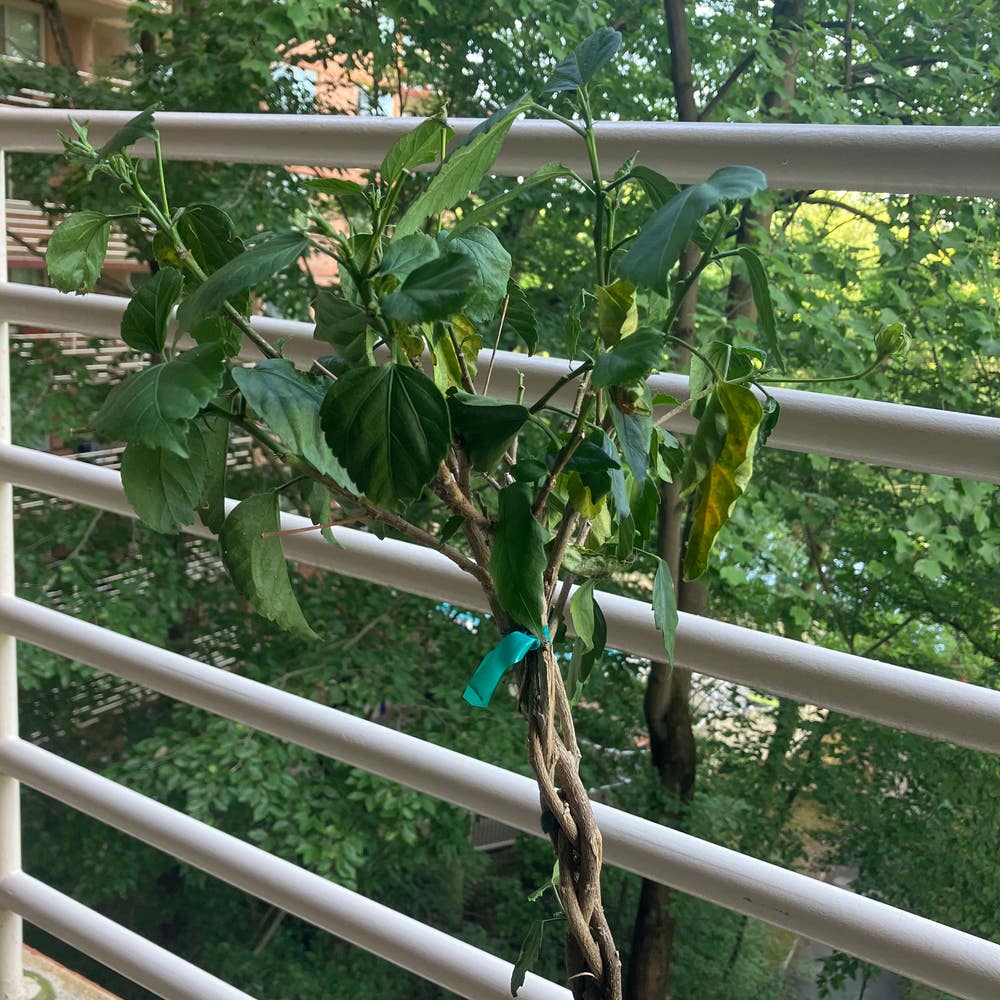
When your Island Broom starts looking more like a wilted salad than a vibrant shrub, take notice. Yellowing leaves are the plant's way of raising a yellow flag, while browning foliage is practically a red one. If the leaves are drooping like they've given up on life, it's time for you to step in.
🕵️ Below the Surface: What to Look For
Digging into the soil is like a detective uncovering clues. Healthy roots are firm and white, but when they turn to a brown mush, it's a clear sign of distress. Don't be fooled by a root's firm exterior; if it's dark and smells like decay, you've got a case of root rot on your hands.
Getting to the Root of the Problem: Causes of Root Rot in Island Broom
💧 Water Woes: Overwatering and Poor Drainage
Island Broom's roots are like a sponge; they can only hold so much water before they start to drown. Overwatering is often the culprit, leading to a waterlogged existence for these roots. The soil should be moist but not wet, and definitely not swimming pool for fungi.
Poor drainage is the sidekick to overwatering, trapping water like a crowd in a no-exit concert. Compacted soil or pots without drainage holes are a recipe for disaster. They create a stagnant environment where roots can't breathe, practically rolling out the red carpet for root rot.
👾 Unseen Enemies: Fungal Pathogens
Fungi are the ninjas of the plant world, striking silently but with deadly force. Phytophthora and Pythium are the usual suspects, sneaking into the roots when conditions are damp. They're not picky eaters; they'll devour your Island Broom's roots, leaving them soft and blackened.
These pathogens are like bad roommates; they thrive in the moist conditions created by overwatering and poor drainage. High humidity and inadequate airflow just add to the party, giving these fungi the perfect environment to flourish. It's essential to keep an eye out for these unwelcome guests and take action before they crash your Island Broom's root system.
First Aid for Roots: Treating Root Rot in Island Broom
🌱 Trimming the Damage
When Island Broom succumbs to root rot, think of yourself as a plant surgeon. Sterilize your pruning shears—this is non-negotiable. Gently remove the plant from its pot and clear away the soil to reveal the roots. Healthy roots are firm and white, while rotted ones are brown and mushy. Snip the damaged roots, but avoid cutting healthy tissue. Balance is key; trim the foliage to reduce stress on the plant.
🦠 Fungicide to the Rescue
After the amputation, it's time for fungicide—the plant equivalent of antibiotics. Choose a product suitable for Island Broom and apply it as per the label's gospel. Remember, fungicides are a shield, not a panacea. They're part of a broader strategy to revive your plant. Always wear protective gear when handling chemicals. Prevention beats cure, so keep an eye out for the need to reapply, especially during the plant's recovery phase.
Keeping Roots Happy and Healthy: Prevention Strategies
💧 Mastering the Art of Watering
Watering your Island Broom isn't about sticking to a strict schedule; it's about tuning into the plant's needs. Check the soil before watering—think of it as asking your plant, "Thirsty?" If the top inch of soil feels dry, it's time to water. If not, hold off. Overzealous watering is a one-way ticket to root rot city.
🏡 The Right Home: Soil and Pot Selection
Choosing the right pot is like picking a breathable home for your plant's roots. Terra cotta pots are the MVPs here, thanks to their porous nature that avoids water hangouts. As for the soil, aim for a mix that's the botanical equivalent of a well-aerated lounge for roots—well-draining yet moisture-retentive. Adding perlite or sand can turn a soil mix from clingy to just right. Remember, a pot without drainage holes is a disaster in disguise.
⚠️ Safety First
This content is for general information and may contain errors, omissions, or outdated details. It is not medical, veterinary advice, or an endorsement of therapeutic claims.
Always consult a qualified healthcare professional before using any plant as food, medicine, or supplement.
Never eat any plant (or feed one to pets) without confirming its identity with at least two trusted sources.
If you suspect poisoning, call Poison Control (800) 222-1222, the Pet Poison Helpline (800) 213-6680, or your local emergency service immediately.
Spotted an error? Please report it here.
Avoid Island Broom woes 🚫 with Greg's tailored watering plan, ensuring your plant's roots stay healthy and rot-free.