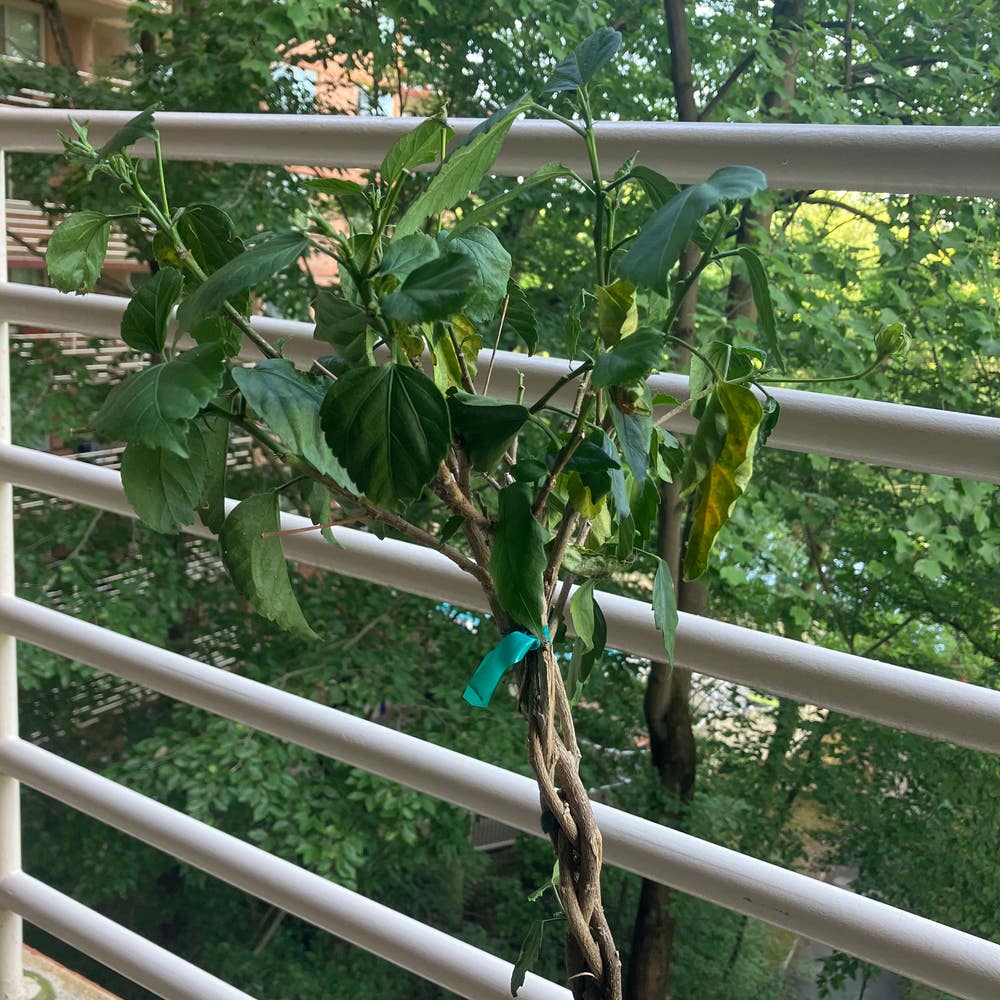
Am I Starving My Island Broom? Fertilizing 101
Acmispon dendroideus
By the Greg Editorial Team
Jun 16, 2024•4 min read
This article was created with the help of AI so we can cover more plants for you. May contain errors. See one? Report it here.
- N-P-K ratio matters: Low phosphorus for better blooms.
- Organic vs. Synthetic: Slow release or quick fix, use responsibly.
- Timing & Technique: Seasonal schedule and careful application prevent over-fertilization.
Choosing the Right Fertilizer for Your Island Broom
💡 Understanding Fertilizer Labels
Navigating the N-P-K ratio is like cracking a code for your Island Broom's diet. A balanced mix is good, but low phosphorus is the secret ingredient to prevent overgrowth and encourage those eye-catching blooms. Look for a fertilizer where the middle number (phosphorus) is lower than the others.
💚 Organic vs. Synthetic Options
Organic fertilizers are the marathon runners, releasing nutrients at a pace that won't shock your plant's system. They're kind to Mother Earth too. Synthetic fertilizers are the sprinters, offering a quick nutrient fix. But beware, they can lead to root burn if you're heavy-handed.
🌸 Specialized Fertilizers for Flowering Shrubs
For blooms that'll make your neighbors do a double-take, pick a fertilizer crafted for flowering shrubs. These usually have a higher potassium content to support flower formation. Recommendations? Go organic with Dr. Joe's All-Purpose Growing Bubble or synthetic with Bloomstix, but always in moderation. Overdoing it is a one-way ticket to plant distress.
Timing is Everything: When to Fertilize Island Broom
📆 Seasonal Fertilizing Schedule
Spring awakening: It's go-time for Island Broom as the season shifts. With the first signs of new growth, lay down that initial fertilizer to kickstart the plant's year. Think of it as breakfast for champions—essential for a strong start.
Pre-bloom boost: As the buds hint at the floral show ahead, it's time for a nutrient top-up. This pre-bloom boost ensures your Island Broom has the stamina for a full bloom marathon.
Post-bloom care: After the flowers have had their moment, it's not time to slack. A post-bloom application sustains health and preps the plant for the next cycle. It's like a cool-down after a sprint—vital for recovery.
🌦️ Weather and Soil Conditions
Adjust your fertilizing schedule to the local climate. In areas with a warmer climate, your Island Broom might be ready for action earlier. Conversely, cooler regions may require a delayed start.
Soil type matters. If your soil is rich and retains nutrients well, you might need to fertilize less frequently. On the flip side, sandy soils that drain quickly could necessitate a more regular feeding schedule. It's all about reading the room—or in this case, the garden.
How to Fertilize Island Broom Without Harming It
💧 Dosage and Dilution
Less is more when it comes to fertilizing your Island Broom. Stick to the recommended dosage on the fertilizer package, and consider a 50% dilution to play it safe. Overdoing it can lead to a nutrient overdose, so measure carefully. For a standard pot size, a teaspoon or tablespoon should suffice, depending on the pot's diameter.
🌱 Application Techniques
Get to the roots of fertilizing by avoiding surface application. Instead, dig a small trench around the plant, evenly distribute the fertilizer, and then cover it up. Water thoroughly to help the nutrients reach the root zone effectively. Use tools like a measuring syringe or spouted container for precision.
⚠️ Avoiding Common Mistakes
Over-fertilization is the enemy. Watch out for brown tips on leaves and a crust of white salts on the soil—these are distress signals. To prevent root burn, never apply fertilizer directly onto roots or leaves. Regularly flush the soil to clear salt buildup and always wear protective gloves when handling chemical fertilizers. Remember, your Island Broom doesn't need a feast, just a well-balanced snack.
Recognizing and Fixing Over-Fertilization
🚨 Spotting the Signs of Too Much Love
Brown leaf tips and edges are a cry for help from your Island Broom. If you notice a white crust of salt on the soil, that's your plant telling you it's had more than its fill. Yellowing leaves and stunted growth are also red flags that you've been heavy-handed with the fertilizer.
🚑 Emergency Care for Over-Fertilized Island Broom
When you've pushed your Island Broom too far with nutrients, it's time for some damage control. Stop fertilizing immediately to prevent further stress. Flush the soil with water to leach out excess fertilizer; think of it as a reset button for your plant's root environment. Gently remove any salt crust from the soil surface to reduce the risk of further root burn. Prune away damaged foliage; it's not going to recover, and it's only sapping energy from the plant. Be patient and give your Island Broom time to bounce back before reintroducing fertilizer into its care regimen. Remember, recovery is a marathon, not a sprint.
⚠️ Safety First
This content is for general information and may contain errors, omissions, or outdated details. It is not medical, veterinary advice, or an endorsement of therapeutic claims.
Always consult a qualified healthcare professional before using any plant as food, medicine, or supplement.
Never eat any plant (or feed one to pets) without confirming its identity with at least two trusted sources.
If you suspect poisoning, call Poison Control (800) 222-1222, the Pet Poison Helpline (800) 213-6680, or your local emergency service immediately.
Spotted an error? Please report it here.
Avoid the pitfalls of over-fertilizing your Island Broom by following Greg's custom fertilization alerts 🌼, ensuring your blooms are healthy and vibrant without the guesswork.