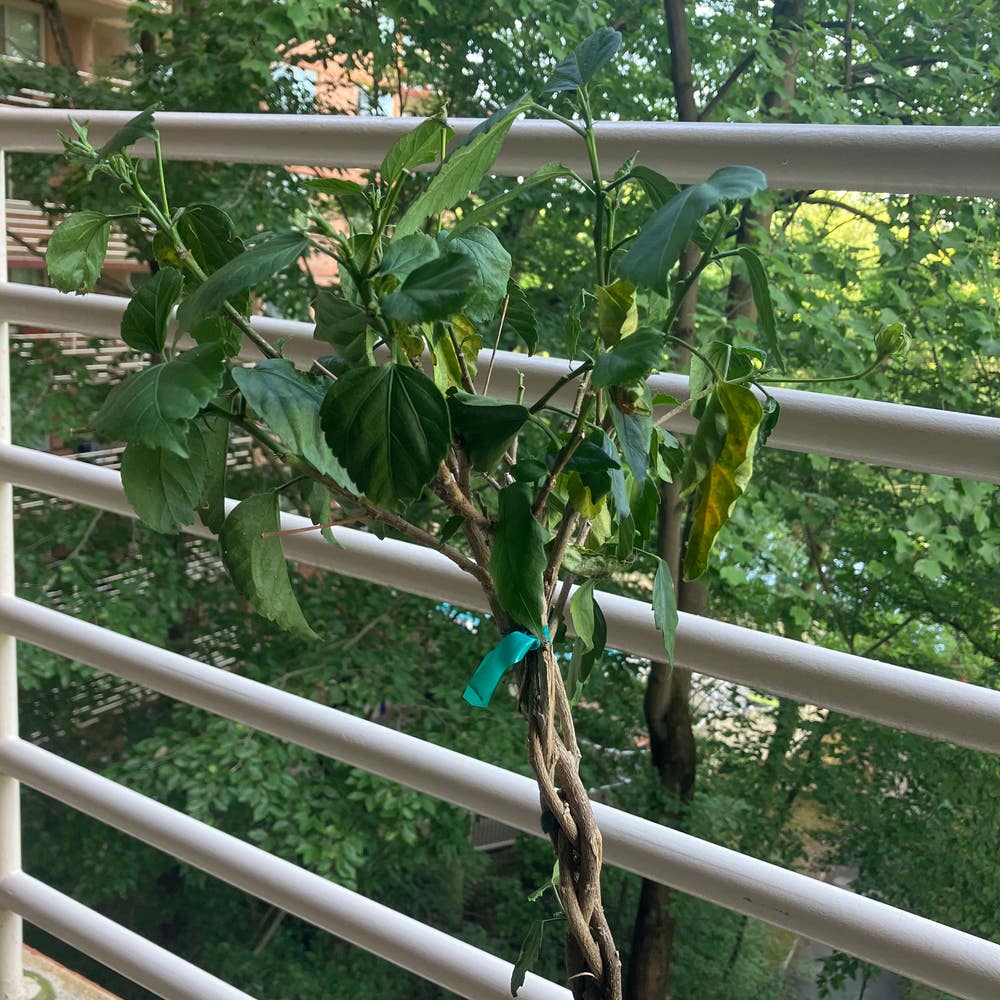
How Can You Tell If An Island Broom Is Dying?
Acmispon dendroideus
By the Greg Editorial Team
Jun 16, 2024•4 min read
This article was created with the help of AI so we can cover more plants for you. May contain errors. See one? Report it here.
- Consistent watering is key—overwatering and underwatering have distinct signs.
- Stable environment prevents stress—right light, temperature, and no pests or mold.
- Recovery tip: Trim scorched leaves and adjust soil and drainage as needed.
Spot the SOS Signals from Your Island Broom
💧 Wilting Woes: Inconsistent Watering
Island Broom plants are like Goldilocks; they prefer their water just right. Overwatering transforms leaves into a yellowish, bloated mess, while the soil feels like a swamp. On the other hand, underwatering leaves the soil bone-dry and the plant's leaves drooping with crispy brown edges.
To correct course, stick a finger into the soil up to an inch deep. If it's wet, hold off on the H2O. If it's dry, it's time to water. Aim for a consistent watering schedule, keeping the soil moist but not soaked.
☀️ Light Struggles: Too Much or Too Little
Your Island Broom's leaves can tell you a lot about its light situation. Too much sun and the leaves might crisp up; too little and the plant's growth could be as stunted as a bonsai.
To fix this, observe the light intensity and duration your plant receives. Adjust the plant's location to ensure it gets the right amount of light without getting scorched or left in the dark.
🌡️ Temperature Tantrums: Finding the Sweet Spot
Temperature stress shows up as wilting, leaf discoloration, or stunted growth. These are signs that your Island Broom isn't too happy with its current climate.
Create a stable environment by avoiding drafts, sudden temperature changes, and extreme heat or cold. Think of your plant as a guest with particular tastes—it likes its surroundings comfortable and predictable.
When Unwanted Guests Arrive: Pests and Diseases
🐛 Bug Battles: Pests on the Prowl
Your Island Broom might be under attack by sap-sucking villains like aphids, leaving behind a sticky mess. Spider mites are another common foe, weaving fine webs and causing foliage to fade. Mealybugs, those white, cottony troublemakers, can also take up residence, sapping the plant's strength.
Natural defenses include a blast of water to knock pests off or introducing predatory insects like ladybugs. For a more targeted approach, insecticidal soap or neem oil can be effective. Remember, cleanliness is your plant's armor—keep the area free of debris to deter pest invasions.
🍄 Fungal Fiascos: Mold and Root Rot
Fungus and mold love to crash the party when conditions get too damp. White fuzz on leaves or a musty smell from the soil are telltale signs. Root rot, on the other hand, turns roots into mush, a consequence of overwatering or poor drainage.
To combat these issues, improve air circulation and consider fungicides as your cleanup crew. Infected plants should be isolated immediately to prevent spreading. Always trim away affected areas with sterilized shears to keep the problem from growing. Regular inspections and cleanliness are your best bets to keep these fungal foes at bay.
Environmental Enemies: External Factors Harming Your Island Broom
🌞 Scorched Leaves: Symptoms and Solutions
Leaf scorching is your Island Broom's silent alarm—it's getting too much sun. Brown edges or patches on leaves are your cue to act. This distress can stem from direct sunlight or environmental stress like wind. Even fertilizer can burn if overused.
Move your plant to a shadier spot or use a shade cloth to diffuse intense sunlight. Gradual acclimation to sunlight helps prevent future scorching. If damage is done, trim off the scorched parts to help your plant focus on new growth.
🚰 Soil and Drainage Disasters
Soil mix and drainage are make-or-break for Island Brooms. Poor drainage turns your soil into a swamp, and the wrong soil mix can be just as disastrous. If your plant's roots are swimming rather than sipping, you've got trouble.
To fix this, ensure your soil is well-draining and aerated. If it's holding water like a sponge, mix in some perlite or sand to improve drainage. Remember, roots need oxygen too—don't let them suffocate in waterlogged soil.
⚠️ Safety First
This content is for general information and may contain errors, omissions, or outdated details. It is not medical, veterinary advice, or an endorsement of therapeutic claims.
Always consult a qualified healthcare professional before using any plant as food, medicine, or supplement.
Never eat any plant (or feed one to pets) without confirming its identity with at least two trusted sources.
If you suspect poisoning, call Poison Control (800) 222-1222, the Pet Poison Helpline (800) 213-6680, or your local emergency service immediately.
Spotted an error? Please report it here.
Ensure your Island Broom thrives, not dives 🌿, with Greg's personalized care reminders and pest prevention tips, keeping it perfectly watered and happily growing.